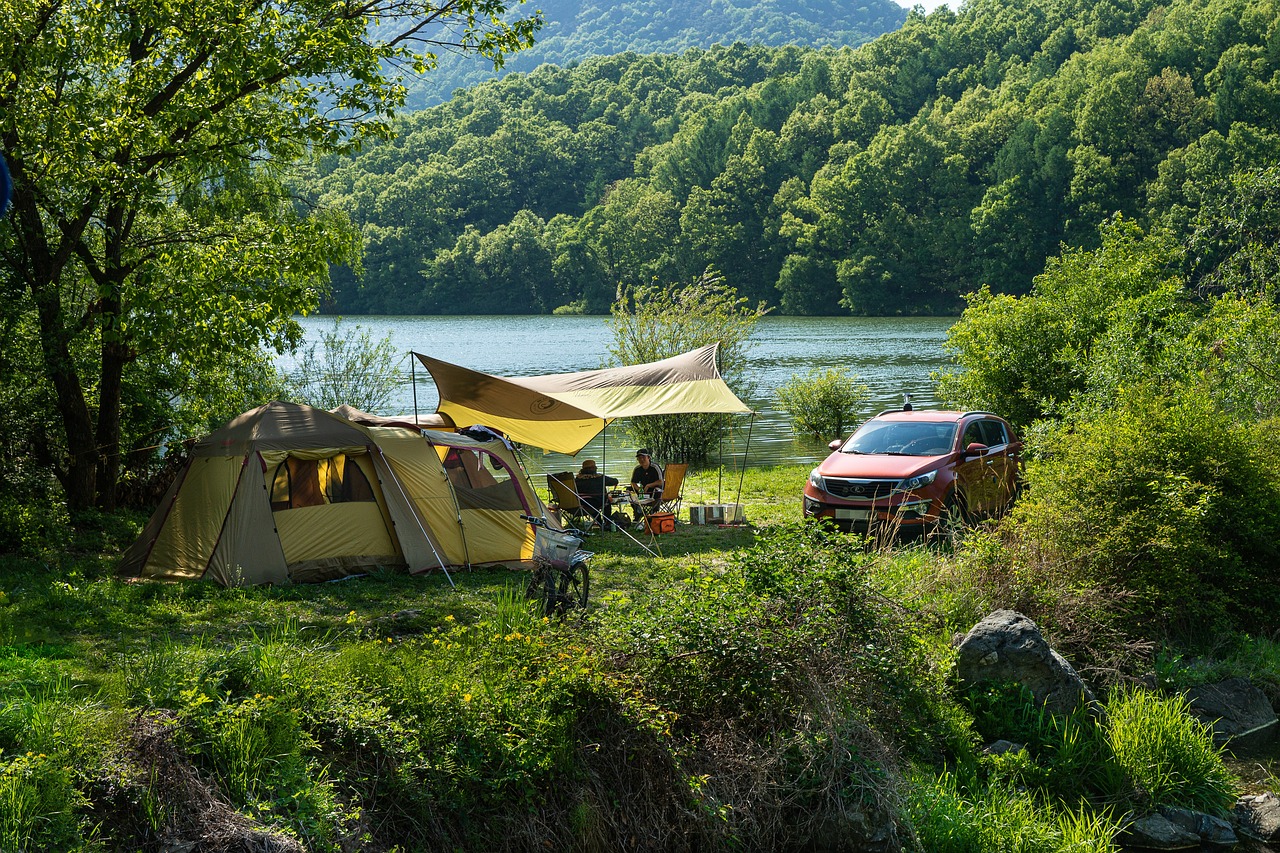
Here’s a scene I’ve lived more times than I care to admit: it’s 7 PM at the campground, the sun is setting, the air is perfect, and within about 90 seconds of sitting down outside, my kids are slapping themselves and asking when we’re going inside.
Mosquitoes are the uninvited guests that show up to every single camping trip. They don’t need an invitation. They don’t respect your carefully planned itinerary. And they certainly don’t care that you spent three hours setting up the perfect campsite.
But here’s the good news: mosquitoes are predictable. They follow patterns, they have weaknesses, and with the right preparation, you can keep them from turning your family camping trip into an all-night scratching session.
Understanding Your Enemy
Before we get into solutions, it helps to know what you’re dealing with.
Mosquitoes are attracted to three things:
- Carbon dioxide — You exhale it, they follow it. Bigger families = bigger CO2 targets.
- Body heat — Warm bodies are easier to find in the dark.
- Body odor and sweat — Lactic acid, bacteria, the works.
They’re most active during dawn and dusk, when the wind typically dies down and the air stays warm. Midday heat and direct sun tend to keep them at bay — which is why you notice them most in the evening and early morning.
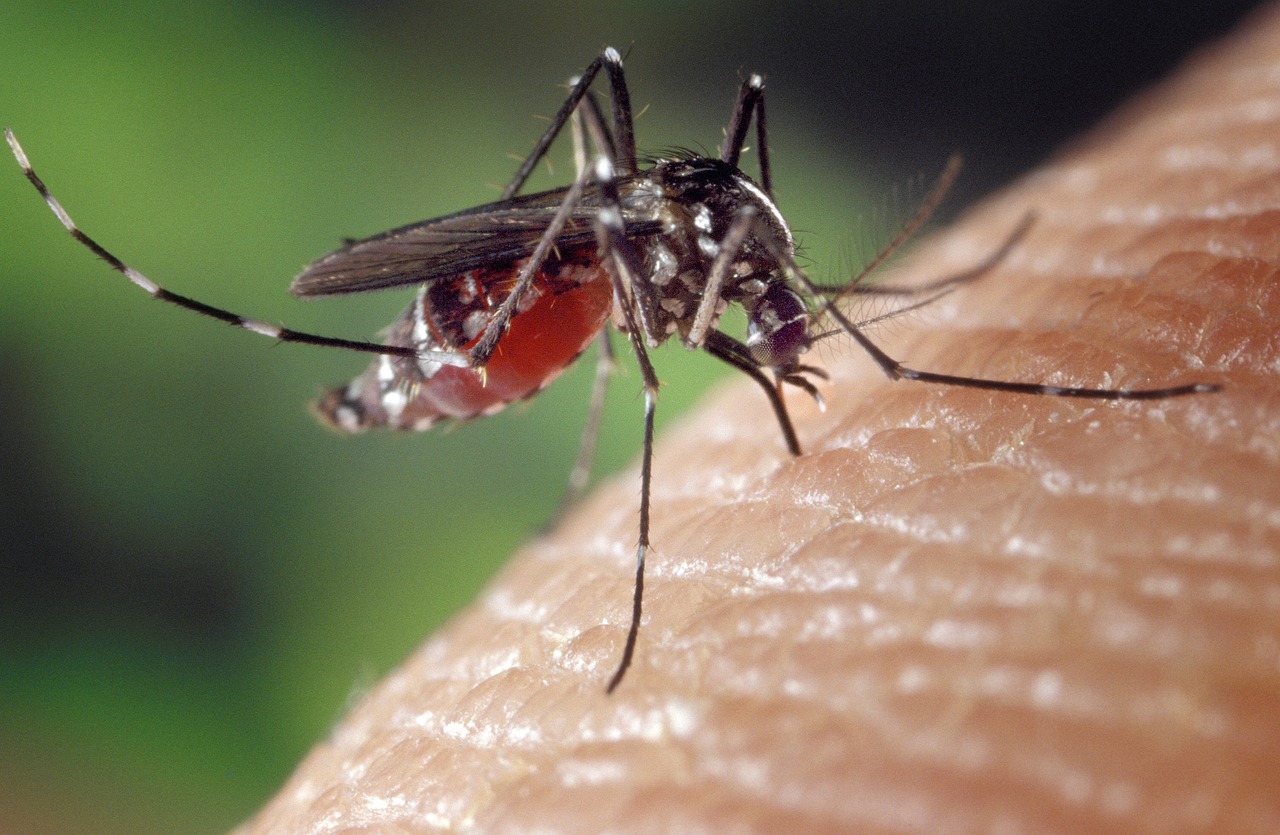
The species varies by region, but in North America, the most common nuisance species is the Aedes mosquito (the one that leaves those itchy red bumps that last for days).
The Three Layers of Mosquito Defense
The most effective mosquito strategy uses three layers. Think of it like a security system — if one layer fails, the others are still working.
Layer 1: Physical barriers — clothing, tent netting, screen houses Layer 2: Chemical repellents — sprays, lotions, treated gear Layer 3: Environmental control — site selection, timing, airflow
Here’s how each one works.
Layer 1: Physical Barriers
Clothing — Your First Line of Defense
This sounds obvious, but I’m always shocked at how many people show up to a campground in shorts and a t-shirt in July, then spend the entire evening miserable.
The strategy is simple: cover as much skin as possible.
- Long-sleeve shirts and long pants — Lightweight, breathable fabrics (synthetic athletic material, linen blends) work fine in summer. You don’t need to be hot. The goal is just to eliminate exposed skin.
- Light colors — Mosquitoes are attracted to dark colors. White, khaki, and light blue are harder for them to spot.
- Tuck your pants into your socks — I’m not kidding. This seals the one gap mosquitoes will exploit.
- A hat with a brim — Keeps them off your face and neck.
Here’s the thing about DEET-based repellents and clothing: they can damage synthetic fabrics and plastics (spandex, rayon, watch bands, phone cases). Spray repellent on your skin, not directly on your clothes. If you want treated clothing, buy the factory-treated versions — they last longer and won’t damage the fabric.
Tent Netting — Non-Negotiable
If your tent doesn’t have a no-see-um mesh (the fine mesh that stops tiny insects), and most do, you’re already halfway there. But you need to make sure it actually works:
- Check for tears before your trip. A 2mm hole is all a mosquito needs.
- Close the mesh door every single time you enter or exit. Even for “just a second.”
- Don’t let the mesh touch your skin while you sleep. Mosquitoes can bite through it if it’s pressed directly against you.
- Sleep under a separate mosquito net if you’re in an area with heavy mosquito pressure and your tent mesh isn’t great quality.
Screen House / Gazebo — For Cooking and Hanging Out
If you car camp regularly, a screen house (basically a tent frame with mesh walls and a roof) is one of the best investments you can make. It gives you a bug-free zone for cooking, eating, and hanging out in the evening.
We bought a 12x10 screen house for about $80 and it paid for itself in one trip. My kids can color, play cards, and eat snacks without turning into mosquito bait every 30 seconds.
Layer 2: Chemical Repellents
Not all repellents are created equal. Here’s what actually works, what’s overhyped, and what’s a waste of money.
DEET — The Gold Standard
Active ingredient: N,N-diethyl-meta-toluamide Concentration: 10-30% (higher = longer protection, not stronger effect) Duration: 2-6 hours depending on concentration
DEET has been studied more than any other repellent, and the science is clear: it works. A 30% DEET spray will keep mosquitoes off you for 4-6 hours in moderate conditions.
The myths about DEET (melting plastic, causing cancer, smelling terrible) are mostly exaggerated. It can damage some plastics and synthetic fabrics — don’t spray it on your watch, phone case, or spandex shirt. As for safety, CDC and EPA both confirm it’s safe when used as directed.
Best DEET products for families:
- Ben’s 100 — 100% DEET, serious protection. Overkill for casual camping but great for high-pressure areas.
- Repel 100 — Similar to Ben’s, effective and widely available.
- OFF! Deep Woods — 25% DEET, easy to find at any drugstore.
Picaridin — The DEET Alternative
Active ingredient: KBR-3023 Concentration: 10-20% Duration: 3-5 hours
Picaridin is odorless, doesn’t damage fabrics, and is just as effective as DEET in lab tests. It’s the go-to for people who hate the feel or smell of DEET. Sawyer Products makes a popular 20% picaridin spray that’s widely recommended.
My take: I use DEET for heavy mosquito areas (swamps, northern forests in summer) and picaridin for everything else. Both work. Pick based on preference.
Oil of Lemon Eucalyptus (OLE) — Natural Option
Active ingredient: PMD (para-menthane-diol) Concentration: 30-40% Duration: 2-3 hours
This is the only plant-based repellent that CDC recommends as an effective alternative to DEET. It works, but it needs to be reapplied more frequently. Also, do not use on children under 3.
Not recommended: Citronella candles, wristbands, and “all-natural” sprays with no registered active ingredients. They look nice at the campsite but don’t actually do much.
Permethrin — Treat Your Gear, Not Your Skin
Permethrin is a synthetic insecticide you spray on clothing, tent mesh, and gear. It kills mosquitoes on contact and remains effective through several washes. It’s not for skin — strictly for fabrics.
How to use:
- Spray your tent screen, screen house, and outdoor gear
- Treat your hiking socks and long pants
- Let it dry completely (2 hours) before wearing or packing
- One application lasts 2-3 weeks or 5-6 washes
This is a game-changer for car camping. Spray your screen house once at the start of the season and you’ll notice a massive difference.
Warning: Permethrin is toxic to cats and aquatic life. Don’t spray it near fish tanks or use it around cats until it’s completely dry.
Layer 3: Environmental Control
Where you camp and how you set up camp can make a huge difference.
Site Selection
- Avoid standing water — Mosquitoes breed in still water. If your campsite is next to a pond, marsh, or slow-moving creek, expect more mosquitoes.
- Elevated, windy sites — Mosquitoes are weak fliers. A campsite with consistent breeze (even 5-10 mph) will have far fewer mosquitoes than a sheltered, calm spot.
- Sun exposure — Mosquitoes prefer shade. A site with afternoon sun will be more comfortable in the evening.
Timing
- Set up camp in the afternoon — By the time you’re done, the worst of the dusk mosquito surge has already started.
- Cook and eat before dark — Get your meals done while mosquitoes are still relatively calm.
- Head inside by 8 PM — This is when mosquito activity peaks in most areas.
Airflow and Smoke
- A fan — Even a small battery-powered fan pointed at your campsite table will keep mosquitoes away. They’re weak fliers and can’t navigate through moving air.
- Campfire smoke — Smoke is a natural mosquito deterrent. A well-maintained campfire creates a smoke zone that keeps them at a distance. It’s not 100% effective, but it helps.
- Bug zappers — These work better for entertainment than actual mosquito reduction. Studies show they kill more beneficial insects than mosquitoes. Skip it.
Mosquito Repellent Devices and Gadgets
You’ve seen them at the campground store. Do any of them actually work?
| Device | Does It Work? | My Verdict |
|---|---|---|
| Mosquito coil (the incense-like coil that burns) | Moderate | Works in a small, enclosed space. Smoky, needs wind protection. Good for screen houses. |
| Thermacell portable repeller | Yes | This one actually works. It heats a repellent mat that creates a 15-foot zone of protection. Battery-powered, no flame. Expensive but worth it for families. |
| Bug zapper light | Mostly no | Kills moths and harmless insects. Not effective against mosquitoes. |
| Ultrasonic repeller (phone app or device) | No | Every study has debunked these. Save your money. |
| Citronella candles | Mild | Creates a small smoke/repellent zone within a few feet. Better than nothing but overrated. |
| Mosquito magnet trap | Moderate | The propane-powered traps that attract and kill mosquitoes. Expensive ($200-500) and effectiveness varies. Not practical for casual campers. |
My recommendation: If you camp more than 3-4 times a year, buy a Thermacell. It’s the only electronic repellent that actually delivers on its promise. For everything else, stick with DEET/picaridin and physical barriers.
A Realistic Evening Routine
Here’s what my family does on a typical camping evening, mosquito edition:
5:00 PM — Cook dinner. We use the screen house for prep if mosquitoes are active. Apply repellent to kids before they start running around.
6:30 PM — Eat, hang out, tell stories. Screen house stays up. Mosquito coils going on the table if it’s a bad night.
7:30 PM — Kids brush teeth, get into sleeping bags. I do a final walk-around the tent to make sure no crumbs are outside. Close the tent mesh. Apply one more round of repellent on any exposed skin before bed (elbows sticking out, etc.).
8:00 PM — Adults sit by the fire for 30-45 minutes. Thermacell running on the picnic table. Bear spray (and now mosquito spray) within reach.
8:45 PM — Call it a night. Mosquitoes are at peak activity, and we’re done fighting them.
The key is not waiting until you’re being eaten alive to take action. By the time you feel that first bite, they’ve already found you. Prevention is always easier than reaction.
What About Kids?
Kids are mosquito magnets — they’re smaller, they move more, and they have no idea they’re being eaten alive until there are bites all over their arms.
For children:
- Dress them in long sleeves and pants even if it feels too warm. They’ll adjust.
- Use picaridin (10-20%) or DEET (10-15%) — lower concentrations are fine for kids over 2 months old. Apply to your own hands first, then spread on their skin. Avoid eyes, mouth, and hands (they’ll put their hands in their mouth).
- No OLE/citronella on children under 3 — stick with DEET or picaridin for the little ones.
- Mosquito net over the stroller or carrier if you have toddlers.
- Check them before bed — mosquitoes can get into sleeping bags. A quick once-over before lights-out saves a rough night.
Common Mistakes I See
I’ve watched a lot of families fight mosquitoes badly. Here’s what not to do:
❌ Skipping repellent because “it’s only a few mosquitoes” — One bite is a few mosquitoes. Fifty bites is a bad night. Apply it before you need it.
❌ Wearing perfume or scented lotions — Floral and sweet scents attract mosquitoes. Save the nice-smelling stuff for home.
❌ Using a phone flashlight to find your way around camp — Phone lights attract mosquitoes. Use a headlamp with a red light setting if you have one. Red light is less attractive to insects.
❌ Sleeping with the tent door open — Unless you have zero mosquitoes, keep the mesh closed. The fresh air isn’t worth the bites.
❌ Relying on citronella alone — It helps a little. It doesn’t solve the problem.
Packing List: Mosquito Defense
Here’s what goes in our “bug kit” for every camping trip:
- DEET or picaridin spray (2 bottles — one for the car, one for the tent)
- Permethrin spray (pre-treat gear before the trip)
- Long-sleeve shirts and long pants for everyone
- Extra pair of socks (ticks and mosquitoes both like ankles)
- Antihistamine cream (for the bites that get through anyway)
- Thermacell (if we have it) + refill mats
- Mosquito coils (1-2 packs)
- Screen house (if car camping)
Final Thoughts
Mosquitoes aren’t going anywhere, and they’re not going to be polite about it. But they’re also not invincible. With the right layers of defense — cover your skin, use proven repellents, and set up your campsite smart — you can keep them from ruining your trip.
The families I see having the worst mosquito experiences are the ones who show up unprepared and try to react once the biting starts. The ones who plan ahead spend their evenings watching the sunset instead of slapping their own legs.
Don’t be the family running back to the car at 7:30 PM with kids who look like they’ve been through a food fight. Plan ahead, spray up, and enjoy the outdoors.
Happy camping — mosquito-free. 🏕️🦟
Protect your family with the best mosquito repellents and camping gear. Check out top-rated options on Amazon.