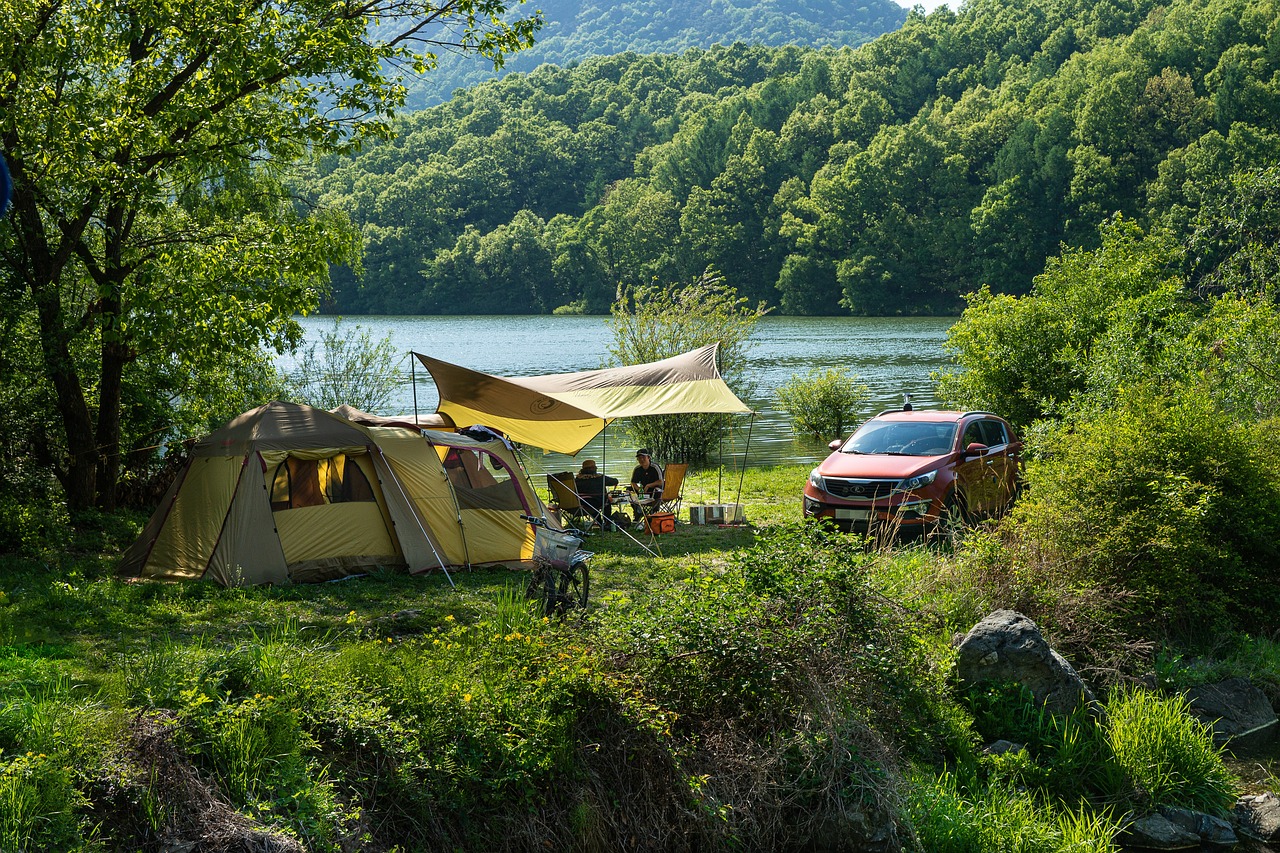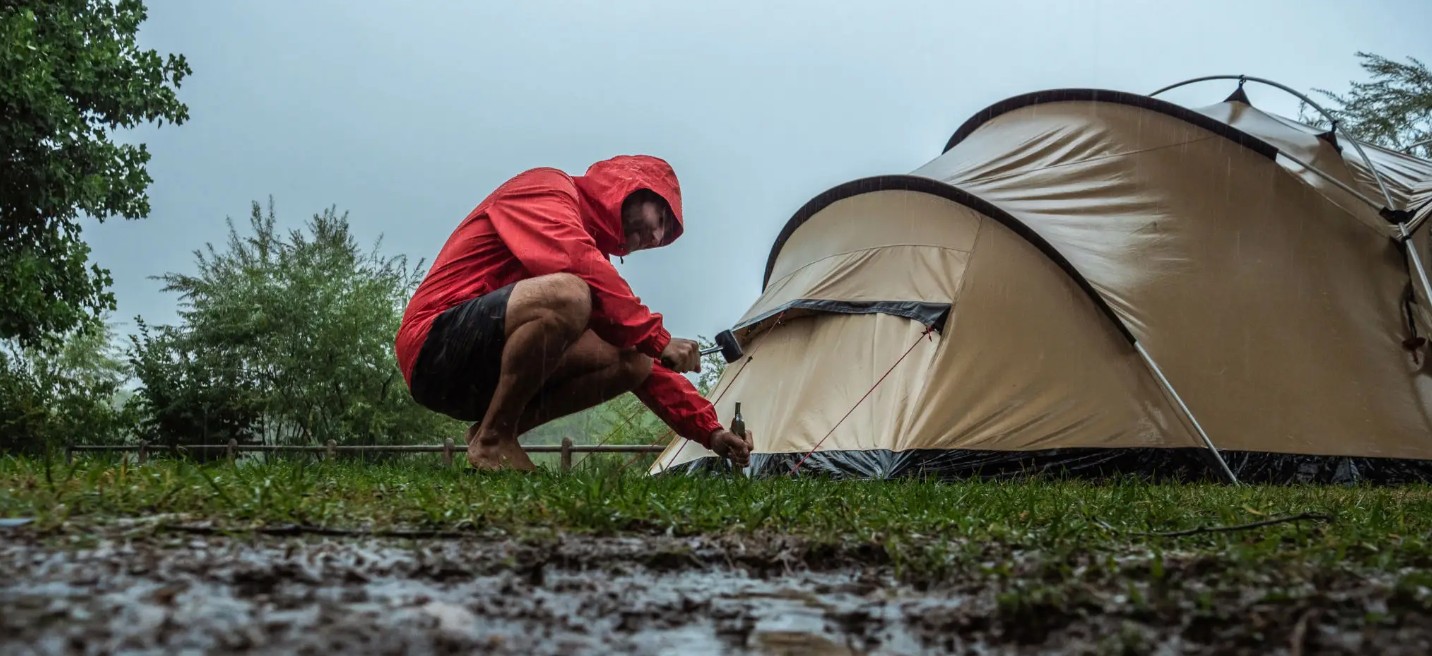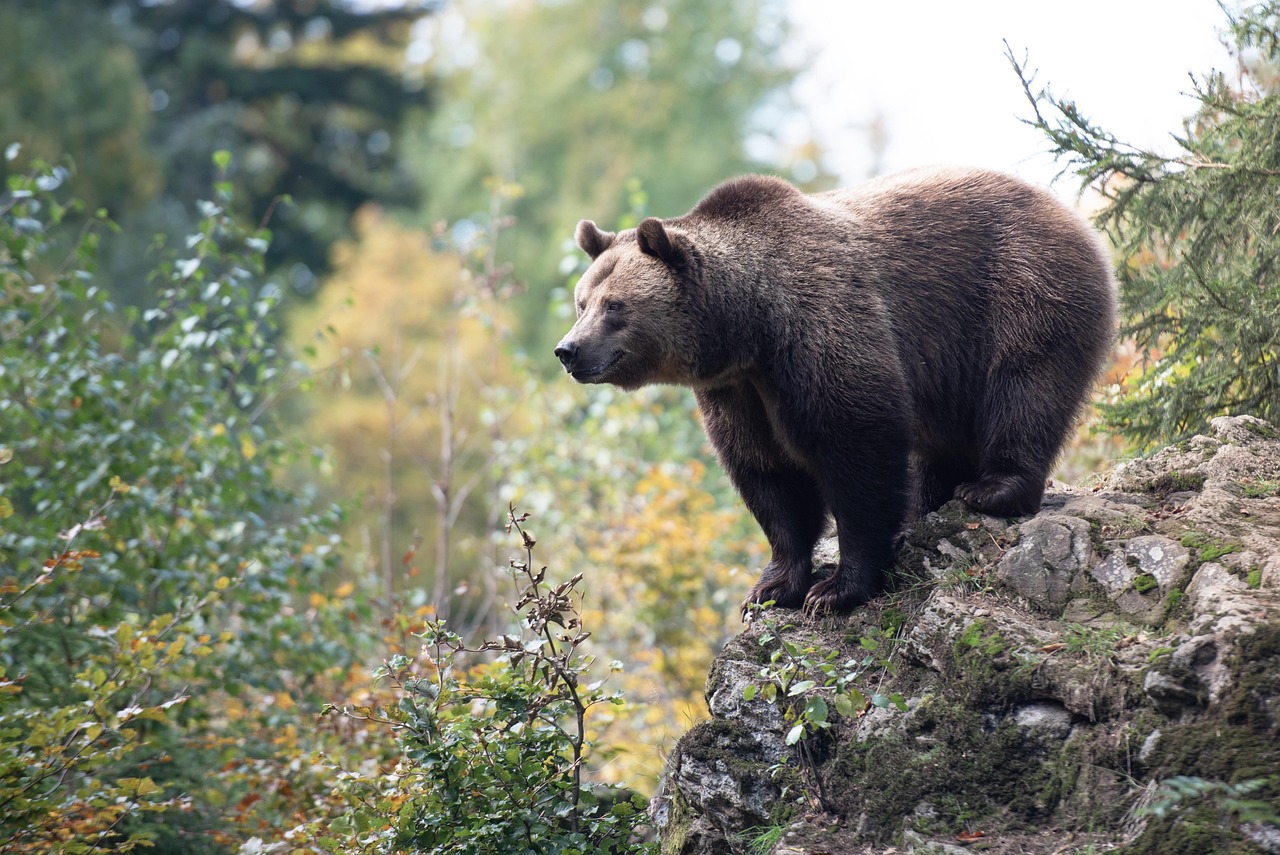
I’ve been camping for over a decade. I’ve camped in 30+ state and national parks across the US. I’ve got three kids. And I’ve had exactly one bear encounter that made my heart rate spike.
It was in Montana’s Glacier National Park. 2:17 AM. I was wide awake for no apparent reason — that primal parent radar that somehow knows when something is off. Then I heard it: a huff. Not a snort, not a grunt. A deliberate, airy huff, like someone sighing loudly three feet from my face.
I sat up. The tent fabric was moving. Not wind — something was brushing against it. I fumbled for my headlamp, clicked it on, and shined it at the wall. Two black shapes were visible through the fabric. Ears. Snout. Eyes that caught the light like green marbles.
I didn’t scream. I didn’t grab my pocket knife. I whispered the only thing that matters in that moment:
“Hey bear. Hey bear. Hey bear.”
And then I waited.
First Things First: How Scared Should You Be?
Let’s be real. Bear attacks make the news because they’re rare and dramatic — exactly the combination that gets clicks. The actual numbers tell a calmer story:
- Black bears (the ones most campers encounter) have caused roughly 63 fatal attacks in North America since 1900 — about one every two years.
- You’re far more likely to be struck by lightning while camping than mauled by a bear.
- Grizzly bears (more aggressive, limited range) are responsible for the majority of fatal attacks, but they only live in the Northern Rockies, Alaska, and parts of Canada.
This isn’t to say you should ignore the risk. You should prepare for it the same way you prepare for a flat tire on a remote road — not because it’s likely, but because the consequences of being caught off guard are severe.
What Actually Happens When a Bear Shows Up
Bears aren’t horror movie monsters. They’re curious, food-driven, and generally want nothing to do with you. Most bear “encounters” are actually bear investigations — they smell something interesting and come check it out.
Here’s the typical sequence:
- Investigation phase — Bear is sniffing around your camp, curious about food smells
- Huffing/snorting — Bear is agitated or nervous. This is your warning sign.
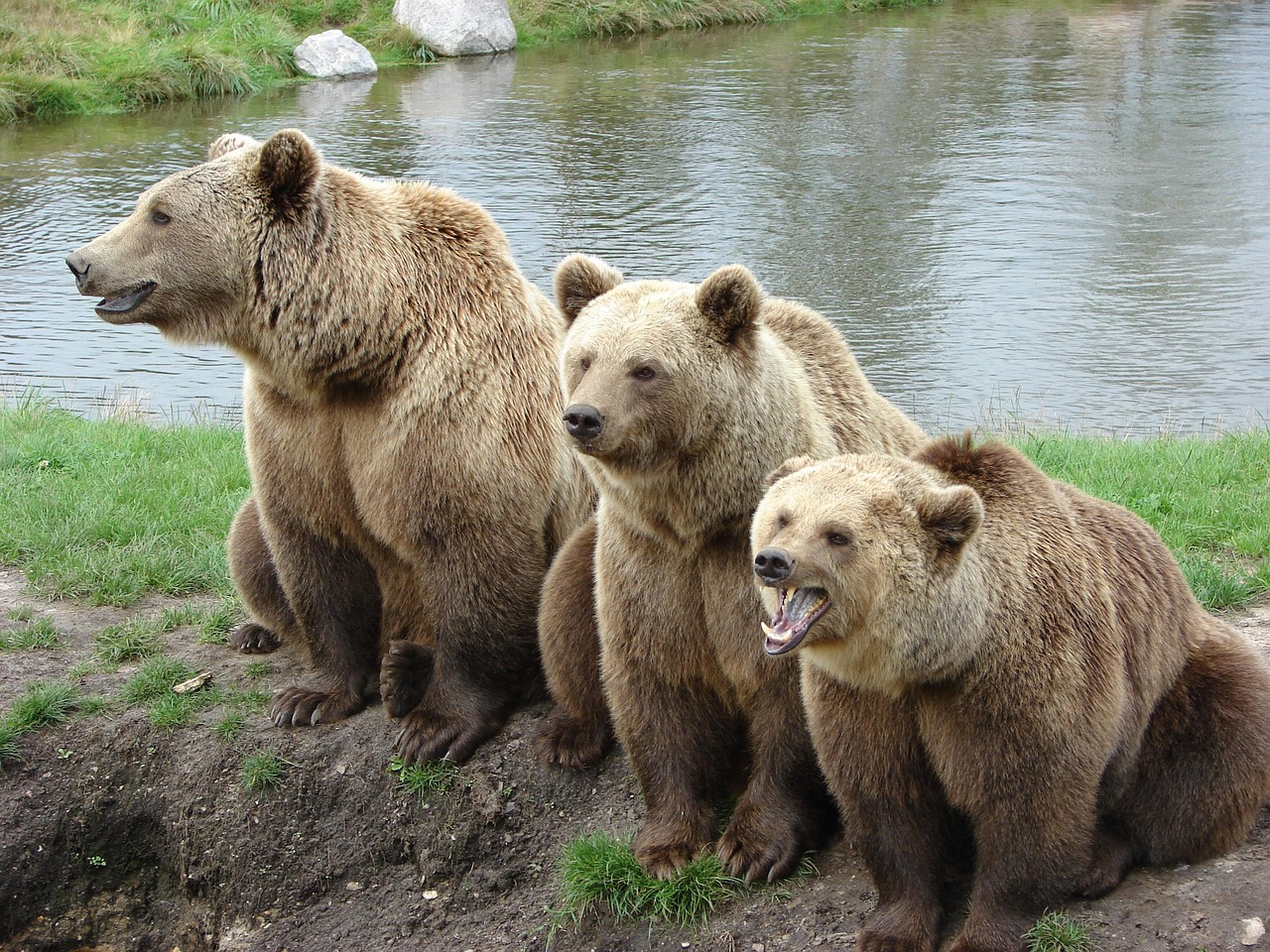
- Yawning (grizzly only) — A deliberate yawn with lots of teeth showing = “back off, I’m serious”
- Popping jaws — Clicking sound made by snapping the tongue against the roof of the mouth = escalating agitation
- Bluff charge — Bear charges and stops short. Do not run.
- Contact — Actual attack (rare, usually defensive or predatory)
Understanding these stages changes everything. A bear that’s just curious is very different from a bear that’s cornered or defending cubs.
What to Do If a Bear Is Outside Your Tent
This is the scenario nobody wants but everyone should know. Here’s the step-by-step, no panic:
1. Stay in the Tent
I mean it. Do not leave the tent to “scare it off.” A tent fabric offers zero protection against a determined bear, but leaving the tent puts you at ground level with no barrier between you and 400+ pounds of muscle.
If you have a tentmate, whisper to wake them. Keep kids close and quiet — crying or screaming can escalate the situation.
2. Talk in a Low, Calm Voice
Say something. Your voice tells the bear there’s a human in here, not another animal. Keep it low and monotone:
“Hey bear. Go away bear.”
Don’t whisper — you want the bear to hear you. Don’t scream — you want the bear to understand this isn’t a threat and also isn’t prey.
3. Make Noise If the Bear Doesn’t Leave
If talking doesn’t work, escalate. Bang pots, blow an air horn, shake the tent poles. Most bears will bolt at sudden, loud noise. The goal is unpleasant surprise, not provocation.
4. Have Bear Spray Ready
This is non-negotiable. If a bear does make contact with your tent, bear spray is your last line of defense. Keep it within reach — clipped to your sleeping bag, tucked into your pillowcase, or right next to your head.
Critical bear spray rules:
- Must be EPA-approved (most outdoor store brands are)
- Shake before use, remove safety clip
- Spray when bear is 30-60 feet away, in a zigzag pattern downward
- Do not spray directly into wind — you’ll blind yourself
5. If the Bear Enters the Tent — Fight Back
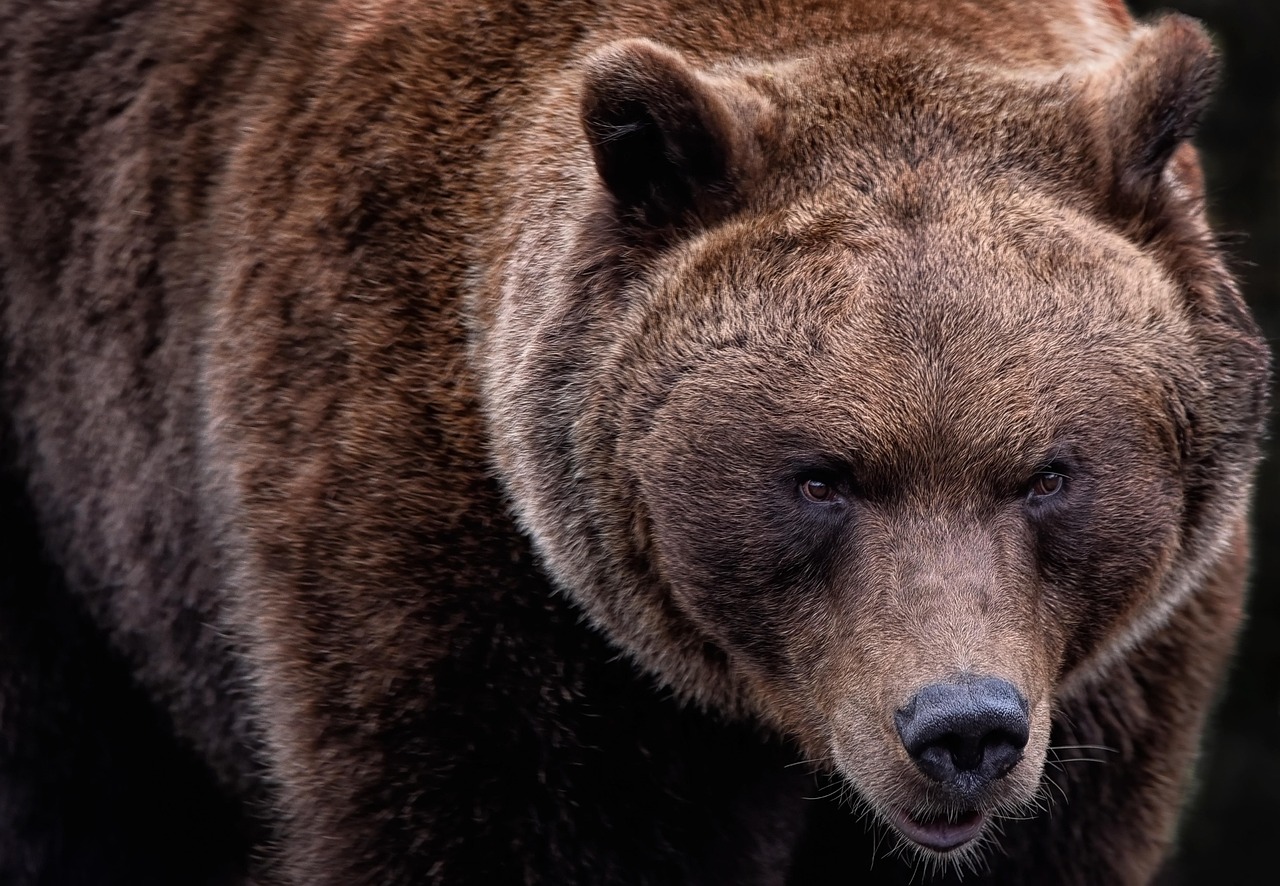
This is the nightmare scenario. If a bear actually comes through the tent fabric, this is no longer a “deter” situation — it’s a predatory encounter.
- Use anything as a weapon: trekking poles, camp stove, heavy water bottle, pocket knife
- Aim for the face, eyes, and nose — these are the most sensitive areas
- Make loud, aggressive noises
- Do not play dead. Play dead works for defensive attacks (momma bear protecting cubs). A bear that enters your tent is being predatory, and playing dead makes you easier to eat.
How to Prevent Bear Encounters in the First Place
Prevention is 90% of bear safety. Here’s what experienced campers actually do:
Cook and Eat Away From Your Tent
This is the single most important rule. Cook at least 100 yards (90 meters) downwind from where you sleep. Bears follow food smells. If you cook next to your tent, you’re essentially leaving a dinner bell ringing all night.
If you’re car camping with a kitchen setup:
- Park your car between the cooking area and sleeping area (bears are less likely to approach vehicles)
- Keep all food preparation in one zone, sleeping in another
Store Food Properly
Never keep food, trash, or scented items (toothpaste, deodorant, chapstick) in your tent. Bears can smell a gummy bear from over a mile away.
Use one of these methods:
| Method | How It Works | Best For | Cost |
|---|---|---|---|
| Bear canister | Hard plastic container that bears can’t open | Backcountry, all bear country | $60-90 |
| Bear bag | Hang food 10+ feet high, 4+ feet from trunk | Trees available | $20-40 (rope + bag) |
| Bear box | Metal lockers at developed campgrounds | Car camping at established sites | Free |
| Bear vault | Lockable hard case, car-safe | Car camping, bear country roads | $50-100 |
Keep Your Camp Clean
This sounds obvious, but you’d be shocked at how many people leave crumbs, dirty dishes, or half-eaten snacks outside their tent. A single granola bar wrapper can attract a bear from hundreds of yards away.
- Wash dishes immediately after eating
- Wipe down tables and cooking surfaces
- Pack out all trash — even biodegradable items like fruit peels (bears love them)
- Change clothes before bed if you cooked in them
Check Campground Bear Activity
Before you set up camp, check with the ranger station. Most parks track bear sightings and closures. If a particular area has been closed due to bear activity, don’t be the hero who “needs that specific site.”
Bear Safety Gear: What’s Worth Buying
You don’t need a tactical vest full of gadgets. Here’s what actually matters:
Bear Spray — Buy This First
Cost: $35-45
If you only buy one thing, make it this. Studies show bear spray is over 90% effective at stopping aggressive bear behavior. Keep it on your belt or in a side pocket of your tent — not buried in your pack.
Brands to trust: Counter Assault, UDAP, Sabre. Anything with an EPA registration number on the can.
Bear Canister — If You’re Backcountry Camping
Cost: $60-90 ( Garcia, BearVault are the standards)
Required in many national parks (Yosemite, Sequoia, etc.) and the smart move anywhere with grizzlies. Bears have figured out most hanging techniques. A canister they literally cannot open is the only guarantee.
Bear-Resistant Cooler — For Car Camping
Cost: $200-500 ( Yeti Tundra, RTIC)
If you car camp in bear country regularly, a certified bear-resistant cooler (IGBC-certified) is worth the investment. Regular coolers can be opened by determined bears — I’ve seen the aftermath. It’s not pretty.
Bear Horn / Air Horn — Cheap and Effective
Cost: $10-15
A simple air horn can scare off a curious bear at a distance. Keep one by your tent door and one at the cooking station.
Trekking Poles — Dual Purpose
Cost: $50-150
Good for hiking, and in a bear encounter, they give you reach without putting your hands near the animal. Two poles make you look bigger and give you leverage.
Grizzly vs. Black Bear: Yes, It Matters
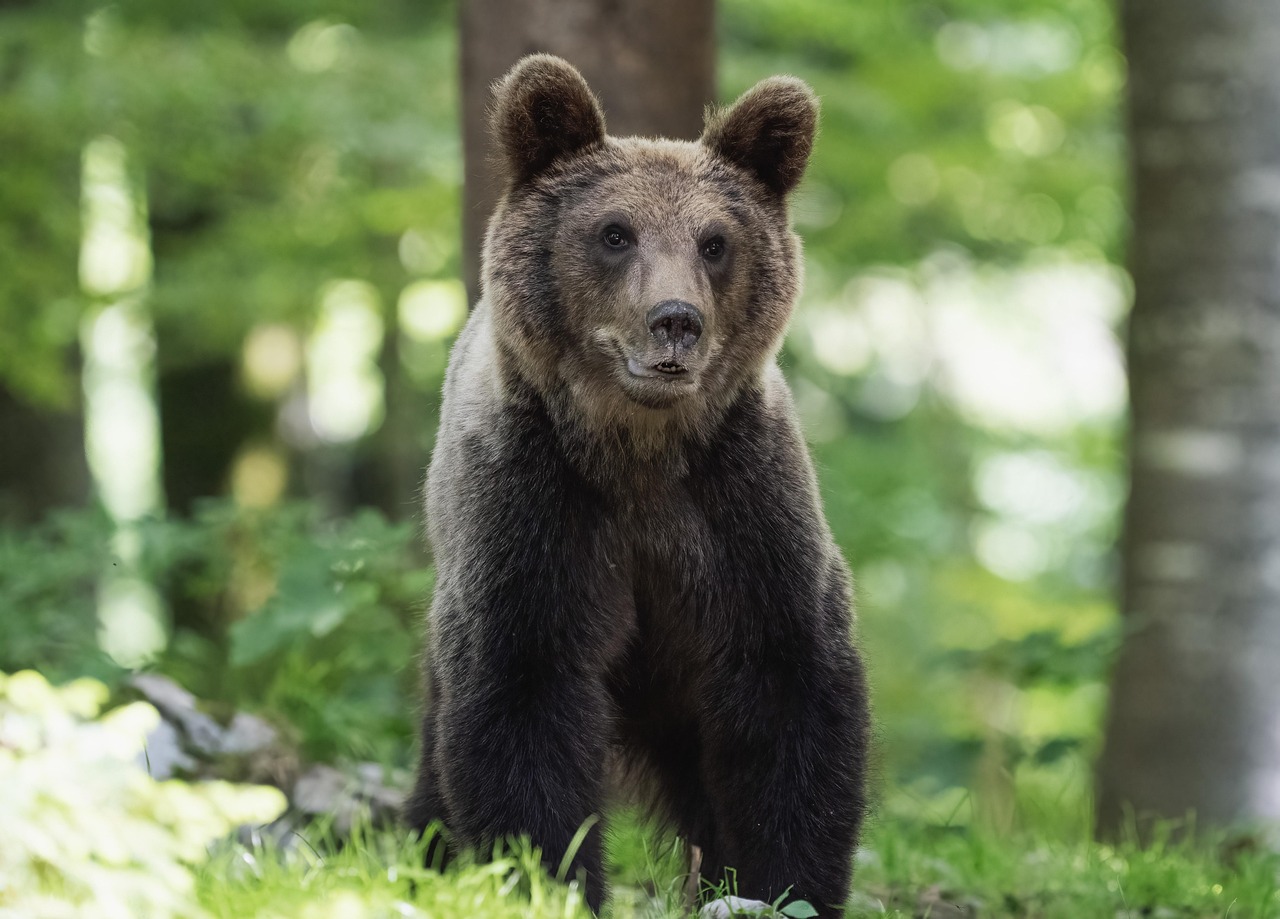
Not all bears are the same. Here’s what you need to know:
Black Bear (Most Common)
- Smaller, with a straight facial profile and no shoulder hump
- Usually flee when threatened — running is the worst thing you can do, because they’ll chase
- Tree-climbing (if you can reach a tree, climb it — but this is rarely practical)
- Response: Stand your ground, be loud, use bear spray
Grizzly Bear
- Larger, with a prominent shoulder hump and dished face
- More defensive — if cubs are nearby, they will attack
- Generally won’t chase if you stand your ground
- Response: Stand your ground, speak calmly, back away slowly, use bear spray if they charge
The most important distinction: if a grizzly charges, stand your ground and deploy bear spray. If a black bear is acting aggressively (rare), fight back aggressively.
What NOT to Do
I’ve read enough forums to know there’s a lot of bad advice out there. Here’s what to skip:
❌ “Play dead immediately” — Only do this if a grizzly has already made contact and is attacking defensively. For a black bear or a bear investigating your tent, this is terrible advice.
❌ “Run away” — Bears can sprint 35+ mph. Usain Bolt runs 27.9 mph. You will lose. Running also triggers a chase response.
❌ “Climb a tree” — Black bears climb. Grizzlies can still reach you if the tree isn’t tall enough. And you’re probably wearing socks and carrying a flashlight, not scaling gear.
❌ “Make yourself small and quiet” — You want to look BIG and sound HUMAN. Small and quiet sounds like prey.
❌ “Carry a gun instead of bear spray” — Bear spray has a better success rate and is far easier to use under stress. Guns require precision at close range with an animal that’s moving toward you at 35 mph. That’s not happening.
Bear Country Camping Checklist
Print this. Put it on your fridge. Actually use it.
Before You Go:
- Buy and test your bear spray (check expiration date)
- Get a bear canister or plan your hanging method
- Research bear activity in your destination
- Pack a dedicated “smellables” bag (toothpaste, deodorant, lotions, trash)
- Buy bear-resistant trash bags (or just pack everything out)
At Camp:
- Set up tent at least 100 yards from cooking area
- Store all food and smellables in bear-proof container
- Cook downwind from your sleeping area
- Keep bear spray within reach of your sleeping bag
- Lock your car doors (bears can open unlocked cars looking for food)
Before Bed:
- Double-check no food scraps around the tent
- Change out of clothes you cooked in
- Put bear spray next to your head
- Tell kids what to do in an emergency (stay in tent, be quiet)
Final Thoughts
Here’s the truth about bears and camping: respect them, don’t fear them. Bears are incredible animals and an important part of the ecosystem. The goal isn’t to avoid bears at all costs — it’s to camp in a way that keeps both you and the bears safe.
The most important thing you can do is not be the camper who makes bears associate humans with food. A bear that learns humans = snacks is a bear that gets euthanized. Every fed bear is a dead bear. That’s a saying in the ranger community, and it’s 100% true.
Take the precautions. Buy the spray. Follow the rules. And then enjoy the woods — because the chance of a serious bear encounter is about the same as winning a small lottery. Doesn’t mean you shouldn’t buy a ticket, just means you shouldn’t let it keep you from playing the game.
Happy camping — and keep that bear spray close. 🏕️🐻
Looking for bear spray, bear canisters, or other camping safety gear? Check out the latest options and verified reviews on Amazon.