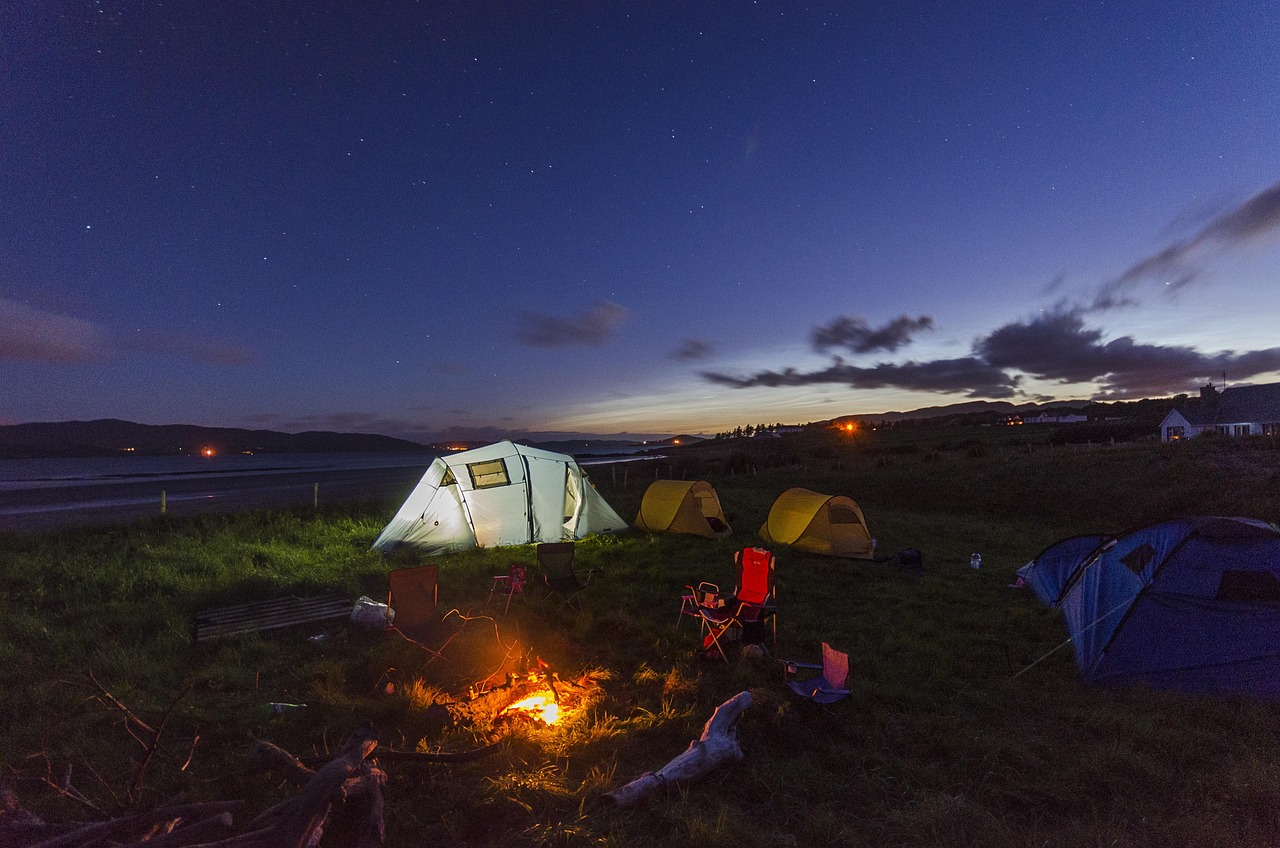
After 10+ years of camping with three kids, I’ve learned something the hard way: where you camp matters just as much as what gear you bring. Show up to a poorly chosen site with a $500 tent and you’re still in for a long weekend.
This guide will walk you through my framework for picking a campground — starting with why I almost always recommend developed, paid sites for families, then covering what you actually need to know if you want to try backcountry camping.
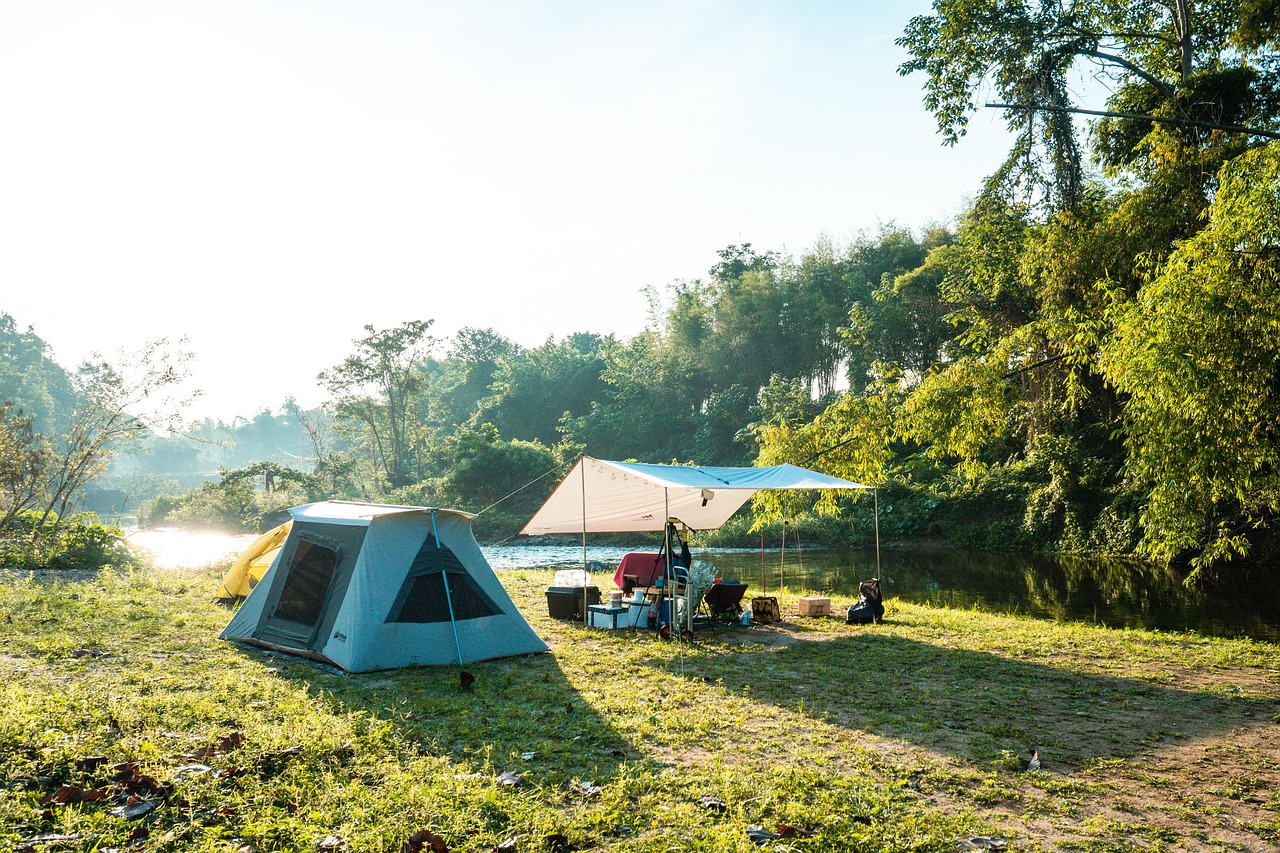
Why I Almost Always Start With a Developed Campground
Let me be clear: I love backcountry camping. There’s nothing like sleeping miles from the nearest road. But if you’re bringing kids — especially young ones — a developed campground with amenities is the smart play for your first few trips.
Here’s why:
- Clean bathrooms and hot showers are not luxuries when you’ve got a kid who just ate an entire bag of chips and needs a wash before bed
- Established fire rings mean you’re not starting a fire from scratch in questionable conditions
- Neighbors nearby = someone within earshot if something goes wrong at 2am
- Running water means you don’t have to ration your drinking water like you’re crossing a desert
Developed campgrounds aren’t “cheating.” They’re the training wheels that let your family build confidence without building resentment.
What to Look for in a Good Family Campground
Not all developed campgrounds are created equal. After years of reviewing them, here’s my checklist:
Must-Have Amenities
Potable water on-site — Don’t assume. Call ahead. I once arrived at a “developed” campground only to discover their well had gone dry the week before. Carrying water for four people for three days is… a character-building experience nobody wants.
Flush toilets and hot showers — Vault toilets have their place, but that place is not with elementary-age kids who have opinions about bathroom cleanliness.
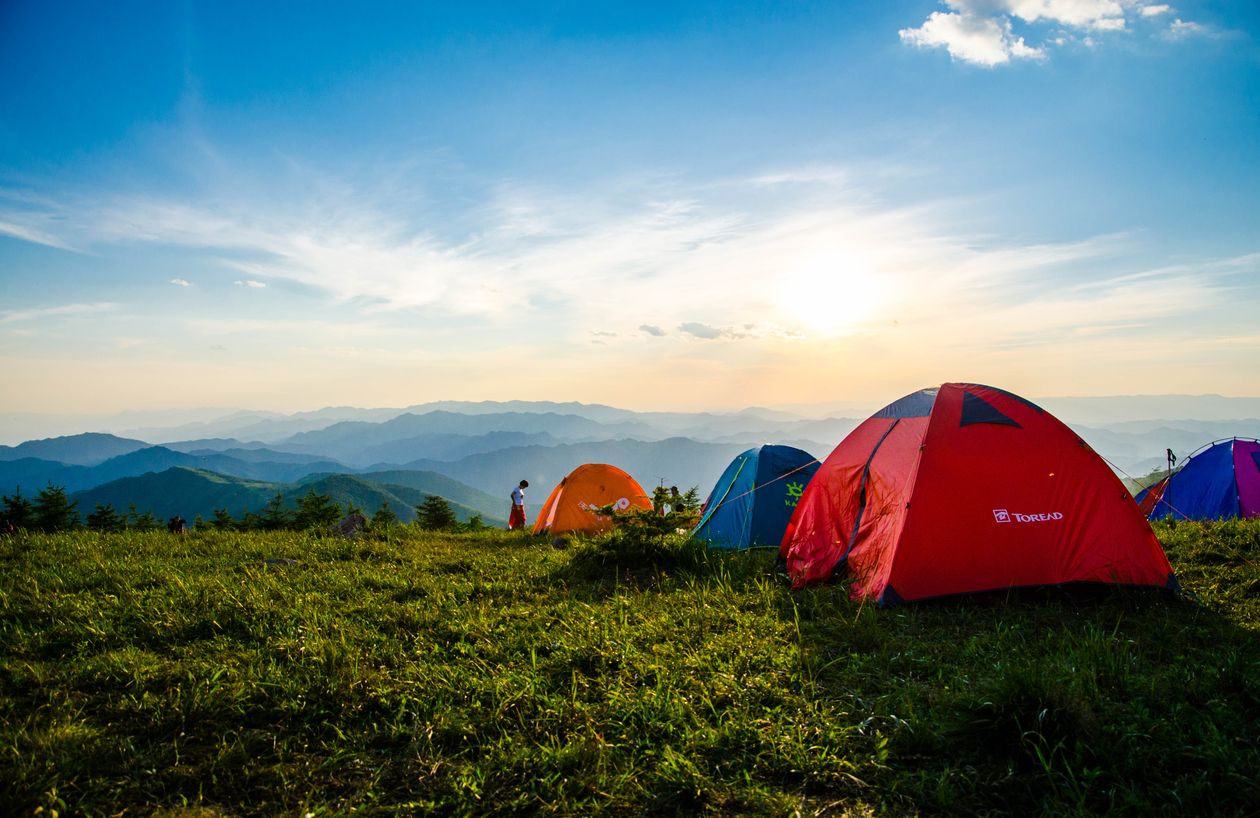
Trash collection and recycling — If they don’t pick up trash, you’re hauling everything back out. Some of our best campgrounds had this and it made life dramatically easier.
Cell service — This sounds counterintuitive for camping, but having signal for emergency calls, weather updates, and the occasional “yes, we’re all alive” text to Grandma is genuinely useful.
Designated tent sites with level ground — This is non-negotiable. A sloped tent site means sleeping at an angle, sliding sleeping bags, and a disproportionate number of arguments.
Nice-to-Have Amenities
Electricity hookups — Great if you’re running a CPAP machine, charging multiple devices, or running a small cooler without draining your car battery.
Swimming area — Whether it’s a pool, beach, or splash pad, water activities are the #1 thing that keeps kids happy between hikes.
Playground or open field — Sometimes the best camping activity is just running around while you sit in a folding chair and pretend you’re not watching.
Camp store or general store — Forgot coffee? Ice melted? The camp store is your safety net.
Firewood available on-site — Buying local firewood prevents spreading invasive insects (you’d be surprised) and saves you from hauling it cross-country.
Red Flags: When to Walk Away
I’ve arrived at campgrounds, taken one look around, and gotten right back in the car. Here’s what sends me running:
- Trash overflowing near sites — If they can’t manage the garbage, what else aren’t they maintaining?
- No bathroom signage or locked facilities — Campgrounds that hide their bathroom situation are hiding something
- “Primitive” sites dangerously close to main roads — The noise nullifies any illusion of wilderness
- Dead trees or large limbs over campsites — Look up before you set up. A friend had a tree come down on his tent during a windstorm. No one was hurt, but the tent never recovered.
- Water that looks or smells off — Trust your instincts. Drink bottled water that day.
- No clear check-in process or contact info — If you can’t reach someone, you can’t solve problems
How to Research Campgrounds Before You Go
Good research is the difference between a great trip and a story you’ll be telling at therapy sessions for years.
Use Multiple Sources
Recreation.gov — The federal government’s reservation system for national forests, BLM land, and national parks. Book 6 months in advance for popular parks, but the interface at least tells you exactly what’s available.
State park websites — Often overlooked, state parks frequently have excellent campgrounds at lower prices with fewer crowds.
Campendium and The Dyrt — Crowdsourced reviews with photos from real campers. Read the 1-star reviews carefully — they’re often more informative than the 5-star ones.
Google Maps satellite view — This is my secret weapon. Drop into satellite mode and actually look at the campground layout. You can spot river access, tree coverage, site spacing, and whether the “lakefront site” is actually 50 yards from the water.
Call Ahead
The website might say “hot water available.” The person on the phone might tell you the water heater has been broken for two weeks. Always call.
Backcountry Camping: What You Actually Need to Know
Once your family has some developed-campground trips under your belts, backcountry camping (no amenities, no neighbors) can be an incredible experience. But it requires more preparation.
Start With Dispersed Camping on Public Land
If you’re new to backcountry, start with dispersed camping on BLM or national forest land. It’s free, there are usually no reservations needed, and you can bail to a motel if things go sideways.
Rules vary by location, but the basics are usually:
- Camp at least 100 feet from any water source
- Pack out ALL trash (including toilet paper in many areas)
- Stay no more than 14 days in the same spot
- Follow Leave No Trace principles
Backcountry Requires More Gear and More Skill
Without a water source, you’re carrying everything you need. That means:
- Water filtration or purification system (filter, tablets, or UV purifier)
- All food in bear-resistant containers or hung from trees (yes, even in areas without known bears)
- Adequate first-aid kit — You’re your own emergency response team
- Navigation tools — Physical map and compass, not just your phone
- Warm layers and rain gear — No bail-out option if weather turns
Pick Your Spot Carefully
For backcountry sites, look for:
- Flat, well-drained ground — Avoid low-lying areas, dry creek beds, and areas under dead trees
- Shelter from wind — Natural windbreaks make a huge difference in comfort
- Access to water within a short walk — Carrying water ¼ mile gets old fast
- Legal camping area — Check the map. “Looks like nobody’s here” doesn’t mean you can camp there
Know When to Skip It
I skipped backcountry camping with my youngest until she was 7. Not because she couldn’t handle it, but because I didn’t want to spend the trip managing meltdowns and missed meals instead of enjoying the experience. There’s no trophy for “earned” camping. Pick the right experience for your family’s current stage.
How to Find Hidden Gem Campgrounds
Some of my favorite campgrounds don’t show up on the first page of Google. Here’s how to find them:
Local ranger stations — Call or stop by. Rangers know which sites are underrated, which ones flood in spring, and which ones the locals hog for themselves.
Facebook camping groups — Search for “camping [your state]” and join. People share hidden finds, recent trip reports, and tips you won’t find anywhere else.
Roadside pull-offs with good signage — Some of the best, cheapest campsites are literally just wide spots along forest service roads with a vault toilet and a fire ring. Look for the green-and-brown Forest Service signs.
Ask other campers — When you’re at a campground, ask people around you where they’ve been. Campers love recommending their favorite spots.
Watch: How to Set Up the Perfect Campsite
I found this video super helpful for the actual setup side of things — once you’ve picked your spot, here’s how to make the most of it:
This covers tent placement, kitchen setup, bear bag hanging, and other setup essentials that are way easier to watch than to read about.
Final Thoughts
The best campground for your family isn’t the one with the most Instagram photos — it’s the one where your kids fall asleep by the campfire, nobody has to use a questionable outhouse at midnight, and you actually get to enjoy the trip instead of managing disasters.
Start with a solid developed campground. Build from there. And remember: there’s no shame in a campground with WiFi.