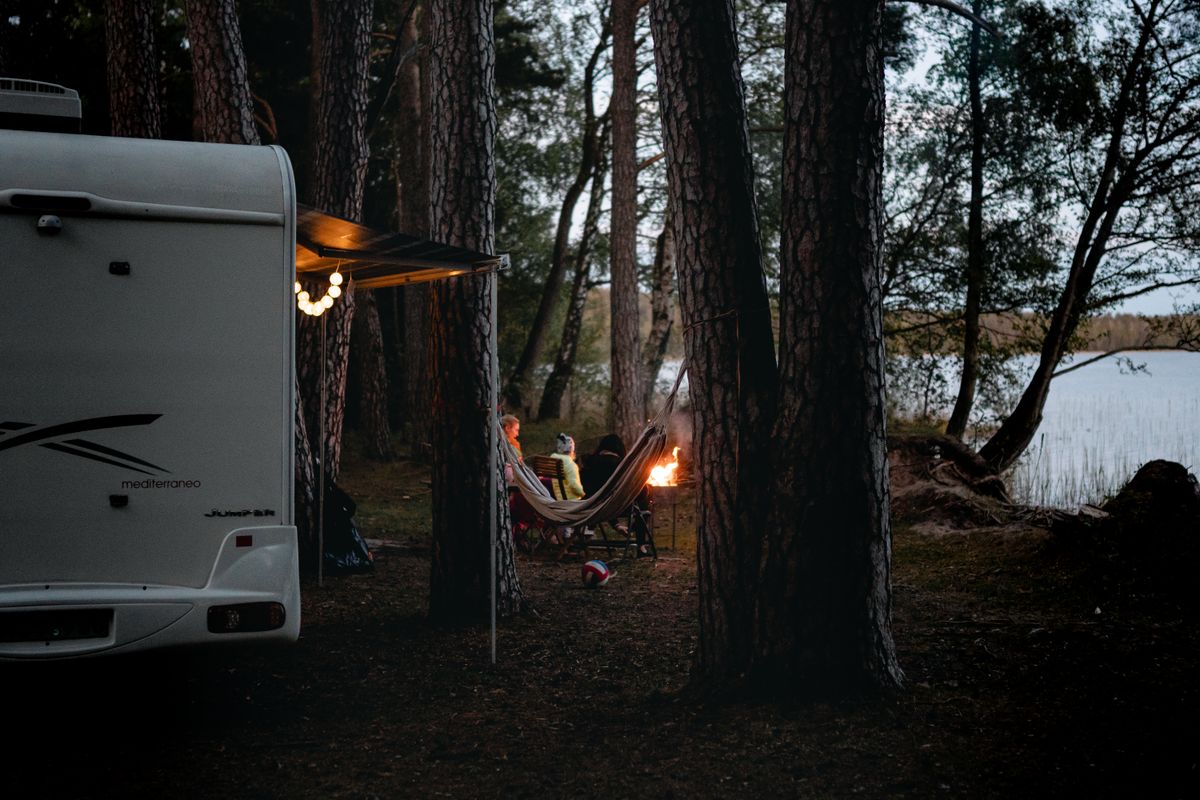
Let’s be honest — if you’re reading this, you probably love a good campfire. You know the drill: you stack some wood, strike a match, and suddenly you’re five years old again, roasting something on a stick and pretending you’re Daniel Boone. But here’s the thing — that stack of burning sticks has a story way older than your Coleman lantern. Way older than the United States. Way older than pretty much everything we call “civilization.”
A million years ago, someone — probably an ancestor of ours named “Grok” or something — stared at a lightning-struck tree, thought “that looks warm,” and changed the entire course of human history. This is that story.
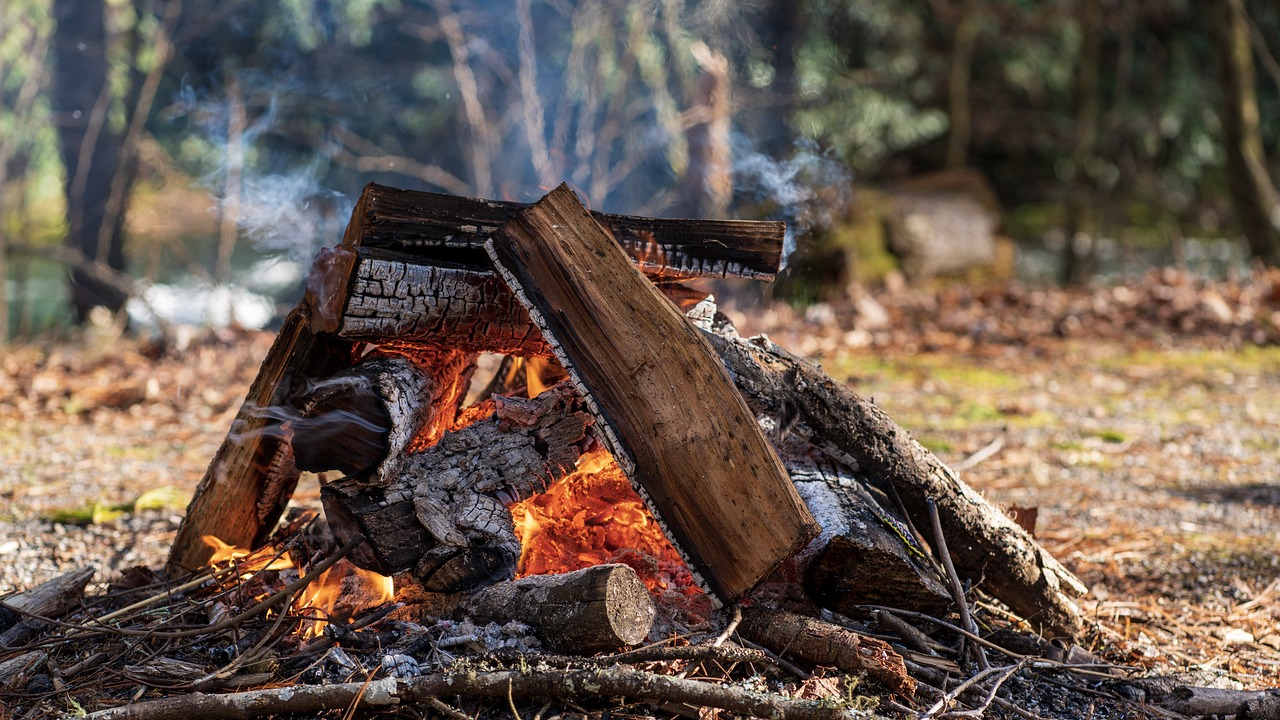
The Million-Year Glow
Let’s start at the beginning. Like, way at the beginning. Around 1.7 million years ago, Homo erectus — our squat-browed, heavy-browed great-great-(repeat about 200,000 times)-grandfather — started messing around with fire. Not in a “ooh, shiny” kind of way, but in a “hey, this cooked meat is way easier to chew” kind of way.
Here’s the thing that blows my mind: we don’t actually know how they got fire. Lightning? Volcanic lava? A very ambitious caveman with two really smooth sticks and too much time on his hands? Whatever the method, once Grok and the crew figured out how to keep a flame going, everything changed.
Cooked food meant fewer gut parasites and more nutrients. That meant bigger brains. Bigger brains meant someone eventually invented the s’more. It’s the circle of life.
Fire Made Us Human — Literally
I’m not being dramatic. Fire is arguably the single most important technology humanity ever invented. Think about it:
- Cooking freed up energy that would have gone into digesting raw meat and redirected it into brain development. We literally got smarter because of campfires.
- Warmth let humans migrate to colder climates. Without fire, Florida would’ve been the extent of human real estate.
- Light extended the day. Before fire, when the sun went down, you slept. After fire, you could sit around telling stories, making tools, and wondering why the stars looked like scattered embers.
- Protection kept the predators at bay. A fire is nature’s way of saying “keep back” in a language every animal understands.
Archaeologists have found evidence of controlled fire at sites like Wonderwerk Cave in South Africa (about 1 million years old) and Zhoukoudian in China (roughly 400,000 to 500,000 years). By the time Homo sapiens showed up — that’s us, roughly 300,000 years ago — fire was old news. We just added marshmallows.
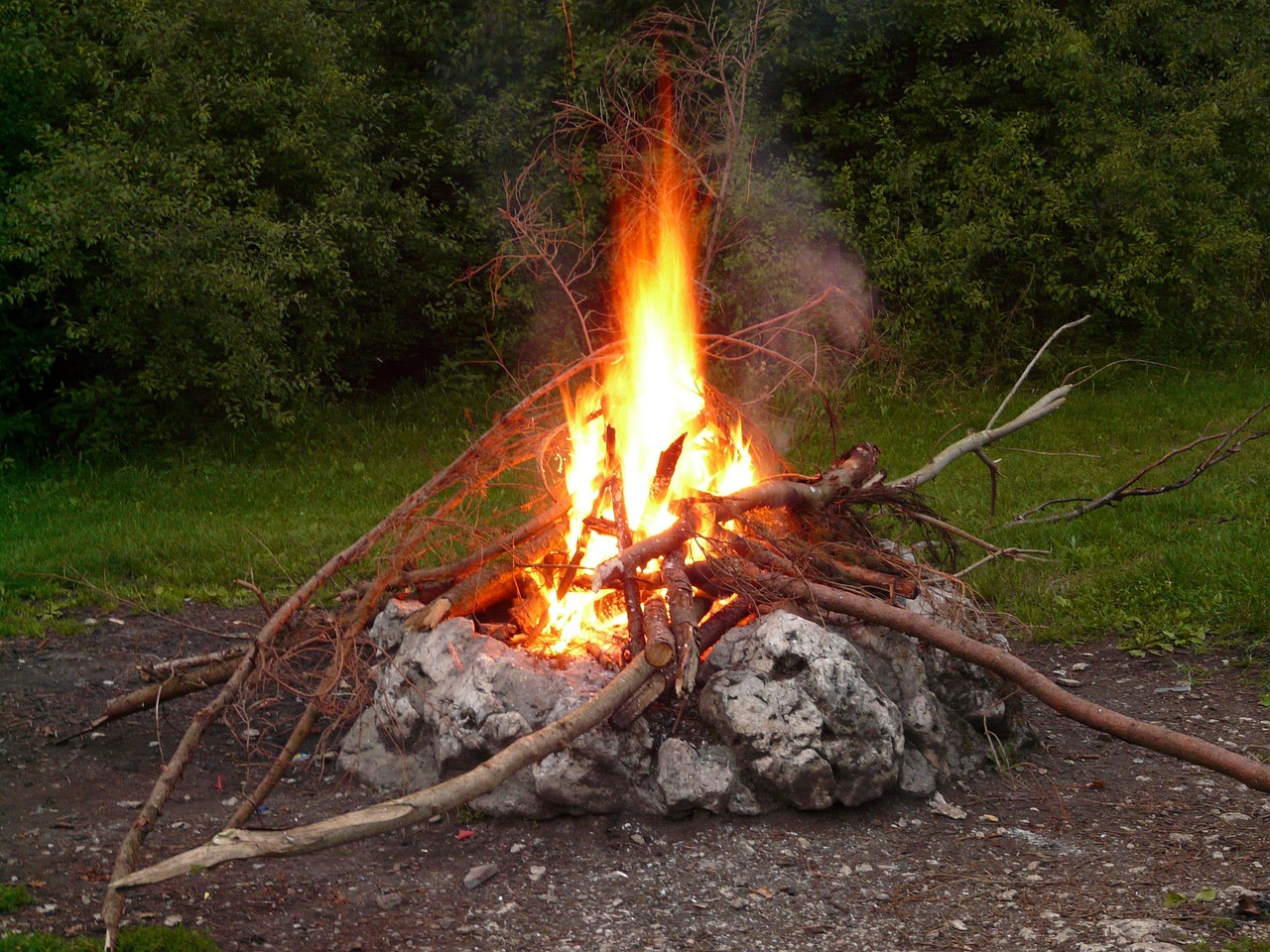
Campfire Stories: The Original Social Network
Before Twitter, before Facebook, before your neighbor’s Instagram feed showing off their perfectly arranged camping gear — there was the campfire.
Anthropologists believe that sitting around a fire was one of the earliest forms of human bonding. The warmth, the flickering light, the shared sense of “we survived another day” — it’s the original community center. Stories were told, skills were passed down, and someone definitely told the prehistoric equivalent of “you’ll never guess what happened to me today.”
There’s actually research showing that sitting around a fire triggers a physiological relaxation response. Your blood pressure drops, you feel more connected to the people around you. That’s not just modern camping wisdom — it’s hardwired into our DNA. Your brain literally associates fire with safety and community.
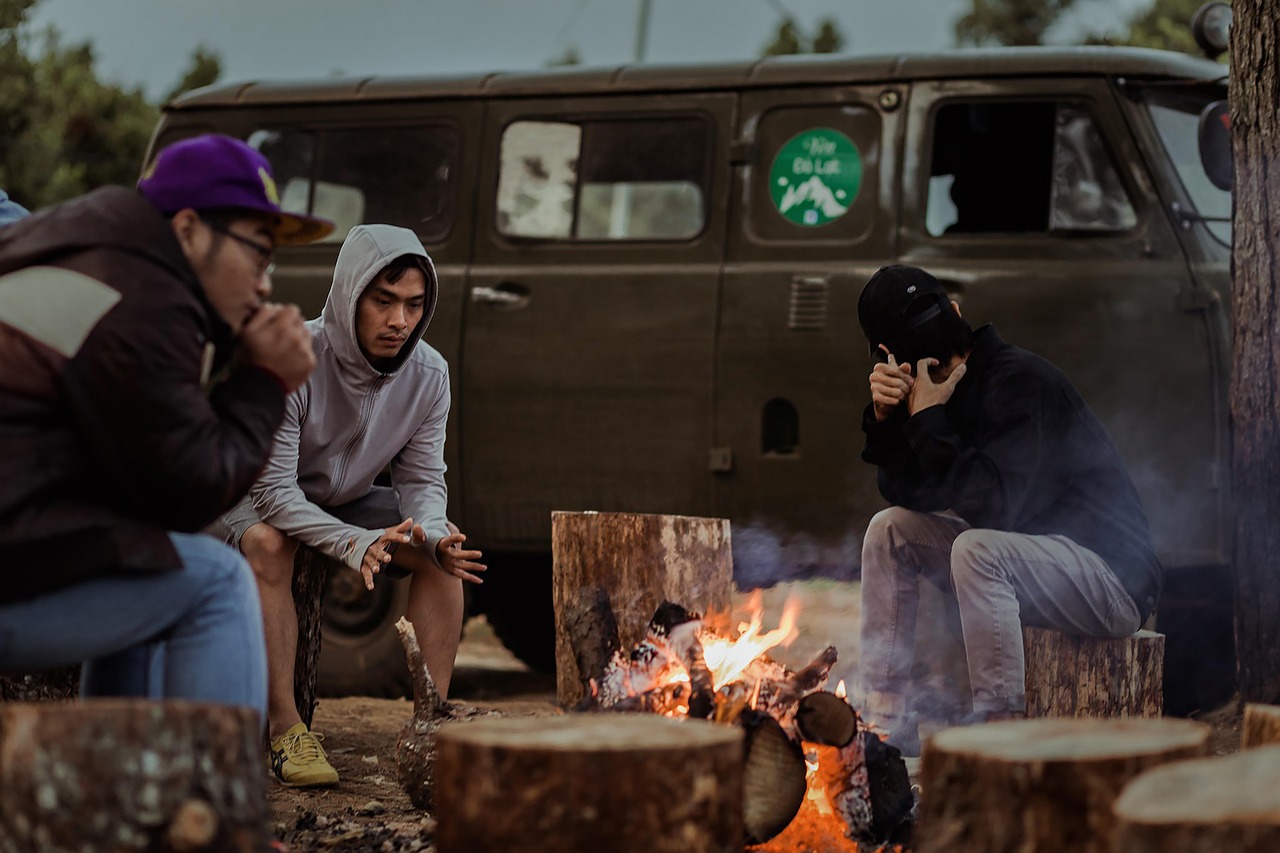
So when your kid says “I’m booooored” around the campfire, just know: thousands of years of evolution are telling them to sit down and chill. They’ll thank you later. Probably not, but they should.
Campfires Around the World
Every culture found its own way to make fire central to life:
- Native American tribes built council fires as gathering places for decision-making and storytelling. The fire wasn’t just warmth — it was the center of community.
- Ancient Greeks kept the sacred fire of Hestia burning in every home. Losing your hearth fire was a big deal — it meant you’d lost your connection to the gods and your neighbors.
- Scandinavians perfected the campfire as a survival tool, with techniques like the kohtar (a compact, efficient campfire design) that kept people warm through winters that would make a polar bear reconsider its life choices.
- Japanese developed the irori — a sunken hearth that served as heater, cooking surface, and gathering point. Talk about multitasking.
What’s beautiful is that despite all these different cultures and continents, the campfire looks roughly the same: a circle of people, a stack of burning wood, and that hypnotic pull of the flame.
From Survival Tool to Weekend Ritual
Fast forward a few hundred thousand years. Fire is no longer about survival — it’s about experience.
The Victorian era gave us “camping” as a recreational activity. Wealthy Europeans and Americans started “roughing it” in the woods as a way to escape the industrial grime of cities. They brought servants, fine china, and a very specific idea of “roughing it” that involved more lace than a wedding dress.
But somewhere along the line, camping democratized. World War II veterans brought back a love of the outdoors. The 1960s counterculture embraced the campfire as a gathering place for music, stories, and whatever else was happening. National parks exploded in popularity.
Today, over 80 million Americans camp each year. And nearly all of them build a campfire. We’ve gone from “fire keeps me alive” to “fire makes my s’mores taste better” in the blink of an evolutionary eye.
The Dark Side: When We Got Greedy
I’d be remiss if I didn’t mention the downsides. As humans spread across the globe, we started using fire for big, destructive things — slash-and-burn agriculture, deforestation, fossil fuel combustion. The campfire that gave us civilization also gave us climate change.
But here’s the camping community’s secret weapon: we’re actually some of the best stewards of the land. The Leave No Trace principles that guide modern camping are, at their heart, about respecting fire. Don’t build fires in sensitive areas. Use established rings. Put it out cold — cold enough that you can run your hand through the ashes. (Seriously. Do it.)
The same instinct that made our ancestors circle around a flame for warmth also makes us protect the wild places that let us do it. The campfire is both our oldest tool and our most responsible one.
Campfire Science: Why We’re Still Mesmerized
Ever wonder why you can’t look away from a campfire? Science has an answer.
The human brain is wired to detect movement — it’s a survival instinct. A campfire’s flames flicker and shift constantly, which keeps your attention locked in. At the same time, the crackling sound masks other noises, creating a sense of privacy and intimacy. Combine that with the warmth and the low light, and you’ve got a recipe for deep conversation, spontaneous storytelling, and bonding that feels almost magical.
There’s a term for this: soft fascination. Nature scenes (including fire) capture our attention effortlessly, allowing our brains to rest and recharge. That’s why a weekend of camping feels like a full week of vacation. Your brain literally works differently around a fire.
The Future of the Campfire
What does the campfire look like 50 years from now?
Some campsites are shifting to propane fire pits for environmental reasons — less smoke, no wood consumption. Others are going electric with fire-effect LED pits that look like flames but don’t burn anything. I’m conflicted about this. On one hand, less wildfire risk and less forest damage is obviously good. On the other hand, there’s something irreplaceable about the smell of burning wood, the crackle of real flames, and that moment when you’re poking the coals and a spark shoots up and you flinch because you forgot you’re not at a metal concert.
My take? The real campfire isn’t going anywhere. People crave authenticity. We crave the smell of wood smoke, the sound of crackling embers, and that moment when the flames die down and everyone just sits there in comfortable silence, staring at the glowing coals like they’re watching a tiny lava lamp.
That’s not something a propane pit or an LED can replace. Not yet, anyway.
The Bottom Line
The campfire is the oldest piece of camping gear you own. You didn’t buy it at REI. You inherited it from a million years of ancestors who figured out that fire = survival = community = civilization.
Every time you strike a match and light a campfire, you’re participating in the longest-running human tradition in existence. You’re doing exactly what your cave-dwelling great-great-great-grandfather did: gathering around a flame, staying warm, sharing stories, and remembering that the best parts of life aren’t the gear you bring — they’re the people you’re with and the fire you built together.
So next time you’re at camp, take a second to appreciate that humble pile of burning sticks. It started a revolution.
Happy camping — and may your marshmallows be perfectly golden.