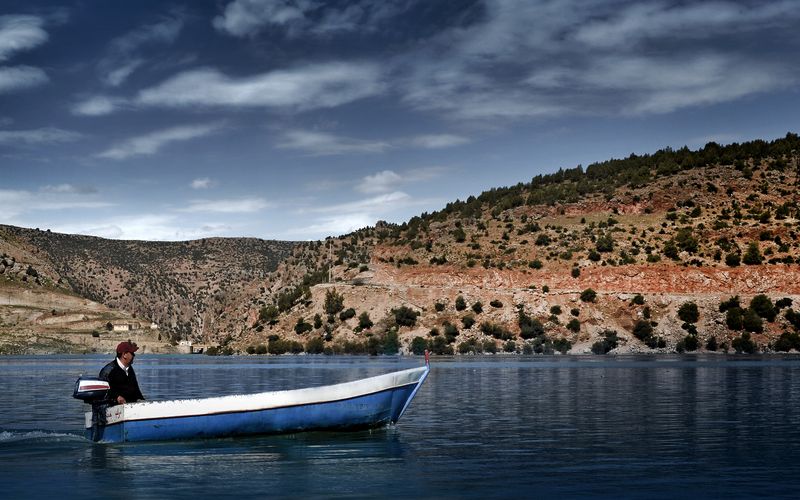
Before You Go: Planning Phase
Choosing Your Campsite
The right campsite makes all the difference. Here’s what to look for:
Essential Amenities:
- Flush toilets or clean vault toilets
- Potable water access
- Level campsite with shade
- Nearby hiking trails for kids
- Camp host on-site
Booking Platforms:
- Recreation.gov — National Parks & Forests
- ReserveAmerica — State parks
- KOA.com — Private campgrounds
- Hipcamp — Unique private land
Pro tip: Book 2-3 months ahead for summer weekends at popular locations.
The Complete Packing Checklist
Sleeping Gear
- Tent (with rainfly and stakes)
- Sleeping bags (rated 10°F below expected low)
- Sleeping pads or air mattresses
- Pillows (inflatable or from home)
- Extra blankets for kids
Cooking & Food
- Camp stove + fuel
- Cooler with ice
- Cooking utensils (spatula, tongs, knife)
- Pots and pans
- Plates, bowls, cups, utensils for everyone
- Can opener and sharp knife
- Dish soap, sponge, and towel
- Trash bags (multiple)
- Ziploc bags (various sizes)
- Water bottles for each person
- Coffee/tea supplies
Clothing (Layer Up!)
- Base layers (moisture-wicking)
- Insulating layers (fleece, puffy jacket)
- Rain jacket and pants
- Extra socks (at least 2 pairs per day)
- Comfortable hiking shoes
- Camp shoes (sandals or crocs)
- Warm pajamas
- Hat and gloves (even in summer!)
- Sunglasses
Safety & First Aid
- First aid kit (comprehensive)
- Headlamps or flashlights (with extra batteries)
- Whistle for each child
- Sunscreen (SPF 30+)
- Insect repellent
- After-bite treatment
- Matches/lighter (waterproof container)
- Multi-tool or knife
Kids-Specific Items
- Favorite stuffed animal or comfort item
- Activities for downtime (coloring books, cards)
- Change of clothes (for every 2 hours)
- Wet wipes (bring extra)
- Favorite snacks
- Binoculars for wildlife viewing
Setting Up Camp
Arrival Checklist
- Arrive before dark — Set up in daylight for the first time
- Choose your spot carefully — High, flat, and sheltered
- Set up the tent first — Your home base before anything else
- Organize your kitchen — Cooking area downwind from sleeping area
- Create a fire pit area — If fires are allowed
Tent Setup Tips
- Clear the ground of rocks and sticks
- Use a footprint/ground tarp under the tent
- Orient the door away from prevailing wind
- Stake all guy lines even if it seems calm
- Keep the rainfly on at night (condensation happens!)
Camping with Kids: Survival Tips
Before the Trip
- Watch camping YouTube videos together
- Practice tent setup in the backyard
- Do a “practice campout” on the living room floor
- Talk about what to expect (bugs, bathrooms, no screens)
At Camp
- Establish clear boundaries
- Use the buddy system for bathroom trips
- Teach kids the “three blows” whistle signal
- Keep a consistent bedtime routine
- Let kids help with camp chores
Food & Meals
- Prep as much as possible at home
- Keep snacks accessible at all times
- Don’t experiment with new recipes on the first trip
- Have backup meals ready (everyone gets hangry)
Safety First
Wildlife Safety
- Store ALL food in the car or bear box
- Never leave food in the tent
- Keep a safe distance from all animals
- Make noise on trails to avoid surprising animals
Fire Safety
- Only use designated fire rings
- Keep water or dirt nearby
- Never leave fire unattended
- Fully extinguish before bed (drown, stir, drown, feel)
Weather Preparedness
- Check the forecast daily
- Have a “bail out” plan if weather turns bad
- Know where to seek shelter
- Pack layers for temperature swings
The Perfect First Trip Timeline
Friday: Arrival
- 2:00 PM: Arrive at campground
- 2:30 PM: Set up tent
- 3:30 PM: Explore the area
- 5:00 PM: Cook dinner
- 6:30 PM: Campfire & s’mores
- 8:00 PM: Start bedtime routine
- 8:30 PM: Kids asleep, adult time begins
Saturday: Adventure Day
- 7:30 AM: Wake up, breakfast
- 9:00 AM: Hit the trail or explore
- 12:00 PM: Lunch at campsite
- 1:00 PM: Afternoon rest/quiet time
- 3:00 PM: Activity (fishing, swimming, games)
- 6:00 PM: Cook dinner
- 7:30 PM: Campfire stories
- 8:30 PM: Bedtime
Sunday: Pack Up & Go
- 8:00 AM: Easy breakfast
- 9:00 AM: Pack up gear
- 10:00 AM: Leave no trace check
- 10:30 AM: Hit the road home
Leave No Trace Principles
- Plan ahead and prepare
- Travel and camp on durable surfaces
- Dispose of waste properly
- Leave what you find
- Minimize campfire impact
- Respect wildlife
- Be considerate of other visitors
Common First-Trip Mistakes to Avoid
- Car camping with too much stuff — You don’t need your full kitchen
- Not testing gear beforehand — Always do a backyard trial
- Choosing a campsite too far from home — Keep it under 2 hours
- Over-scheduling activities — Leave time for relaxation
- Forgetting rain gear — Even in summer, afternoon storms happen
Final Thoughts
Your first family camping trip doesn’t need to be perfect. It’s about creating memories, not achieving camping perfection. The kids will remember the adventure, not the fact that the tent was slightly crooked or dinner was slightly burnt.
Remember: Start simple, stay flexible, and have fun! 🏕️
Book Your Campsite
Ready to plan your first trip? Find campgrounds near you at Recreation.gov.