Introduction
I’ve been camping across America for over a decade — through 30+ states, every season, and yes, I’ve made just about every mistake you can imagine. I’ve been chased by yellowjackets, spent a freezing night without a sleeping bag, and once got so spooked by a bear that I threw all our snacks into the woods.
This guide isn’t about scaring you out of the woods. It’s about making sure you’re ready for the things that can actually go wrong, so the rest of your trip is nothing but good memories.
1. Check the Weather — Seriously, Every Time
Don’t assume “it’ll be fine.” Weather in the American outdoors changes fast. Spring temperatures can swing from 70°F down to near-freezing in a single afternoon. Desert heat can hit 100°F by noon and drop 40 degrees after sunset. Thunderstorms in the Rockies can appear out of nowhere.
Start watching the forecast 48 hours before you leave. If there’s a real chance of heavy rain, strong winds, extreme heat (over 95°F), or thunderstorms — reschedule. You’ve got a lifetime of camping ahead of you. One lost weekend is a small price to pay.
Hot weather tips: Pitch your tent in the shade. Bring a wide-brimmed hat, sunscreen (SPF 30+), and lightweight UV-protective clothing. Standing in the sun versus sitting in the shade can feel like a 15°F difference — that’s the difference between a fun afternoon and a heatstroke risk.
2. Don’t Let Kids Wander — They’re the #1 Cause of Campsite Panic
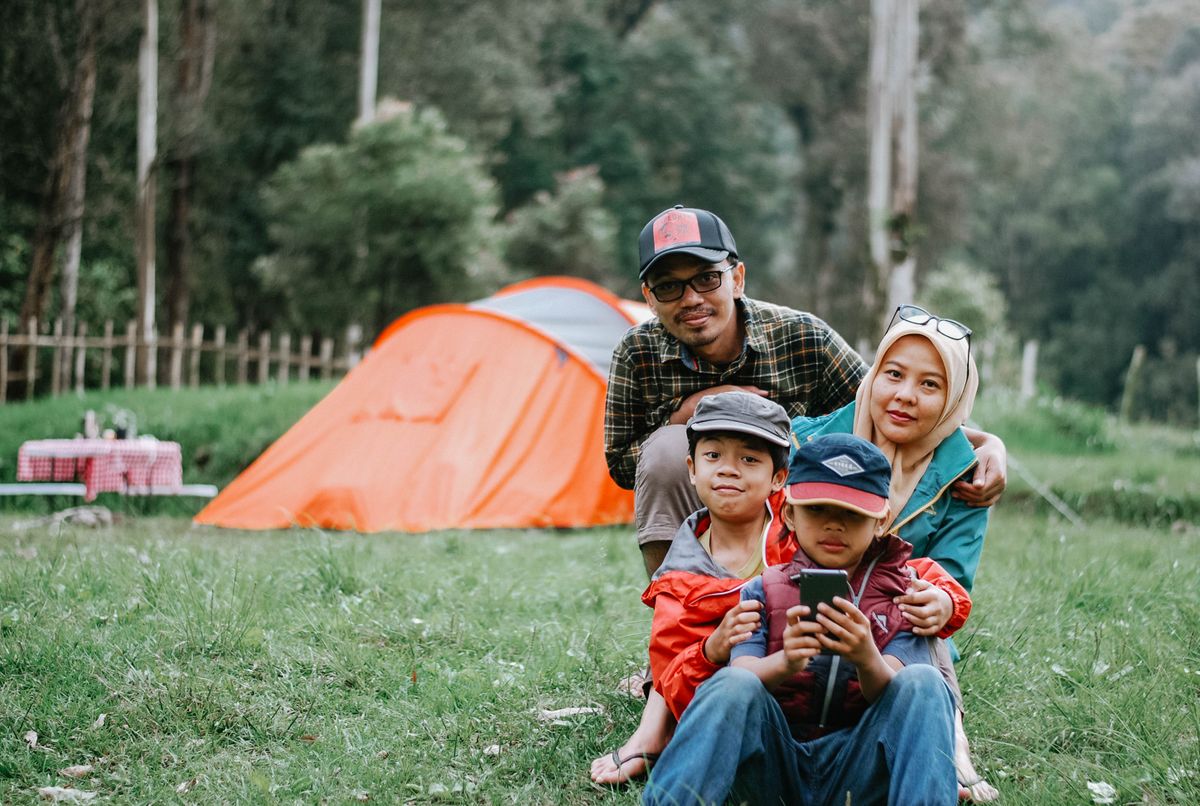
Kids get disoriented fast. A campsite that looks obvious to you — big tree, blue tent, fire pit — looks like every other campsite to a 6-year-old.
When you arrive, spend 10 minutes walking the perimeter together. Point out landmarks: the bathroom, the water spigot, your tent. Tell them: if you can’t find us, stay where you are. Do not go looking for you. Practice this conversation before you need it.
Give each kid a whistle on a lanyard around their neck. Three short blasts is the universal distress signal — it carries farther than yelling and doesn’t tire them out. Show them how to use it before you even unpack the car.
3. Scout Your Campsite Before You Unload
Before you pitch the tent, take a 5-minute walk around. Look for:
- Standing water — mosquito central
- Ant hills — not fun to find out about at 2 AM
- Wasp or hornet nests in trees or on the ground — if you see one, pick a different spot
- Dead branches overhead — “widowmakers” that could fall in wind
- Bear signs — claw marks on trees, overturned trash cans, or scat. If you see them, move on
Look for an existing fire ring if you plan to have a fire — it means the ground has already been cleared and burned, which is safer and more environmentally sound. Always confirm fires are allowed before lighting one; many national parks ban them during dry seasons.
4. Water Safety: When in Doubt, Boil It Out
Campground drinking water is usually fine, but backcountry water is not. Streams, lakes, and springs that look crystal-clear can harbor Cryptosporidium and Giardia — microscopic parasites that will lay you up with diarrhea for a week or land you in urgent care.
If you’re pulling water from a stream or lake, boil it for at least 1 minute before drinking. Portable filters (Sawyer Mini, LifeStraw) are solid alternatives. Plan for roughly 1 gallon per person per day in warm weather with activity. Bring extra — running out of water mid-trip is one of those problems that’s easy to prevent and miserable to deal with.
5. Food: Keep It Simple, Keep It Sealed
Pack enough food for your trip plus 20% extra. The best camping foods are simple: energy bars, trail mix, beef jerky, instant oatmeal, jarred pasta sauce with dried pasta. You don’t need a gourmet setup. A hot meal eaten around the campsite beats any fancy meal plan that falls apart in the rain.
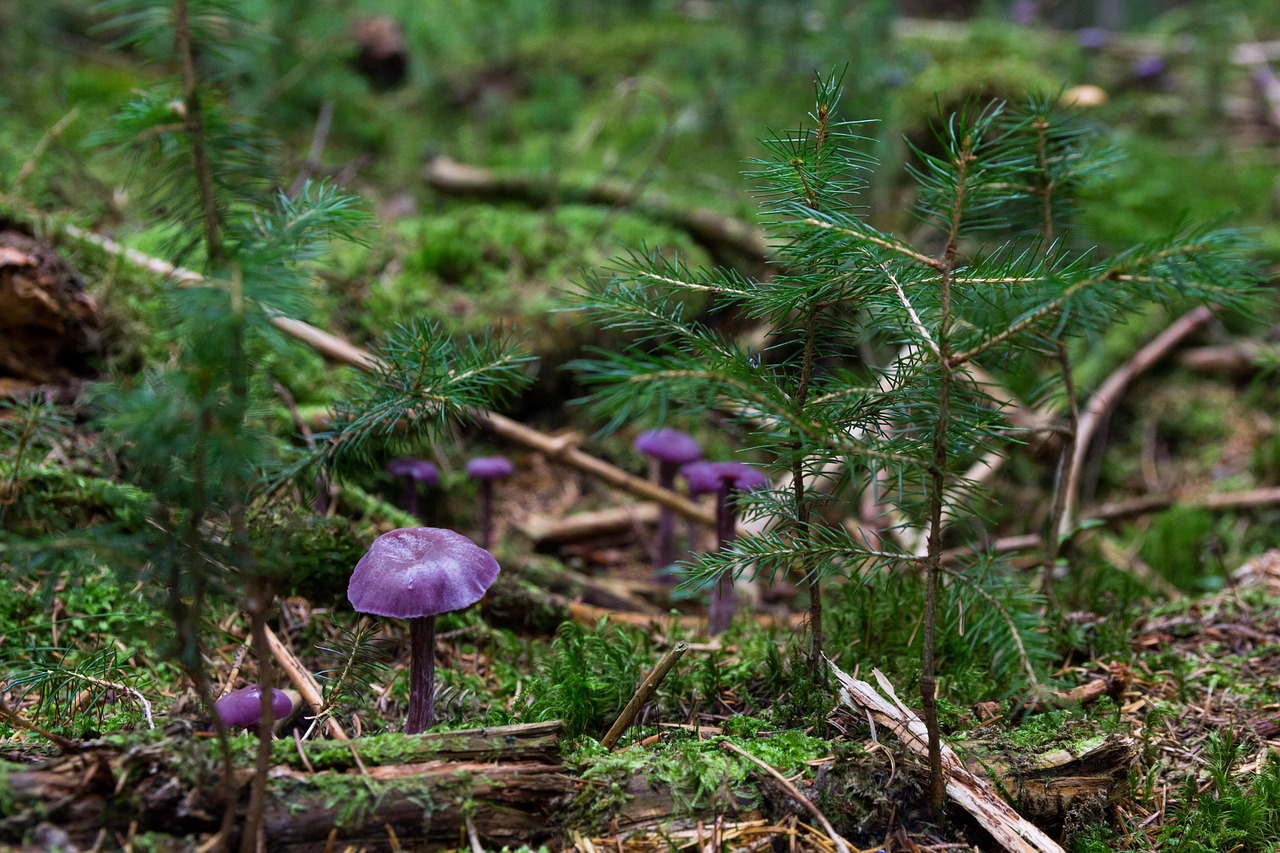
Never eat wild berries or mushrooms you find in the woods. Many North American mushrooms are toxic enough to hospitalize or worse, even in small amounts. Berries that look like raspberries might be wild blackberries (fine) or something else entirely (not fine).
Store all food, trash, and scented items (toothpaste, sunscreen, deodorant) in a bear box or hung from a bear pole. Bears have an incredible sense of smell — a tube of toothpaste is basically dessert to them. I once watched a black bear at a Yellowstone campsite dismantle an unlocked cooler. Not a fun way to lose breakfast.
6. Bug Bites & Poison Ivy: Build a First-Aid Kit You Actually Need
Mosquitoes, ticks, and yellowjackets are the main enemies. Ticks can carry Lyme disease — remove them with fine-tipped tweezers as soon as you spot one and keep an eye on the bite site for a few weeks. Yellowjackets are aggressive at many American campgrounds. If you see a nest near your tent, relocate.
Your first-aid kit should include:
- Antihistamines (Benadryl) — for allergic reactions to stings or plants
- Hydrocortisone cream — soothes bug bites and poison ivy rash
- Fine-tipped tweezers — for tick removal
- Antiseptic wipes — clean cuts and scrapes
- Elastic bandages — sprains happen
- EpiPen — if anyone in your group has a severe allergy
Watch out for poison ivy, poison oak, and sumac. The rule is simple: “Leaves of three, let it be.” If someone brushes against it, wash the area with soap and cold water within 30 minutes — that’s your best shot at avoiding the rash.
7. Wildlife: Admire From Afar, Never From Close-Up
This one seems obvious until you see a deer at your campsite and your kids lose their minds. Squirrels, raccoons, deer, and even seemingly harmless animals can carry rabies. Teach your kids early: no touching, no feeding, no approaching.
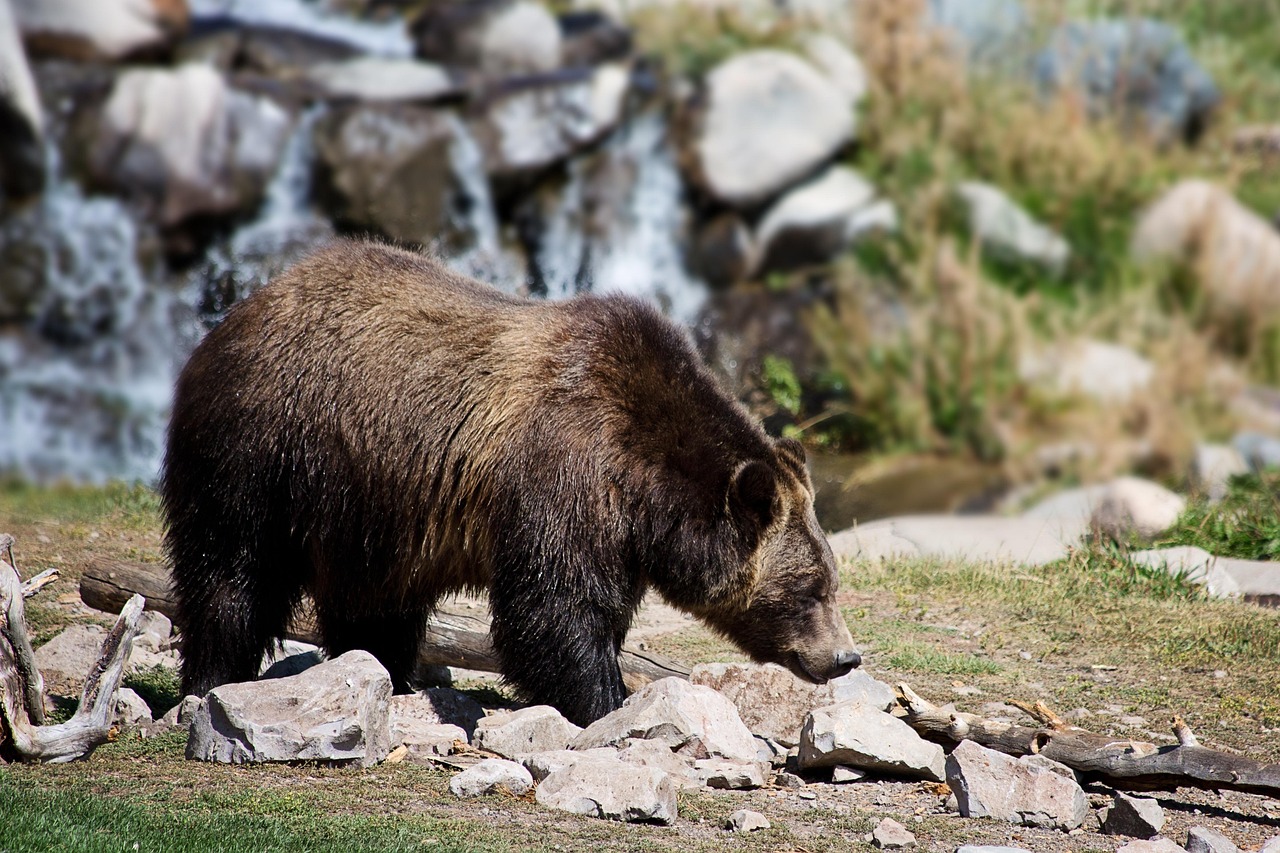
If you see a bear, give it space. Most campgrounds in bear country have bear boxes or bear poles — use them. Keep a clean campsite. A well-managed campground with proper food storage is already 90% safer than one where people leave snacks lying around.
I’ve had a black bear wander through my campsite at 2 AM. My heart was pounding, but the bear box was locked, our tent was clean, and the bear moved on. Preparation beats panic every time.
8. Emergency Gear: Bring It, Know Where It Is, Hope You Never Use It
- First-aid kit — everything listed above, plus any personal medications
- Flashlights — one per person, with extra batteries
- Whistles — one per kid
- Emergency blankets — hypothermia is the #1 cause of camping-related deaths in the US, and it doesn’t only happen in winter
- Offline maps — download Google Maps offline for the area. Many campgrounds have zero cell service
- Power bank — keep your phone charged. A charged phone with signal is a lifeline in an emergency
Spend 15 minutes before your trip going over what to do in an emergency with the whole family. Kids who know the plan are calmer when things go wrong — and they’re more likely to do the right thing.
Final Thoughts
Camping isn’t a hotel. Things will break, plans will change, and you’ll probably forget something important. The difference between a disaster and a good story is usually just preparation.
The goal isn’t to eliminate every risk — it’s to manage the ones you can, stay aware of the ones you can’t, and have a great time doing it.
Be prepared, stay alert, and enjoy the outdoors. 🏕️
References & Resources
- National Park Service — Camping Safety — Official NPS camping safety guidance covering wildlife, weather, water, and trip planning.
- CDC — Outdoor Safety & Health — CDC resources on tick bite prevention, heat-related illness, and water safety for outdoor recreation.