Introduction
I’ve camped across 30+ states over the past decade, and if there’s one thing I’ve learned, it’s this: the right campground makes all the difference. A beautiful park with no hot showers and a 2-mile walk to the bathroom is a hard sell when you’re hauling a cooler, two kids, and a tent through the rain.
This isn’t a ranking — no park is “better” than another. These are the five national parks I’d genuinely take my family back to, again and again, and why. Each one has something special that makes family life easier and memories richer.
How I Pick a Park for Family Camping
Before diving into the recommendations, here’s my quick checklist for any park I’m considering with kids:
- Short, stroller-friendly trails — If the best hike is 8 miles round-trip, pick a different park.
- Junior Ranger programs — Most national parks offer free ranger-led activities for kids. They earn a badge. It’s the highlight of their trip.
- Weekdays over weekends — Showing up at a popular park on a Friday afternoon means spending your first hour hunting for a parking spot. Arrive Tuesday or Wednesday instead.
1. Great Smoky Mountains National Park — Tennessee / North Carolina
Best for: First-time family campers
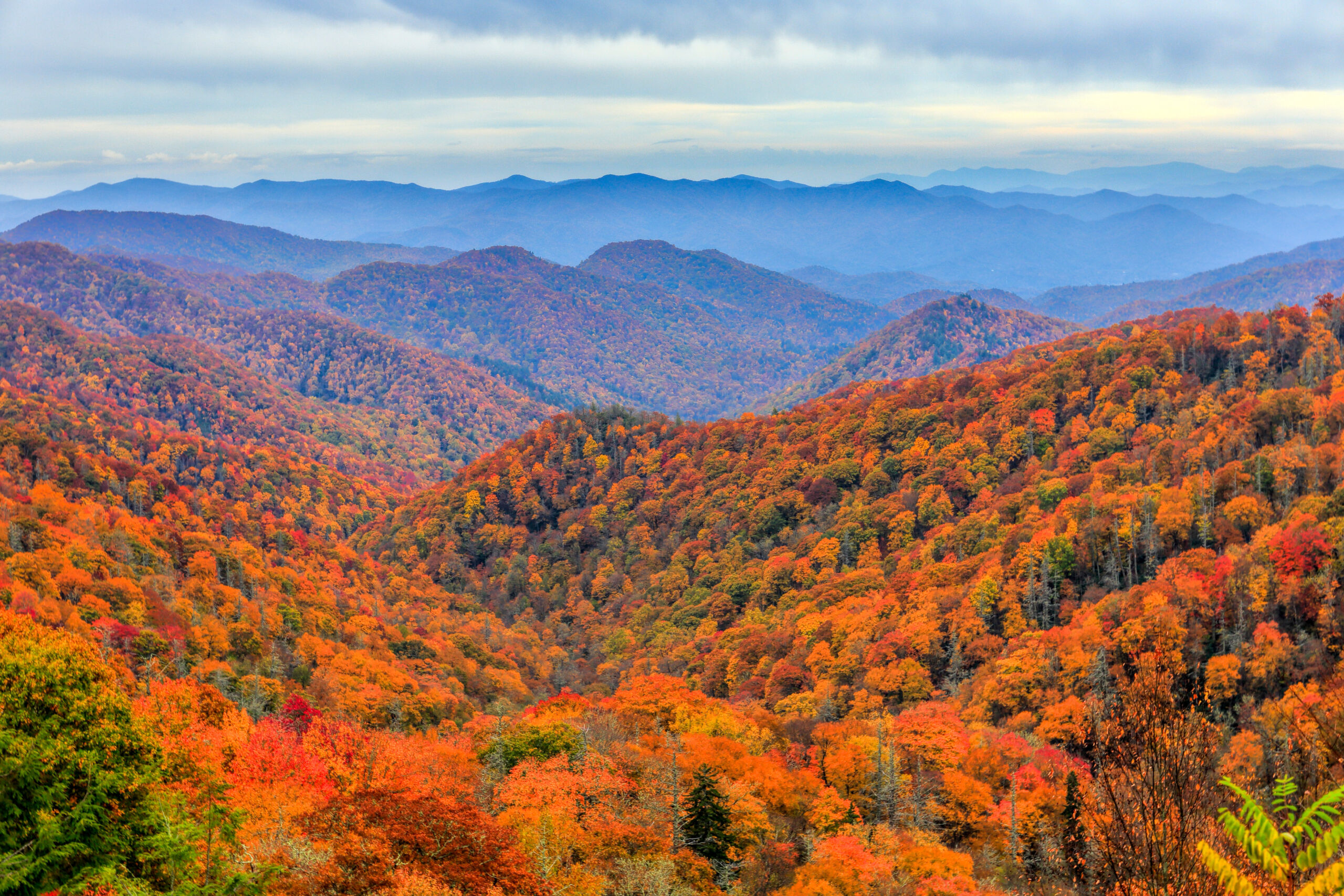
The Smokies are the most visited national park in America for a reason. They’re accessible, affordable ($35 per vehicle for 7 days), and packed with family-friendly campgrounds. Cades Cove and Elkmont are the two I’d pick first.
Cades Cove features an 11-mile loop road — you can drive the whole thing. Deer, wild turkeys, and the occasional black bear cross right in front of your car. My kids still talk about the time a doe and her fawn stood by the roadside for five minutes while we watched from inside the van.
Elkmont Campground has hot showers and sits steps from the trailhead. The Little River Trail is an easy 1-mile walk along a shallow creek — perfect for throwing rocks and skipping stones while you sit on a bank and breathe.
Best time to visit: May through September. October brings stunning fall colors but also peak crowds. If you can swing a weekday in mid-October, you’ll have the place mostly to yourself.
2. Yosemite National Park — California
Best for: Kids who need to be wowed by nature
Yosemite is a haul — 3-4 hours from San Francisco — but when Half Dome and El Capitan first come into view, even a seasoned camper like me goes quiet. That’s the effect this place has.
Upper Pines Campground is the park’s most popular tent-only site, open year-round within walking distance of Yosemite Valley’s main attractions. The catch? Reservations sell out months in advance, especially for summer. Book the second they become available — I’m not joking.
If Upper Pines is full, look outside the park at Wawona or Hodgdon Meadow. Less crowded, same incredible scenery.
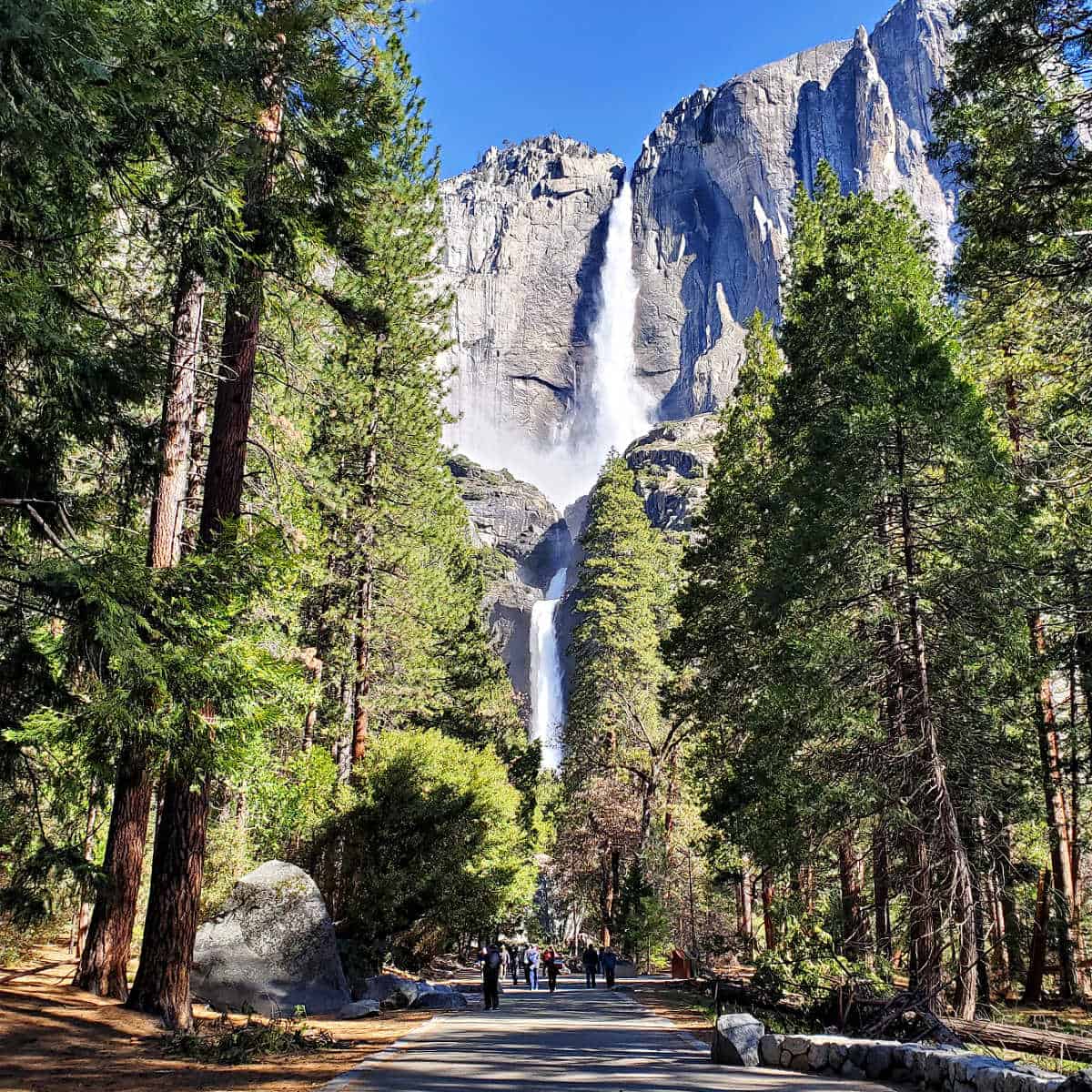
Take kids on the Lower Yosemite Fall Trail — fully paved, 1 mile round-trip, and ends at the base of North America’s tallest waterfall. The mist hits your face at the end, and so does the grin on your kid’s face.
Best time to visit: May through October. Most roads close in winter. Spring brings the heaviest water flow on the falls.
3. Zion National Park — Utah
Best for: Active families who love to hike
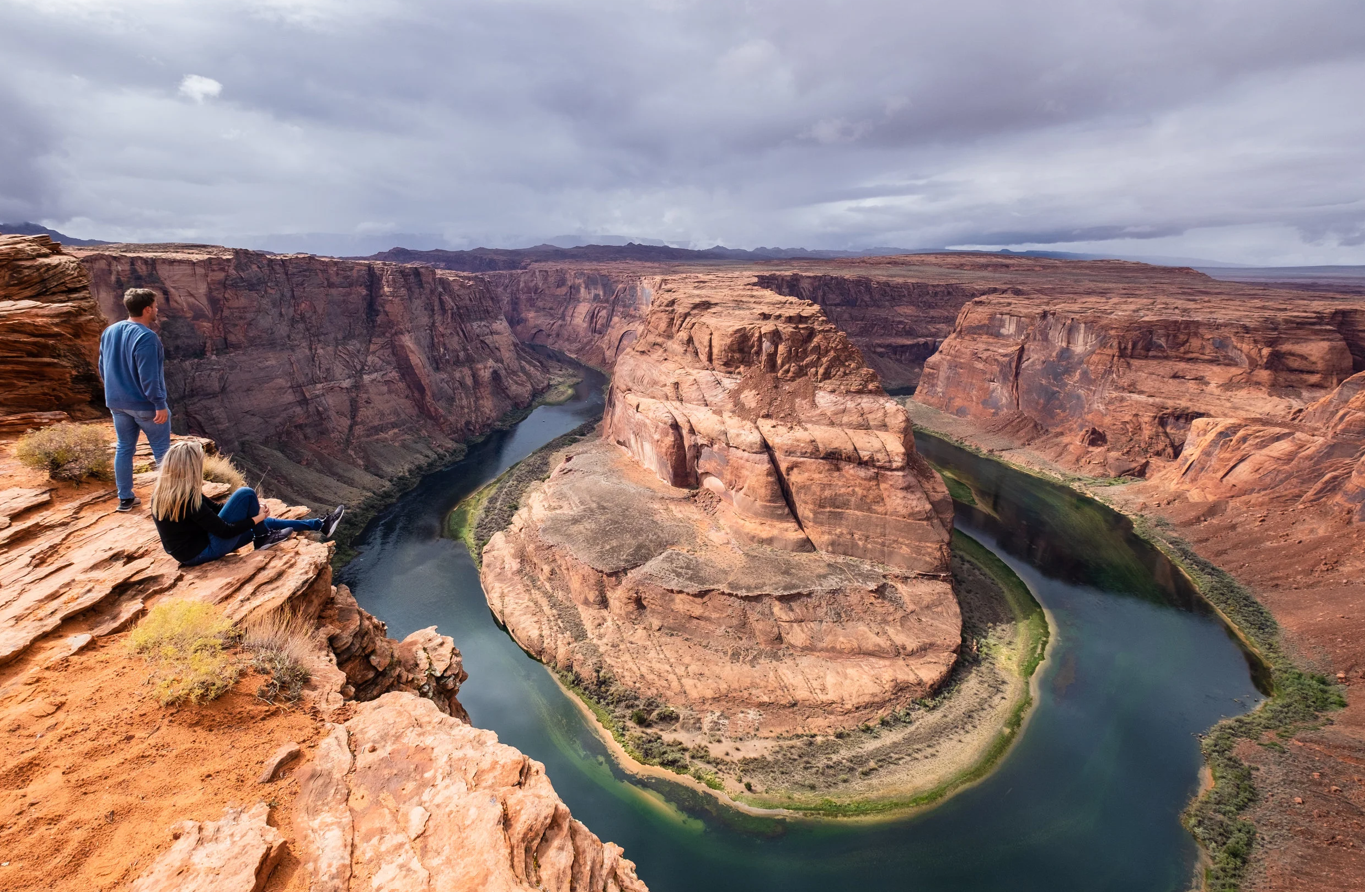
Zion doesn’t look like any other national park. Towering Navajo sandstone cliffs rise 2,000+ feet from the canyon floor in shades of red, pink, and cream that change with every hour of light.
The Narrows is Zion’s signature experience — hiking in the Virgin River, wading upstream through narrow slot walls with the water rarely above your ankles. It’s easy to turn around at any point, which makes it perfect for kids who might lose interest halfway.
Watchman Campground sits right at the park entrance with full amenities. Outside the park, Zion Canyon Campground offers similar access at a lower price.
One thing to note: private vehicles are restricted in Zion Canyon during peak seasons (spring through fall). You’ll use the park shuttle. It’s efficient, but plan accordingly.
Best time to visit: March through May or September through November. Summer valley floor temperatures regularly hit 100°F+ with very little shade.
4. Glacier National Park — Montana
Best for: Families ready for real wilderness
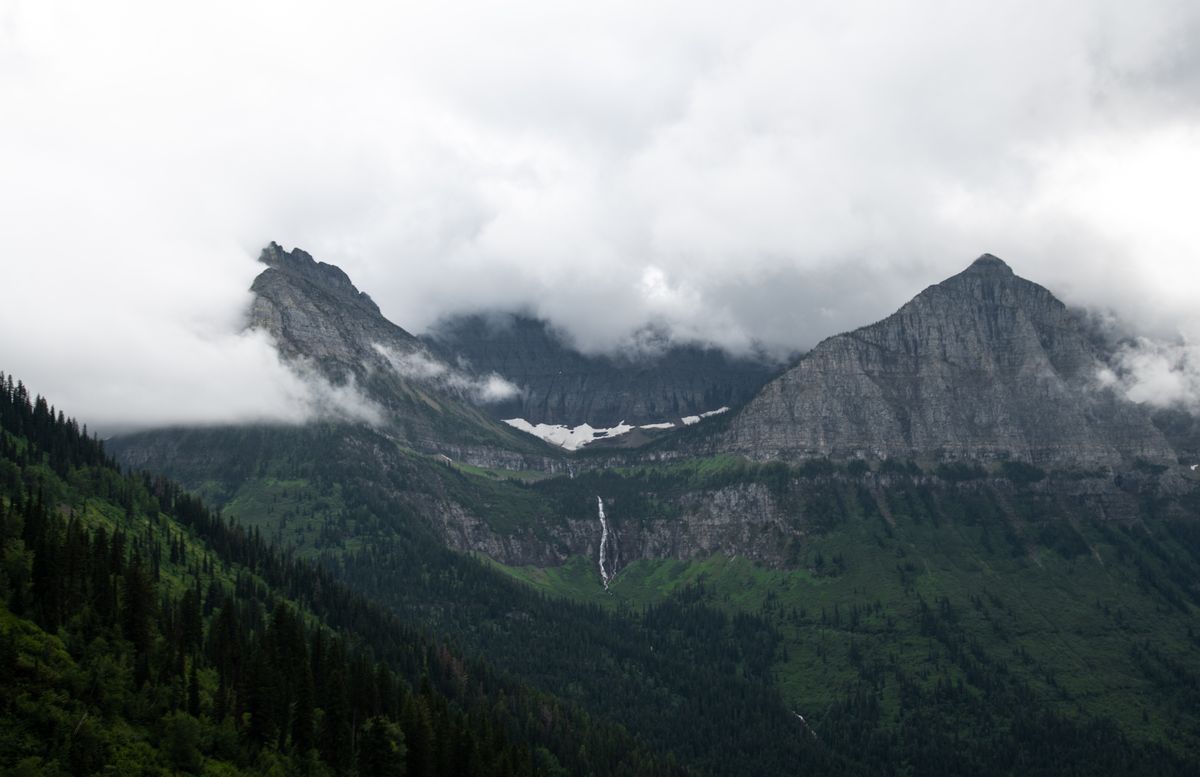
Glacier is my kind of park — raw, dramatic, and genuinely wild. Apgar Village Campground has full facilities, and the Going-to-the-Sun Road is one of the most scenic drives in the world, crossing the continental divide at 6,646 feet with waterfalls, glaciers, and alpine meadows unfolding around every hairpin turn.
For families, I recommend the Trail of the Cedars — a flat, 1-mile boardwalk through ancient western red cedars ending at a waterfall. It’s simple, it’s beautiful, and kids can run around without the danger of a steep drop-off.
Wildlife sightings are common here. Mountain goats, bighorn sheep, and the occasional grizzly. Keep your distance, keep your food locked up, and don’t leave coolers unattended. I’ve seen a bear drag an unlocked cooler off a campsite picnic table in under 30 seconds.
Best time to visit: July through September. The park’s high elevation keeps many roads closed into late June, and snow starts falling by October.
5. Acadia National Park — Maine
Best for: Families who love the ocean
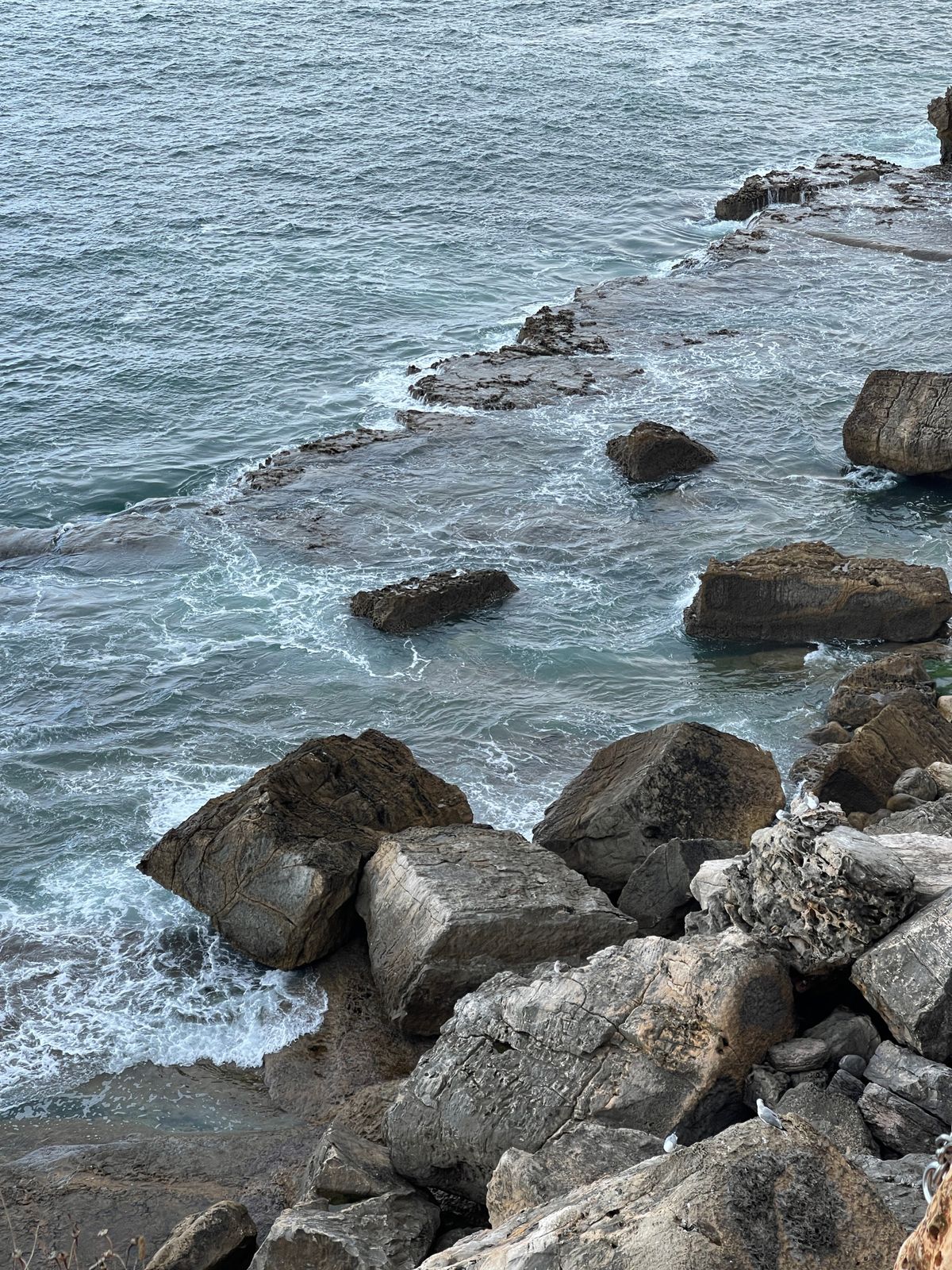
Acadia is the only national park in the Northeast, and the only one with rugged Atlantic coastline. Blackwoods Campground sits in a pine forest near the ocean — you can smell the salt air mixing with the trees when you wake up in the morning.
Things to do with kids:
- Cadillac Mountain sunrise — The first place sunlight hits in the US (for most of the year). You can drive to the top. Bring jackets; it’s windy up there.
- Tide pooling at Sand Beach — At low tide, kids can hunt for sea urchins, crabs, and starfish in the rocky pools. Bring a bucket and a sense of adventure.
- Jordan Pond Path — A flat, 3-mile loop around a crystal-clear pond with the Bubbles (two small mountains) as a backdrop. Benches along the trail make it easy to stop for snacks.
The park’s Carriage Roads — 57 miles of crushed-stone paths built by John D. Rockefeller Jr. — are closed to cars. Strollers, bikes, and little legs are all welcome.
Best time to visit: June through September. September is ideal — fewer crowds, comfortable temperatures, and Maine’s fall colors start appearing by mid-September. Most campgrounds close by mid-October.
A Few Practical Tips
Book campsites early. Most national park campgrounds open reservations 6 months in advance. Popular parks like Yosemite and Zion sell out in minutes. Set a calendar reminder for the exact date reservations open.
Arrive before dark. Finding your campsite, setting up the tent, and getting the kids settled is stressful enough in daylight. Adding pitch-black darkness to the mix is a recipe for crankiness all around.
Pack for the park, not the weather app. Mountain weather changes fast. I’ve seen 40-degree temperature swings in a single afternoon at Glacier. Bring layers — always more than you think you need.
Download offline maps. Cell service at national parks is, putting it mildly, unreliable. Google Maps offline mode is your friend.
Final Thoughts
Here’s my honest take: you don’t need to visit all five of these parks to give your kids an unforgettable camping experience. You just need one. Pick the park that’s closest to you, book a site, and go.
The goal isn’t to check a national park off a list. It’s to get your family outside, away from screens, and making memories that last. My kids don’t remember which park we visited or how many miles we hiked. They remember the deer at Cades Cove, the waterfall mist at Yosemite, skipping stones at Zion, and the time a mountain goat wandered through our campground at Glacier.
Pick a park. Make a plan. Go.
Happy camping! 🏕️
References & Resources
- National Park Service — Find a Park — The official NPS portal for all 423 national parks, with camping information, trail conditions, and reservation links.
- Recreation.gov — Campground Reservations — The official booking platform for all national park campgrounds. Reserve up to 6 months in advance at most parks.