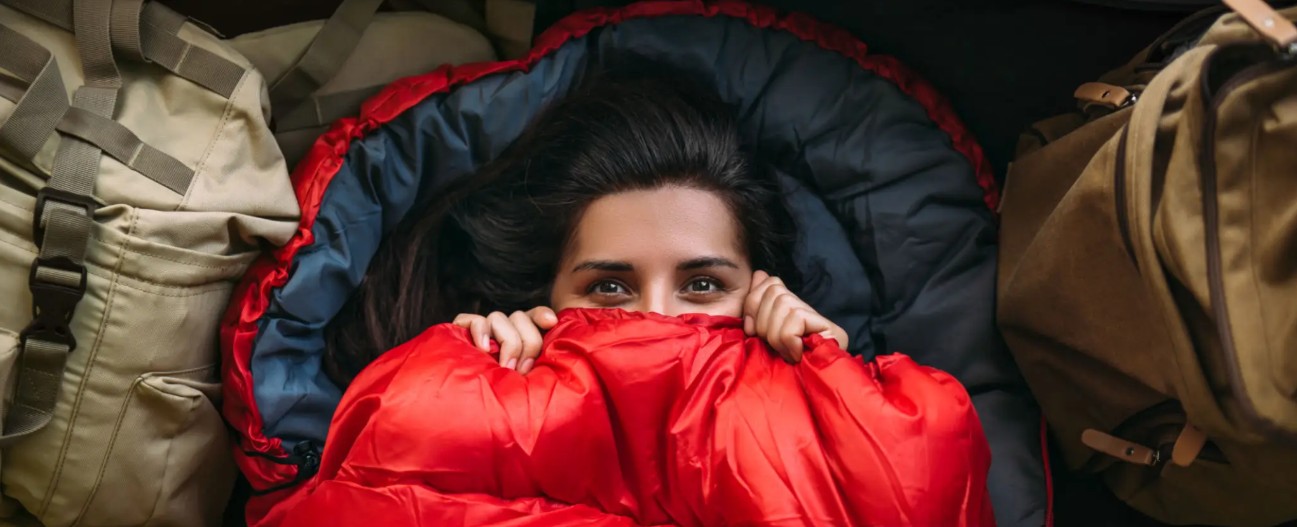
There’s a special kind of misery in camping: it’s 2am, the temperature has dropped to 28°F, and your sleeping bag might as well be a thin sheet of paper. You’re wearing every layer of clothing you brought, you’ve stuffed newspaper between you and the tent floor, and you’re still shivering so hard your teeth are auditioning for a drum solo.
I’ve been there. More than once. After 10+ years of camping in everything from Arizona deserts to Colorado snowstorms, I’ve learned that the difference between a great night’s sleep and a long, cold wait for sunrise usually comes down to one thing: your sleeping bag — and how you use it.
Here’s everything I wish I knew before my first frozen camping trip.
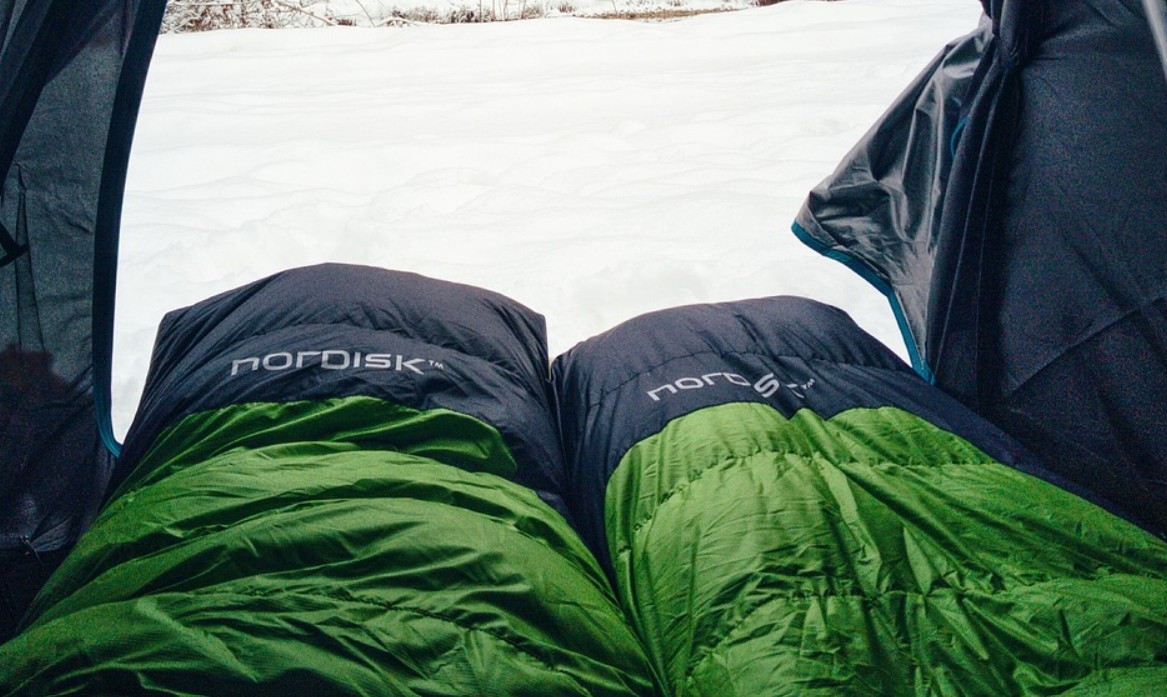
Types of Sleeping Bags: Know What You’re Buying
Not all sleeping bags are created equal. Understanding the three main types will save you from a lot of cold nights.
Mummy Bags
The classic camping shape — narrow at the feet, wider at the shoulders, with a hood that cinches tight around your head.
Pros: Best warmth-to-weight ratio, the hood adds serious heat retention, packs down small Cons: Can feel claustrophobic, not great for side sleepers who need room to move
Mummy bags are what I take for every backpacking and cold-weather trip. They just work.
Rectangular Bags
Think of them as a blanket with a zipper. You can fully unzip them and use them like a comforter.
Pros: Plenty of room to move, can zip two together for a “double” bag, great for car camping Cons: Heavier, bulkier, and there’s more empty space for cold air to creep in
Rectangular bags are perfect for families car camping in mild weather. Not ideal for freezing temps.
Semi-Rectangular (Barrel) Bags
The middle child of sleeping bags — wider than a mummy but tapered like one.
Pros: Better room to move than a mummy, decent warmth, more comfortable for many sleepers Cons: Not as warm as a true mummy, not as spacious as a rectangular
A solid all-around choice if you don’t love the snug feeling of a mummy bag.
Sleeping Bag Liners
These are thin, lightweight fabric bags that go inside your sleeping bag. Silk or fleece liners can add 10-20°F of warmth. They’re also great for keeping your sleeping bag clean (less washing).
I keep one in every bag I own. On a borderline night, a liner is often the difference between warm and miserable.
How to Choose the Right Sleeping Bag
Here’s the short version: buy based on the coldest temperature you expect to encounter, not the average.
Temperature Ratings: The Fine Print
Sleeping bags come with a “temperature rating” — usually something like “20°F” or “-10°F.” But here’s the catch: there’s no universal standard for how these are measured.
- The rating usually means the lowest temperature at which an average person can stay warm (not comfortable — just not getting hypothermia)
- Women typically feel cold faster than men. If the bag is rated for 20°F, a woman might need 10-15°F more warmth to be comfortable
- Kids lose heat faster than adults. Always add 10-15°F for children
So if you’re camping where it drops to 30°F, don’t buy a 30°F bag and hope for the best. Get a 20°F bag. Margin matters.
Fill Type: Down vs. Synthetic
Down (goose or duck feathers)
- Warmest per ounce — nothing beats it
- Extremely compressible (packs down to the size of a basketball or smaller)
- The catch: loses all warmth when wet. A wet down bag is a cold bag.
- More expensive, but lasts 10+ years with proper care
Synthetic insulation
- Still warm when wet — this is its superpower
- Heavier and bulkier than down
- Cheaper, but breaks down faster (3-5 years of regular use)
- Easier to wash and maintain
My take: If you’re camping in dry conditions or staying in a tent, go down. If you’re in a humid climate or prone to tent condensation issues, synthetic is the safer bet.
Shape and Fit
- Long enough — Your feet should fit inside without bunching. If your feet hang out the bottom, you’re losing heat where it matters most.
- Wide enough — You should be able to turn over comfortably, but not so wide that you have empty space full of cold air.
- Hood — A hood is non-negotiable for cold weather. You lose a huge amount of heat through your head.
How to Stay Warm in a Sleeping Bag (The Real Secrets)
Here’s where most people get it wrong. You can have a $400 mummy bag rated to -10°F and still freeze if you don’t do these things:
1. Start Warm Before You Get In
This is the single most important thing. Your sleeping bag doesn’t make you warm — it traps the heat you already have.
- Do 10 jumping jacks before getting in bed
- Drink hot tea or hot chocolate right before zipping up
- Wear dry base layers (merino wool is best). No cotton — cotton stays cold when damp
- Wear a hat to bed. A warm beanie under the hood of your bag is a game-changer
2. Use a Sleeping Pad (Not the Ground)
Here’s the thing nobody tells new campers: the ground is a heat vacuum. It will suck every bit of warmth out of you regardless of how nice your sleeping bag is.
You need an insulated sleeping pad with a high R-value (measurement of insulation). For cold weather, aim for R-value 4.0 or higher. A closed-cell foam pad is cheap, light, and works great. Inflatable pads with insulation are more comfortable but more expensive.
3. Ventilate Just Enough
This sounds backwards, but hear me out: if you completely zip your bag shut and seal every opening, your breath will create moisture inside. Moisture = cold. Moisture = damp gear.
Leave a small opening at the top — just enough for fresh air to circulate. Your face should be near the opening, not buried deep inside the bag. This keeps moisture from condensing inside.
4. Empty the Air
Before you zip up, crouch inside the bag and push all the air out. An inflated bag has more room for cold air to circulate. A compressed bag traps your body heat more efficiently.
5. Use Chemical Warmth When Needed
Hand warmers. Toe warmers. Stick them in the foot of your bag 15 minutes before you get in. Your bag will feel like someone preheated an oven. Battery-powered heated blankets also work wonders for car camping trips.
6. Eat Before Bed
Your body generates heat when it digests food. A high-calorie snack before bed — nuts, peanut butter, a granola bar — gives your metabolism fuel to keep you warm through the night. Don’t go to bed with an empty stomach.
Common Mistakes That Will Freeze You
After years of cold nights, here are the mistakes I see over and over:
| Mistake | Why It’s Bad | Fix |
|---|---|---|
| Sleeping in cotton clothes | Cotton holds moisture and stays cold | Wear merino wool or synthetics |
| Skipping the sleeping pad | The ground sucks heat away | Always bring an insulated pad |
| Getting in with damp hair | Moisture conducts cold | Dry your hair completely before bed |
| Keeping socks on that are even slightly damp | Wet feet = cold feet = cold body | Bring a dedicated dry pair of sleep socks |
| Not eating enough during the day | Low energy = low body heat at night | Eat high-calorie meals throughout the day |
| Zipping up while sweaty | Sweat freezes and cools you down | Cool down before getting in the bag |
Caring for Your Sleeping Bag
A well-maintained sleeping bag lasts 10+ years. A neglected one dies in two seasons.
Washing: Wash your bag once a year (or when it gets noticeably dirty). Use a front-loading washing machine — the agitator in a top-loader can tear the insulation. Use a specialized down or synthetic soap, and run an extra rinse cycle. Never use regular detergent — it strips the natural oils from down and ruins its loft.
Drying: Dry on low heat with a few tennis balls thrown in. The balls break up clumps of insulation and restore loft. For down bags, this is critical — if the down clumps together, it won’t insulate properly.
Storage: Never store your bag compressed in its stuff sack. Hang it up loose or store it in a large cotton storage bag. Keeping it compressed long-term breaks down the insulation fibers and permanently reduces warmth.
Kids and Sleeping Bags
Camping with kids adds another layer of complexity. Here’s what I’ve learned from camping with three children:
- Kids lose heat faster than adults. They’re smaller, they move around less in their sleep, and they don’t always tell you they’re cold until it’s too late.
- Always add 10-15°F to the sleeping bag’s rating for children. If it’s going to drop to 40°F, don’t give them a 40°F bag — give them a 30°F bag.
- Fleece footie pajamas under the bag make a huge difference.
- Check on them throughout the night. If their nose or feet feel cold, add a layer.
- Never let a child sleep in a sleeping bag that’s too big. They’ll sink into the middle and get cold. Get a youth-sized bag, not an adult bag “for when they grow into it.”
Winter Camping: Taking It to the Next Level
If you’re camping in snow or below-freezing temps, here’s what changes:
- Double up on pads. Two sleeping pads (or a pad plus a closed-cell foam underneath) dramatically increases insulation from the ground.
- Use a sleeping bag liner inside your bag. Adds 10-20°F of warmth for minimal weight.
- Bring a hot water bottle. Boil water before bed, fill a Nalgene bottle (wrap it in a sock so it doesn’t burn your skin), and put it at the foot of your sleeping bag. It stays warm for hours.
- Vent your tent slightly. Even in winter, a tiny bit of ventilation prevents moisture from freezing on the inside of your tent walls — and on your sleeping bag.
- Change out of daytime clothes before bed. Your hiking clothes have absorbed sweat throughout the day. Put on dedicated sleep layers.
The Bottom Line
Your sleeping bag is only as good as your setup and your habits. A $500 premium bag won’t save you if you’re sleeping directly on the cold ground in damp clothes. Conversely, a mid-range bag used correctly — with a good pad, dry layers, and a few simple tricks — will keep you cozy through temperatures you never thought possible.
Here’s my rule of thumb: test your sleeping bag at home first. Set it up in your backyard on a night that drops into the 40s. See how it feels. Learn your bag’s quirks in the comfort of your own backyard, not on a freezing night at a state park three hours from home.
And if all else fails? Hot coffee at 6am tastes better after a cold night than after a warm one. There, I said it.
Happy camping — and may your toes stay warm.