Family Camping 101: How to Choose the Right Style for Your First Trip with Kids
I’ve been camping for over a decade. I’ve seen everything from solo backpackers hauling a pack for three days to families of six living out of an RV, crossing the country. But when someone asks me — “I just started a family and want to take my kids camping for the first time. What should I choose?” — my answer has never changed:
Don’t rush out and buy an RV. Not yet.
Let me paint a picture
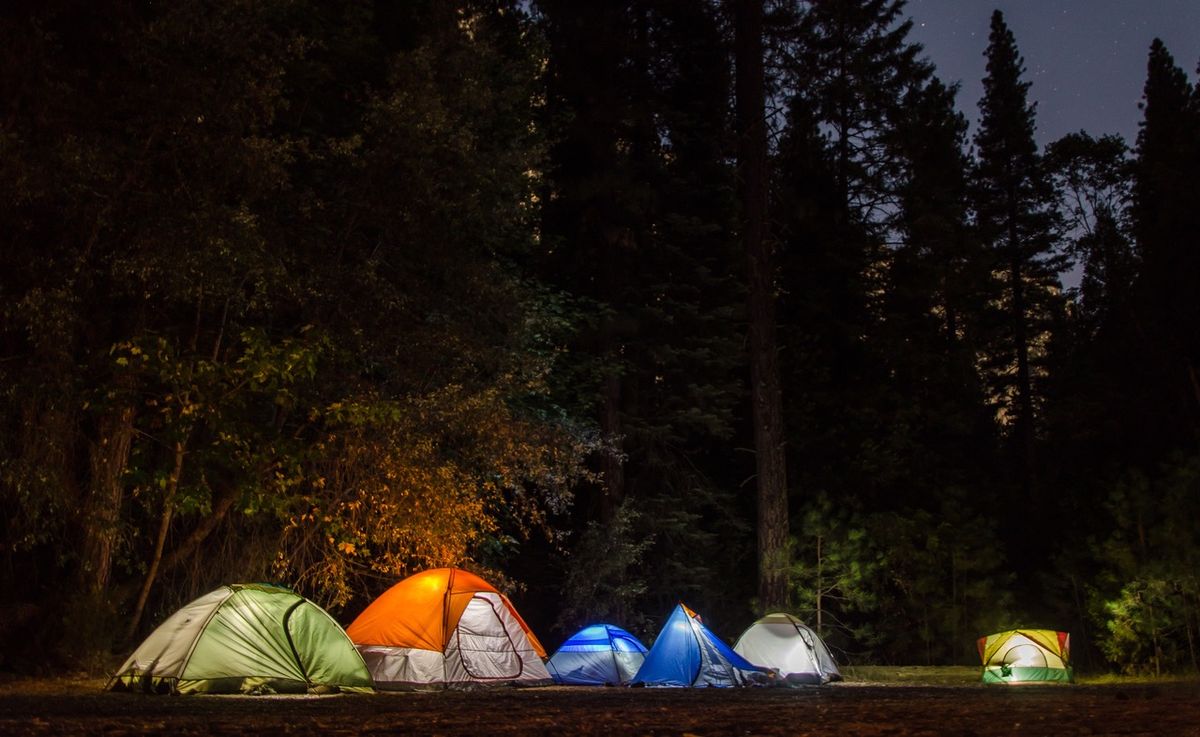
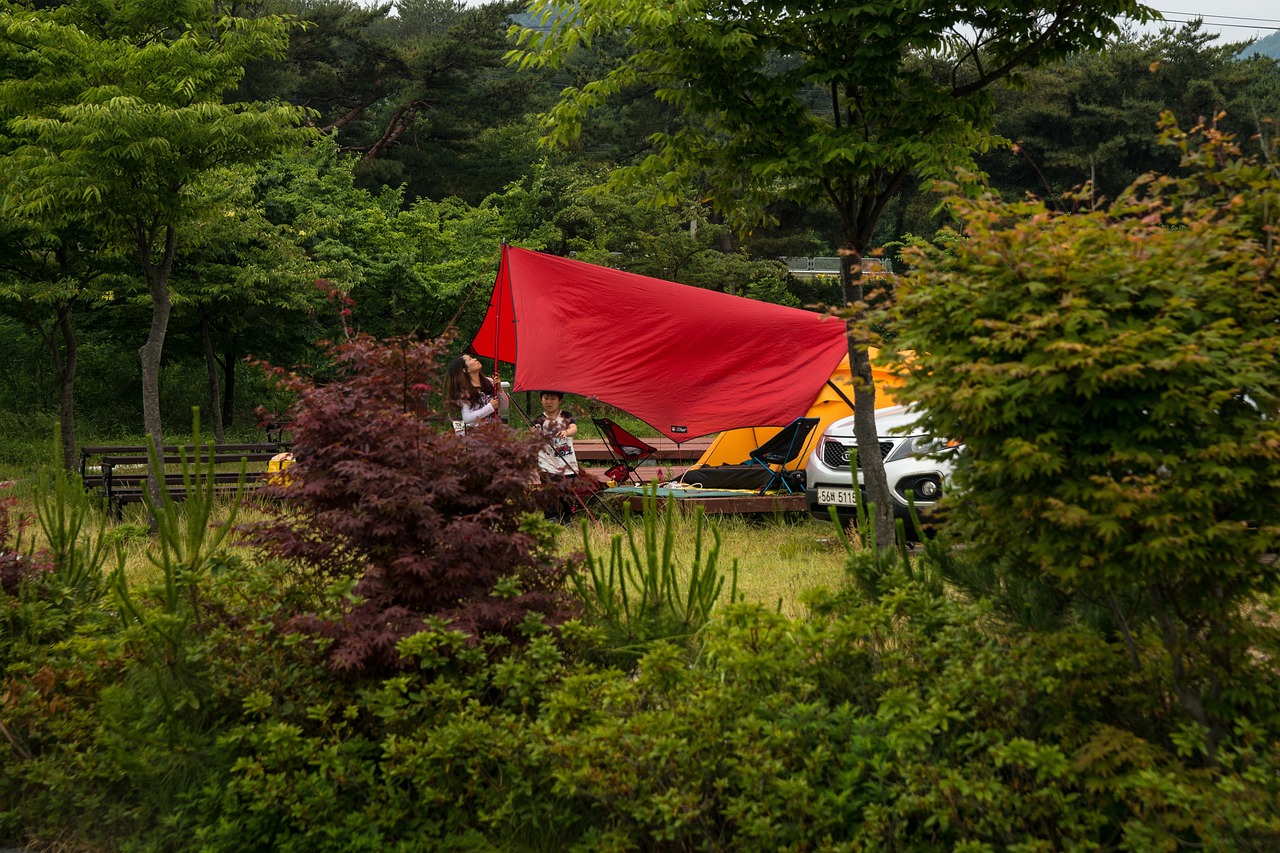
Picture this: It’s Friday evening. You load up the car and drive a couple hours to a quiet campground in the woods. You pull up to your site, pop the tent, unfold the canopy, set out the chairs — and before you know it, your kids are already chasing butterflies across the lawn. By evening, there’s a campfire going, someone’s toasting marshmallows for S’mores, and the stars are so bright you can’t stop staring. Saturday morning, you wake up to birdsong, brew some coffee, take a short walk on a nearby trail, and head home Sunday afternoon feeling completely fulfilled.
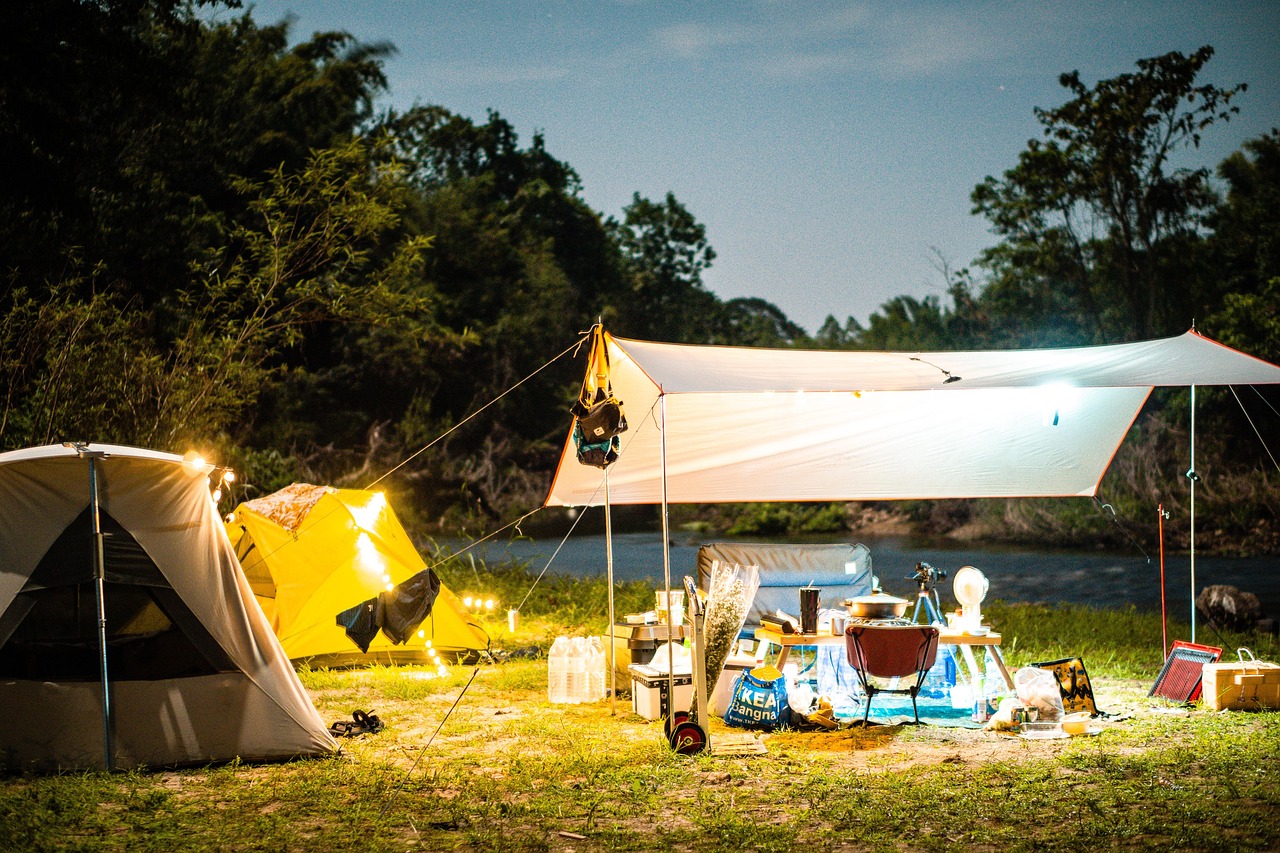
That’s what I call “Car Camping Lite” — driving to a well-equipped campground, bringing your own tent and gear, and enjoying the outdoors without giving up basic comfort and safety.
💡 What is Car Camping? It’s exactly what it sounds like — camping you can drive to. No 40-pound packs, no hiking miles into the wilderness. Your car is your gear hauler. Park right next to your campsite, set up the tent a few steps away, and everything you need is in the trunk, within arm’s reach.
Why I recommend Car Camping Lite for families
When most people think of camping, they picture one of two extremes: a fancy RV resort where you barely step outside, or a backpacker’s rugged trip where you eat freeze-dried dinners and wash socks in a stream. Both are amazing — for the right people, at the right time. But for families just getting started? Neither is ideal.
Car Camping Lite hits the sweet spot right in the middle.
🛡️ Safety first — non-negotiable when kids are involved
Booking a managed campground — like KOA, a state park, or a National Forest site through Recreation.gov — gives you a lot more than just a patch of dirt:
- ✅ Clean restrooms and showers — You will thank every star for this. Seriously.
- ✅ Running water and electricity — Your phone stays charged, the coffee stays hot, and the kids aren’t scared of the dark.
- ✅ Campground hosts and ranger patrols — Someone’s watching the perimeter so you don’t have to be on duty 24/7.
- ✅ Bear boxes for food storage — Keeps the wildlife (and curious toddlers) out of your snacks.
- ✅ Emergency access — Because Murphy’s Law applies to camping too.
For families with children, this peace of mind alone is worth the campsite fee. You can let your kids run around the campground without hovering like a helicopter parent every 30 seconds. Okay, maybe every 60 seconds. But still.
🎒 Gear that actually fits in your car
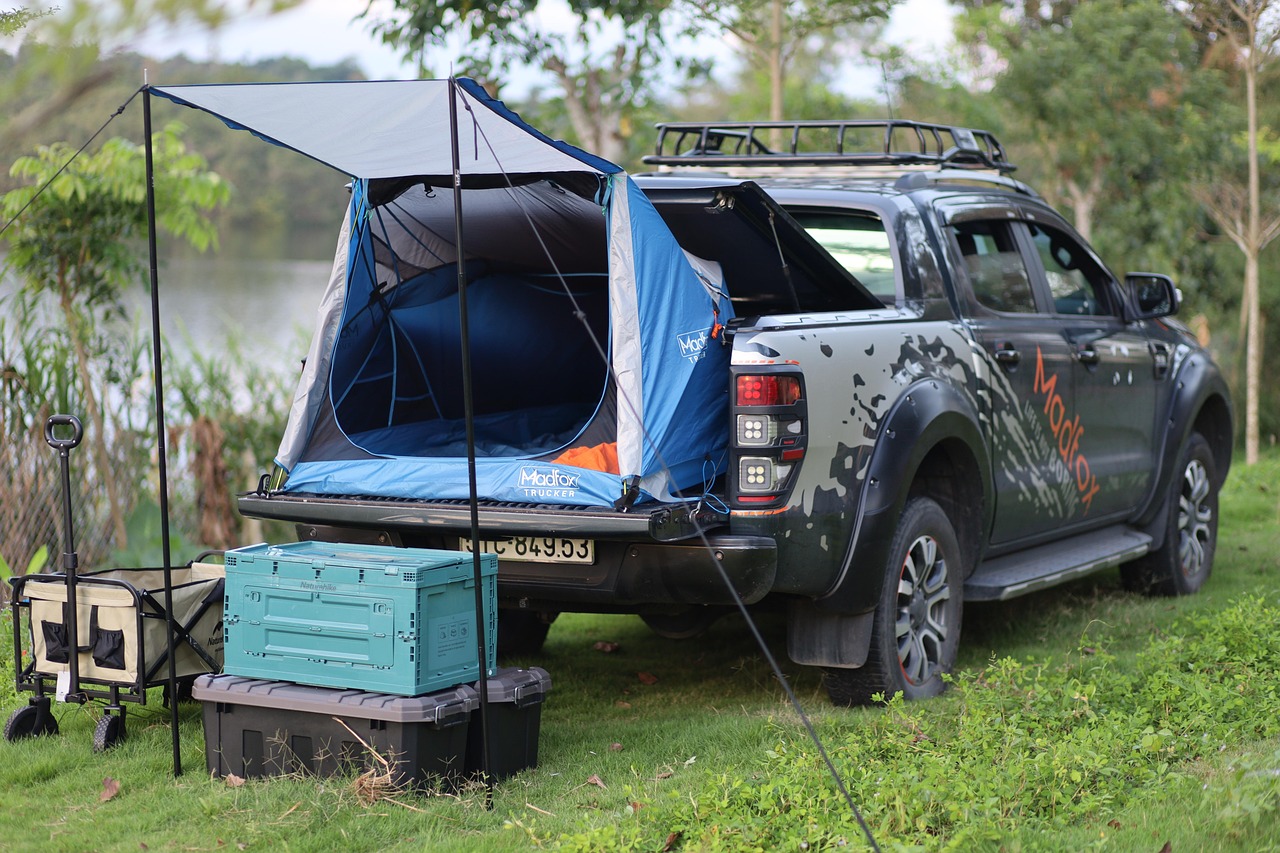
Here’s the beauty of car camping: your car IS your gear hauler. You don’t need to Marie Kondo your entire life into a 40-liter backpack. Just load it up and go.
Here’s what a typical family of four needs:
- ⛺ Tent (4–6 person): $150–$400
- 🌤️ Canopy / sun shade: $50–$150
- 🪑 Folding chairs + table: $50–$150
- 🛒 Wagon (the unsung MVP of family camping): $80–$200
- 🔥 Portable stove + cookware: $50–$150
- 🧊 Cooler: $30–$100
- 🍕 Food, snacks, drinks: $50–$150 per trip
- 🛌 Sleeping bags + sleeping pads: $100–$300 per person
Total upfront investment: roughly $500–$1,500. That’s it. And almost everything on that list will last you years — not just a season or two, but actual years. Your tent isn’t quitting on you after five trips. Probably.
You don’t need a hitch. You don’t need a special driver’s license. You don’t need to learn how to reverse a 30-foot trailer into a tight campsite at dusk while your kids are melting down in the backseat.
👶 For kids, the magic is real
They get to crawl in and out of a tent like it’s a secret fort. 🏕️
They get to “help” set up the canopy (mostly by getting in the way, but they feel like they’re doing something important). 🛠️
They catch frogs by the creek and tell you it’s a “super rare dragon.” 🐸
They lie in their sleeping bags listening to crickets and ask you 47 times “what’s that noise?” 🦗
They spot a raccoon at dusk and the whole family screams with excitement while you fumble for your phone camera. 🦝
These are the moments they’ll remember when they’re grown up. Way more than another weekend at the mall. And the best part? None of this requires an RV.
Tent Camping vs RV Camping: The real cost breakdown
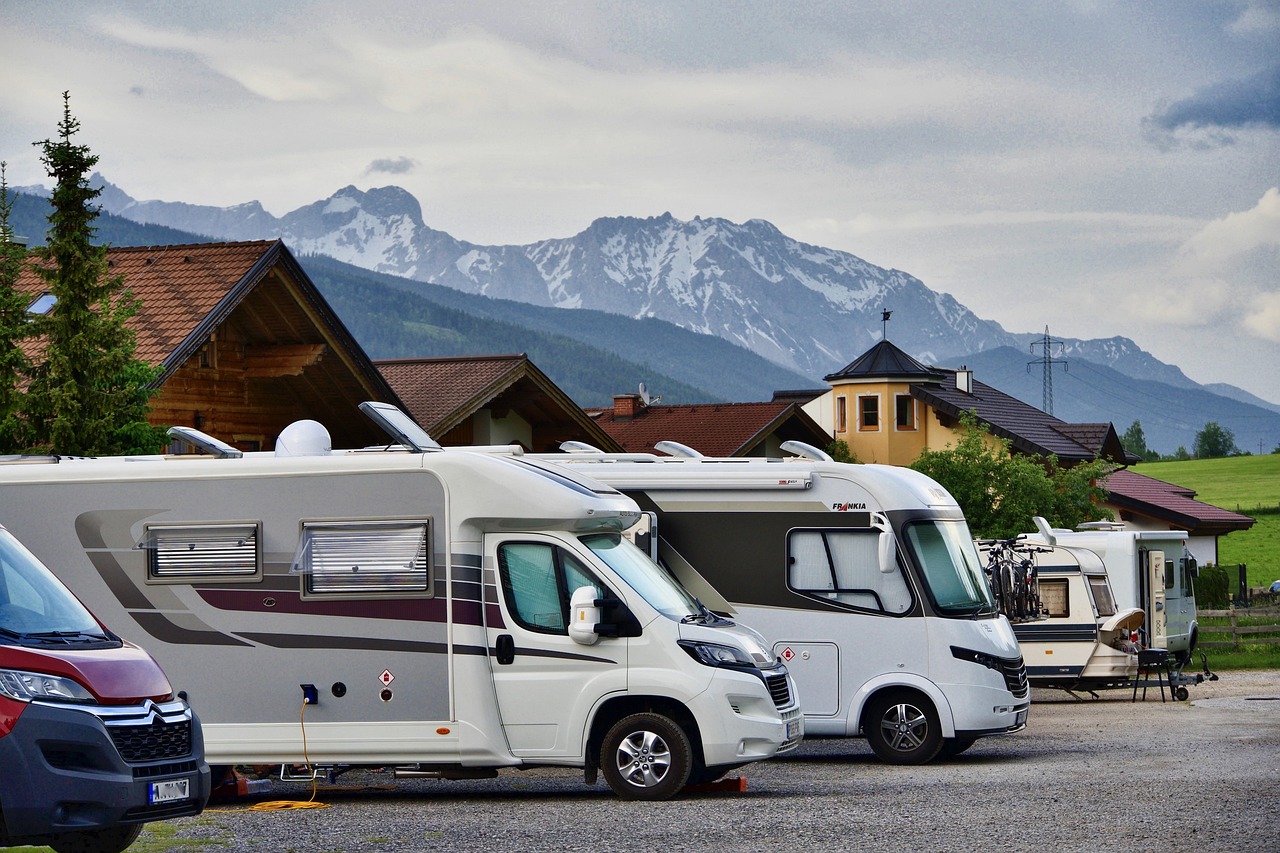
Alright, I know what you’re thinking: “But RVs are so convenient!”
And they are. You can bring more stuff. You can sleep inside when it rains. You have a real kitchen and a real bathroom. I get the appeal.
But here’s the thing about convenience: it comes with strings attached.
💸 Cost comparison: Tent vs RV
| Item | Car Camping (Tent) | RV Camping |
|---|---|---|
| Upfront cost | $500–$1,500 (gear) | $15,000–$100,000+ (new RV) |
| Rental (first try) | Free (borrow gear) | $100–$300 / weekend |
| Campsite fees | $20–$50 / night | $30–$80 / night (RV sites) |
| Fuel efficiency | Normal car MPG | 8–15 MPG (ouch) |
| Insurance & maintenance | N/A | $1,000–$5,000 / year |
| Parking / cleaning / special permits | None | Yes (RV-specific) |
Source: Average US campground rates 2025–2026 (Recreation.gov, KOA, State Parks)
🚐 The hidden costs of RV life
A decent travel trailer starts around $15,000–$20,000 used. A new Class B camper van? More like $60,000 minimum. Even renting for a weekend will run you $150–$300 before you even get to the campground.
Then there’s the driving experience:
- Wide turns — You’ll never forget your first time through a toll booth in a 30-foot trailer. Neither will the drivers behind you.
- Longer braking distance — Cars behind you will give you plenty of room. They know.
- RV-specific campsite requirements — Backing into a site at dusk while your kids are melting down is a skill. YouTube tutorials help. Therapy helps more.
- Hookup management — Water, sewer, electric. You’ll watch at least three YouTube videos before your first RV trip. I guarantee it.
For a first-time camping family, all this added complexity just distracts from the fun. Your weekend was supposed to be about sunset views and hiking trails, not troubleshooting your grey water hose.
🏕️ The long-term advantage of tent camping
Tent camping’s cost structure is completely different: most of the money is spent upfront, one time. That $1,000 in gear? It’s an investment. Year two, your only costs are campsite fees — $20 to $50 a night, depending on where you go. Over time, the per-trip cost of tent camping is dramatically lower than RVing.
And the flexibility? Unmatched. Want to visit Yosemite this weekend? Just drive. Want to check out Zion? Same. The only limit is your gas tank and your kids’ patience for the car ride.
💡 Money-saving tip: The US has enormous areas of BLM (Bureau of Land Management) land where dispersed camping is completely free in designated zones. No amenities, but no fees either. Once you’ve got 10+ car camping trips under your belt, give it a try. Just bring extra water.
When should you upgrade to an RV?
After a decade of camping, here’s my simple rule of thumb:
Stick with Car Camping Lite if:
- ✅ Most trips are 2–3 day weekends
- ✅ Destinations are within 3 hours of home
- ✅ Kids are young (under 10) and need lots of attention
- ✅ You just want to try camping and see if your family loves it
Consider upgrading to an RV if:
- 🚐 You want to take trips longer than a week (cross-country road trips, anyone?)
- 🚐 You want to explore remote areas without tent campgrounds
- 🚐 You’ve done 20+ car camping trips and think “you know what, I want more”
- 🚐 You and your family are officially hooked on camping
The golden rule of RV upgrades: Get at least 10–15 car camping trips under your belt first. By then, you’ll have picked up all the skills that matter: how to choose a good campsite, how to pack efficiently, how to cook outdoors without burning dinner, how to keep kids entertained without screens. All of that transfers directly to RV life. And your tent, chairs, and stove? Still work just fine.
A few words of advice for first-time campers
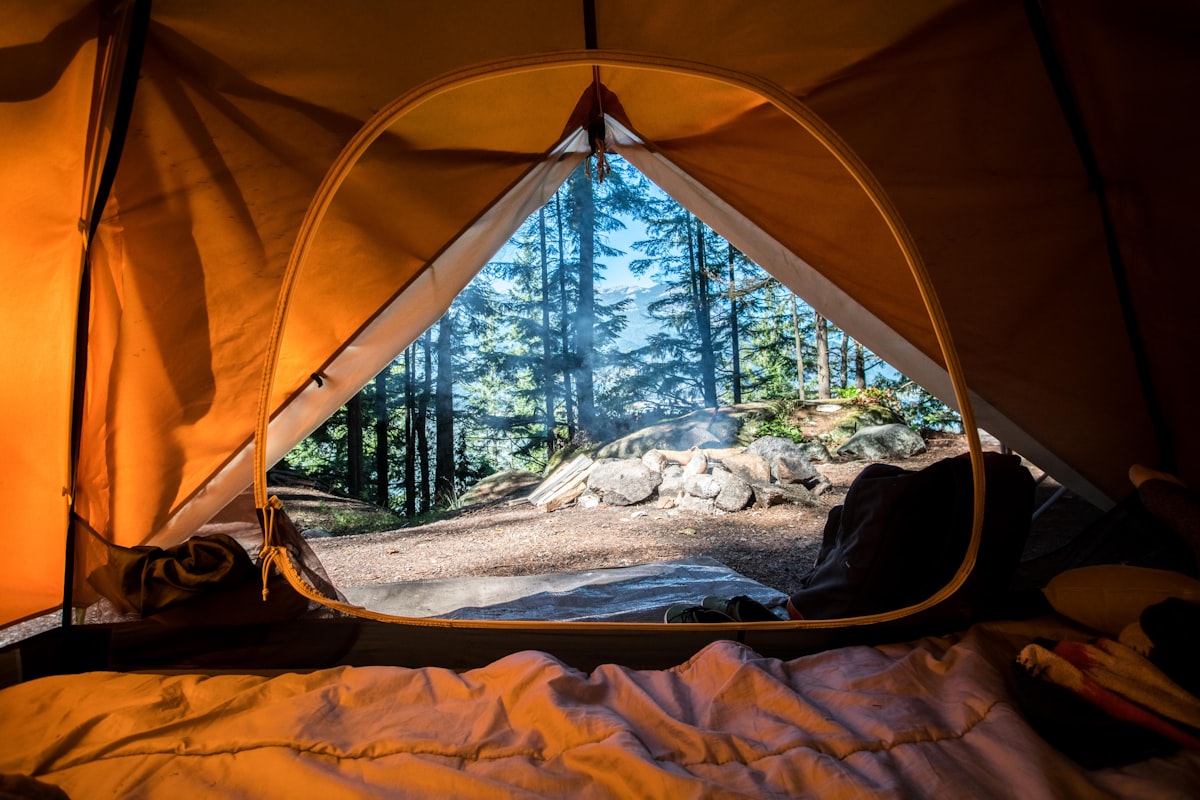
If you’re planning your first family camping trip this summer, here’s some honest-to-God advice from someone who’s made every mistake in the book:
- Book a KOA or state park campsite for your first trip. Established infrastructure means fewer things to stress about. You’re testing the waters, not climbing Everest.
- Do a practice tent setup in your backyard. Before you leave home. You will be so grateful when you’re not fumbling with pole sleeves in the dark with hungry, tired kids.
- Pack one more layer than you think you need. Even in summer. Mountain weather changes fast, and there’s nothing worse than a cold, miserable kid at 9 PM when the nearest store is 30 minutes away.
- Bring activities that don’t depend on Wi-Fi. Bubble wands, bug catching kits, nature scavenger hunts — these are the things that turn “boring downtime” into “adventure.”
- Lower your expectations. Your first trip won’t be perfect. Someone will cry. The tent might leak. Dinner might be burnt. But those messy, imperfect memories? Those are usually the funniest ones later.
The bottom line
Camping has never been about what material shell you sleep in.
It’s about stepping away from the daily grind with the people you love most. It’s about the smell of pine needles and campfire smoke. The sound of a creek. The feeling of cold water from a mountain spring on your hands. The stars — the real stars, not the ones on your Netflix homepage.
Car Camping Lite makes all of that accessible at the lowest possible barrier. You don’t need to mortgage the house for an RV. You don’t need to spend months researching gear. You don’t need to be a survival expert.
You just need a car, a tent, people you enjoy being stuck with in the rain, and a reason to get outside.
Pick a good campsite. Load up the car. Grab your family. This weekend.
You’ll be amazed at how much joy you can fit into 48 hours and a $50 campsite fee.
After 10+ years of camping, the only constant truth I’ve found: always bring an extra sleeping bag. Not because you’ll be cold — but because your kids will steal yours. Every. Single. Time.
📎 Resources
- Recreation.gov — Book federal campgrounds nationwide (National Parks, National Forests, etc.)
- KOA Campgrounds — America’s largest chain of family-friendly campgrounds