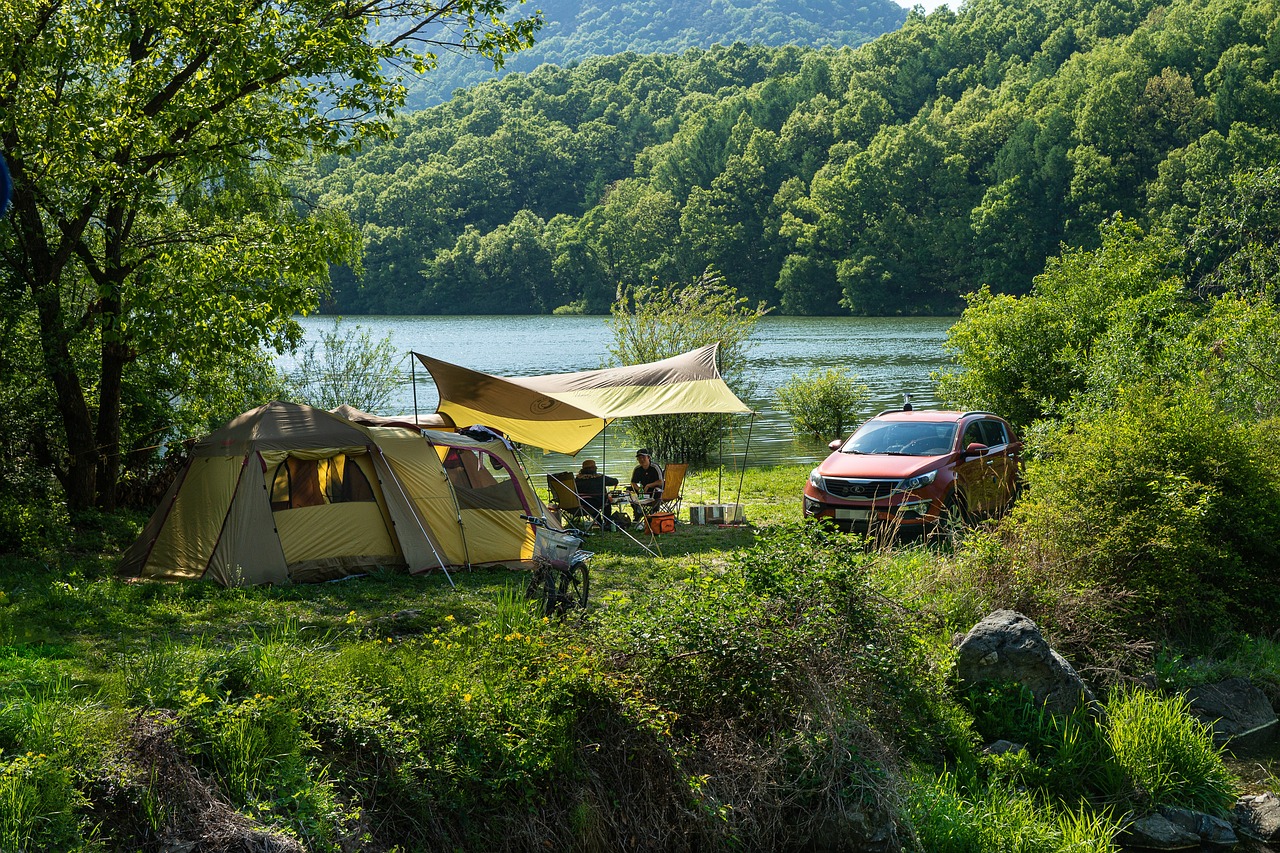
You know that camper. You pull into a campground, and within 30 seconds you can tell: their site is already spilling into the road, they’ve got a generator running at 7am, their dog is off-leash, and they’re blaring classic rock like they’re at a tailgate party, not a family campground.
We’ve all been that camper. At least once. I once showed up at a state park in Utah, unrolled my tent across half the pad, and left my cooler on the picnic table while I went for a hike. A park ranger gently — very gently — suggested I might want to rethink some choices.
I learned. And after 10+ years on the campground, here are the rules I wish someone had handed me on day one.
Rule 1: Keep It Down (Seriously)
This is the number one complaint at every campground I’ve ever visited. People think because they’re “outdoors” they can talk loud, play music, or run a generator at dawn.
Quiet hours exist for a reason — usually 10pm to 7am. During those hours:
- Keep voices at conversational level, not stadium level
- No generators unless the park explicitly allows 24-hour use
- No stereos outdoors (headphones exist, and they’re great)
- Kids running through sites at 11pm? Nope.
Even outside quiet hours, be mindful. The person next to you might have a newborn, a headache, or just really want to hear the owls. Use your inside voice — outdoors.
Rule 2: Respect the Site Boundary
Every campsite has a defined pad, table, and fire ring. Stay on your side.
I’ve seen people from neighboring sites wander through someone else’s camp to get to the restroom. I’ve seen coolers, chairs, and even tents encroaching on the next site. It’s awkward for everyone.
If you need to talk to your neighbor, walk around the road — not across their site. And if your kid’s football goes flying onto the next pad, ask before you trample their firewood to retrieve it.
Rule 3: Pack Out Everything You Brought In
This should be obvious, but apparently it isn’t. If you brought it, take it home.
That includes:
- Trash — all of it. Even the little stuff like twist ties and tea bags
- Food scraps — apple cores, banana peels, leftover pasta. They don’t belong in the woods
- Grey water — dishwater goes in the sink at home, not on the ground
- Firewood — don’t leave your half-burned log for the next guy. Use it or scatter the ashes
Leave No Trace isn’t just a bumper sticker slogan. It’s how we keep campgrounds open for the next family. A clean site when you leave says more about you than any gear you brought.
Rule 4: Leash Your Dog and Clean Up After Them
I love dogs. I camp with dogs. But there’s a difference between a dog that minds its business and one that runs into the neighboring camp looking for free food.
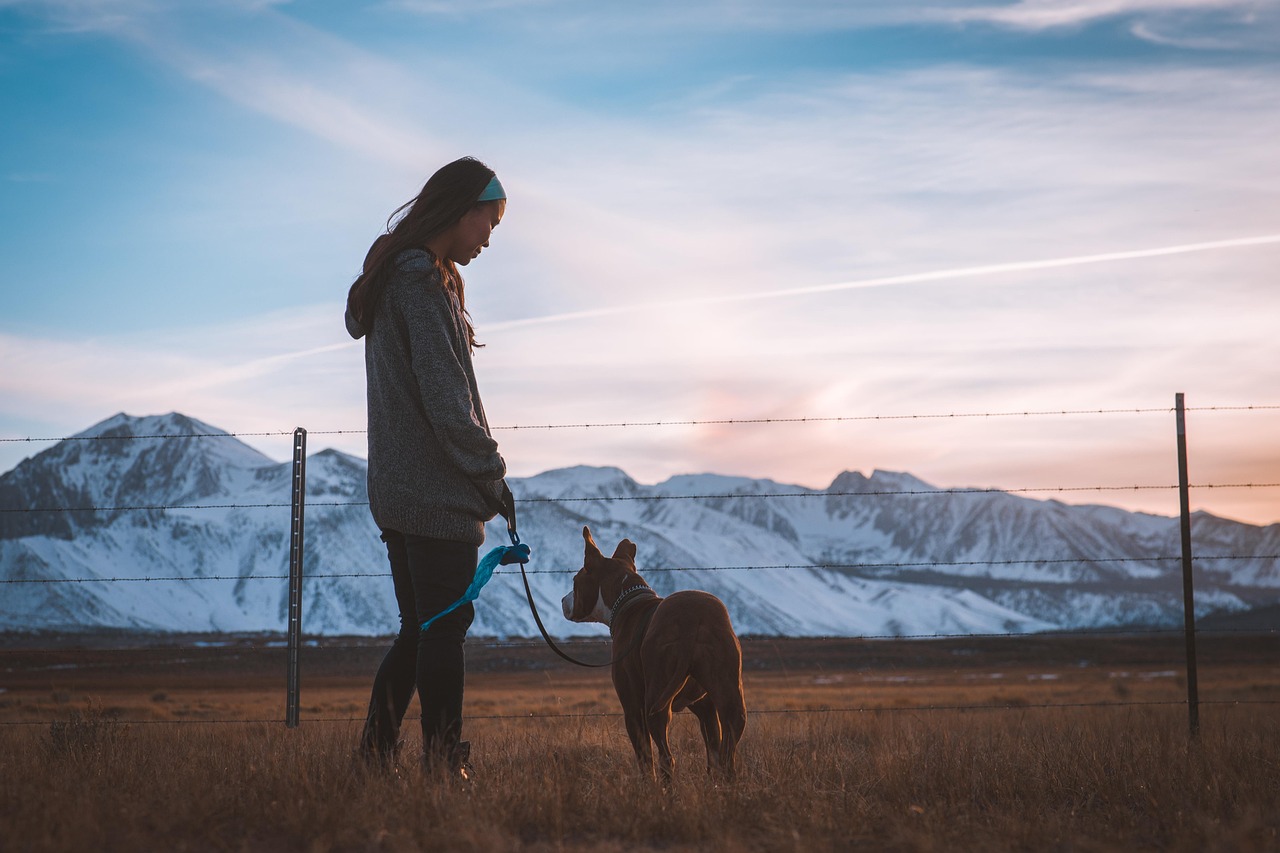
- Leash laws are not suggestions. Keep your dog on a 6-foot leash at all times
- Pick up the poop. Every time. Even if you think “nobody saw that”
- Don’t let your dog bark at every person who walks by. If your dog is that vocal, camp further from the loop
- Respect that not everyone likes dogs. Your fur baby isn’t everyone’s best friend
Rule 5: Fire Etiquette Is Non-Negotiable
Campfires are the best part of camping. But they’re also the easiest way to ruin someone else’s trip — or the whole forest.
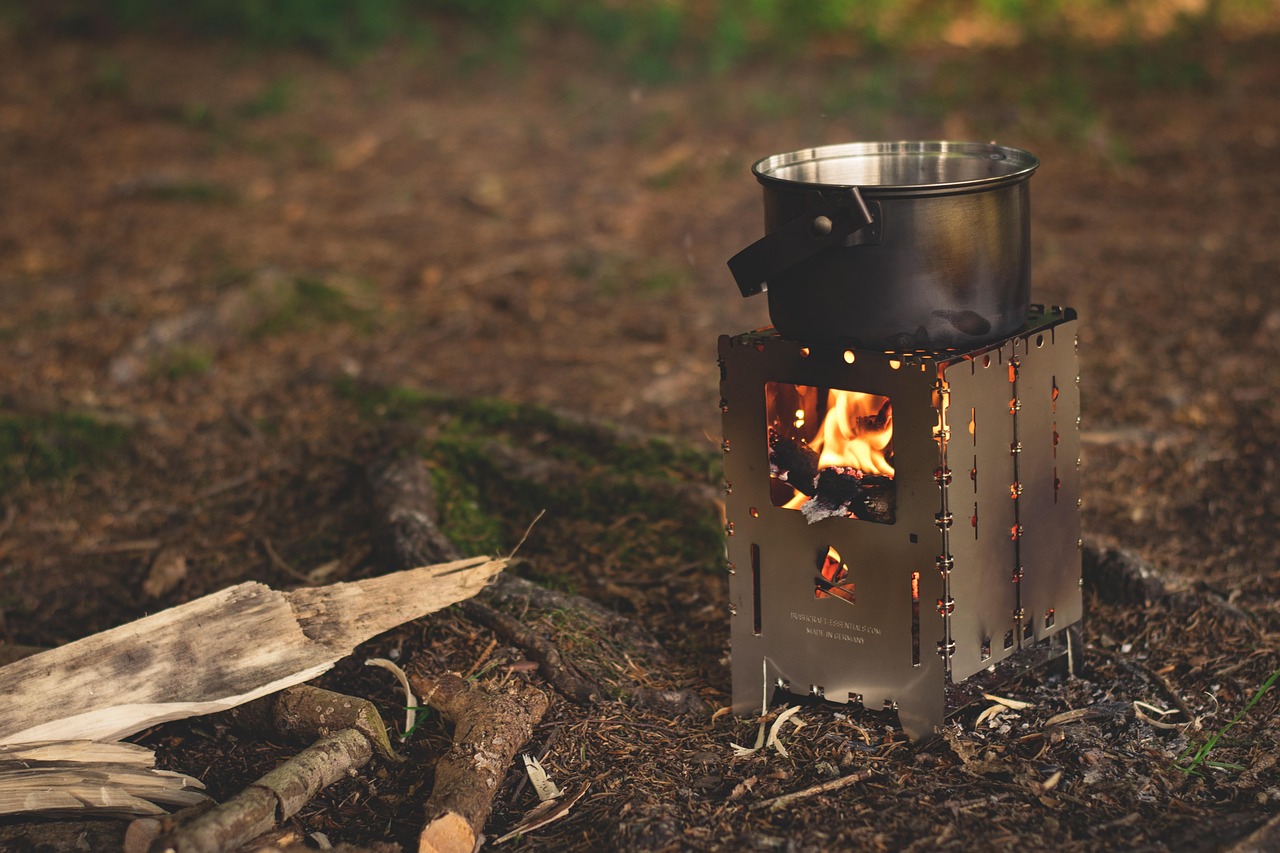
- Use established fire rings only. Don’t build a new one
- Keep it small. A bonfire is not “atmosphere” — it’s a hazard
- Put it OUT. Cold to the touch. I mean it. Pour water, stir the ashes, pour again. If you can run your hand through the ashes, it’s not out
- Don’t burn trash — plastic, foil, packaging. It smells terrible and releases toxins
- Don’t gather dead wood if the park says not to. Bring your own or buy local
Rule 6: Drive Carefully — This Is Not the Indy 500
Most campgrounds have speed limits of 5 to 10 mph. There’s a reason: kids, dogs, and cyclists are everywhere.
Slow down. Watch for kids chasing each other around the loop. Stop for geese crossing the road. Be patient when someone is backing their huge RV into a tight spot. Nobody likes the guy who zooms past everyone’s site like they’re late for a flight.
Rule 7: Be a Good Neighbor (Even If You Don’t Like Them)
You don’t have to be best friends with the people next to you. But a little courtesy goes a long way:
- A friendly “hello” when you arrive goes further than you’d think
- If they’re being loud, address it politely first. A friendly knock and “hey, we’ve got a baby sleeping” usually works better than a complaint to the ranger
- Share what you can. Extra firewood, a handful of marshmallows, a campfire story. Community is what camping is about
- If you’re leaving early, pack up quietly. Nothing says “I’m sorry I’m your neighbor” like clanging metal at 5am
The Golden Rule: Treat the Campground Like Your Living Room
Here’s my personal rule: before I do anything at camp, I ask myself — would I do this in my own living room with guests over?
Would I blast music at 7am in my living room? Would I let my dog run wild through my neighbor’s yard? Would I leave trash on my own coffee table?
If the answer is no, don’t do it at camp either. The campground isn’t just your space — it’s everyone’s. The best campers understand that their experience depends on everyone else’s experience being good too.
When Things Go Wrong
Let’s be real — you’ll probably mess up at some point. You’ll forget to leash your dog, or stay up too loud, or forget to put out your fire completely. It happens.
The difference between a good camper and a bad one isn’t perfection — it’s how you handle it. Apologize. Fix it. Do better next time.
Camping has a steep learning curve, and everyone’s been the newbie who didn’t know the rules. The community will give you grace — as long as you give it right back.
Bottom Line
Good camping etiquette isn’t about following a strict set of rules. It’s about awareness. Think about how your actions affect the people around you — and the land you’re on.
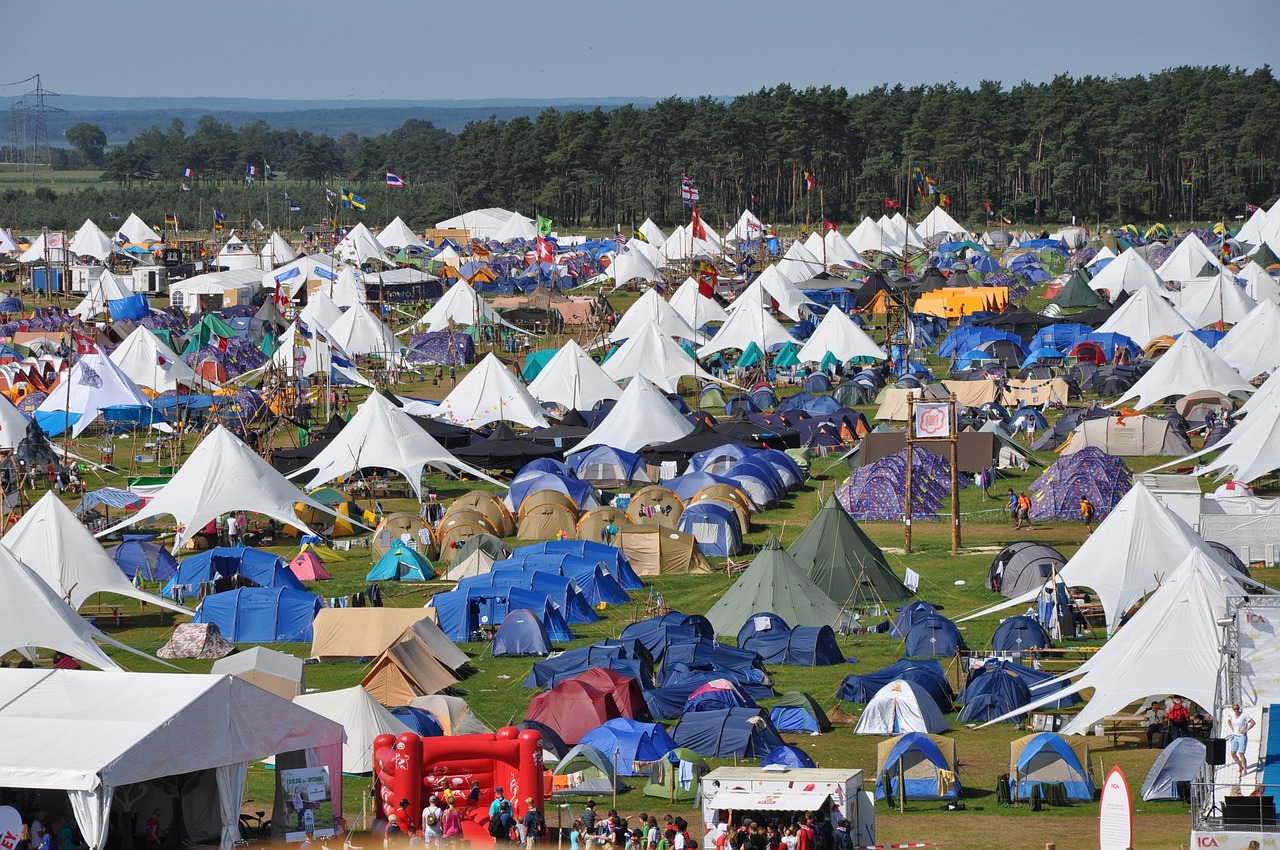
The campground is a shared space. Treat it with the same respect you’d want for your own backyard. Keep it clean, keep it quiet, keep your dog close, and keep the fire cold.
Follow those basics, and you’ll be the camper everyone hopes gets the site next to them.
Happy camping — and may your neighbors be as respectful as you are.