Introduction
Camping has exploded in popularity across America in recent years, and many families are itching to try it for the first time. I’ve been camping with my wife and kids for over a decade now — across dozens of states, every season, and yes, I’ve made just about every mistake you can imagine.
This article lays out the 7 tips I wish someone had told me before our first family trip. They’re practical, no-BS, and focused on one thing: helping you enjoy your time outdoors instead of stressing over things that don’t matter.
You don’t need to follow all of these perfectly. Camping is supposed to be fun, not another checklist to ace. Pick what works for you and leave the rest.
1. Plan Ahead — So You Can Actually Enjoy the Trip
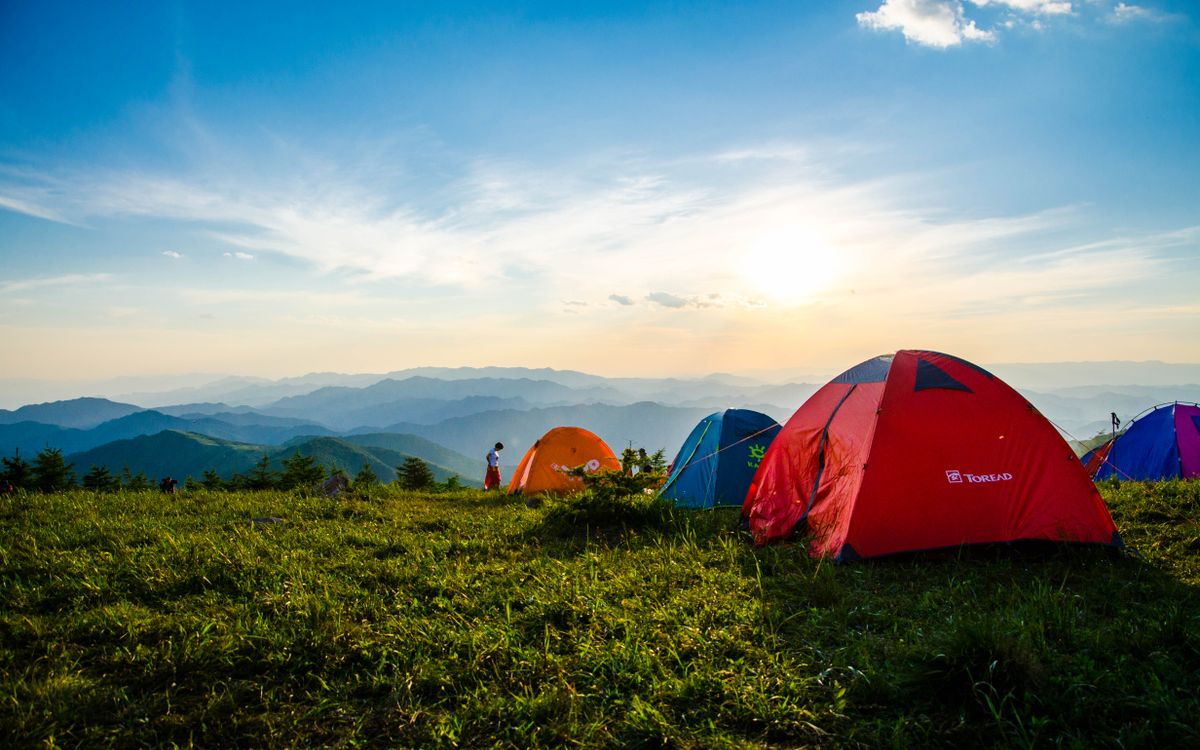
How you show up on day one sets the tone for the entire weekend. Showing up at 5 PM on a Friday with no food, a half-packed car, and a campsite you haven’t reserved? That’s a recipe for stress before you even unzip the tent.
Start your prep at least a week out. Make a list: gear, food, route, campsite amenities (water, electric, flush toilets), and — most importantly — the weather forecast. The more detailed your checklist, the more relaxed you’ll be when you hit the road. And book early. Popular campgrounds at national parks and state parks fill up months in advance, especially for summer weekends.
Pro tip: Keep a dedicated camping checklist on your phone. After a few trips you’ll tweak it into your own system. The goal is to stop thinking about whether you forgot something and start thinking about which trail you want to hike.
2. Practice With Your Gear at Home First
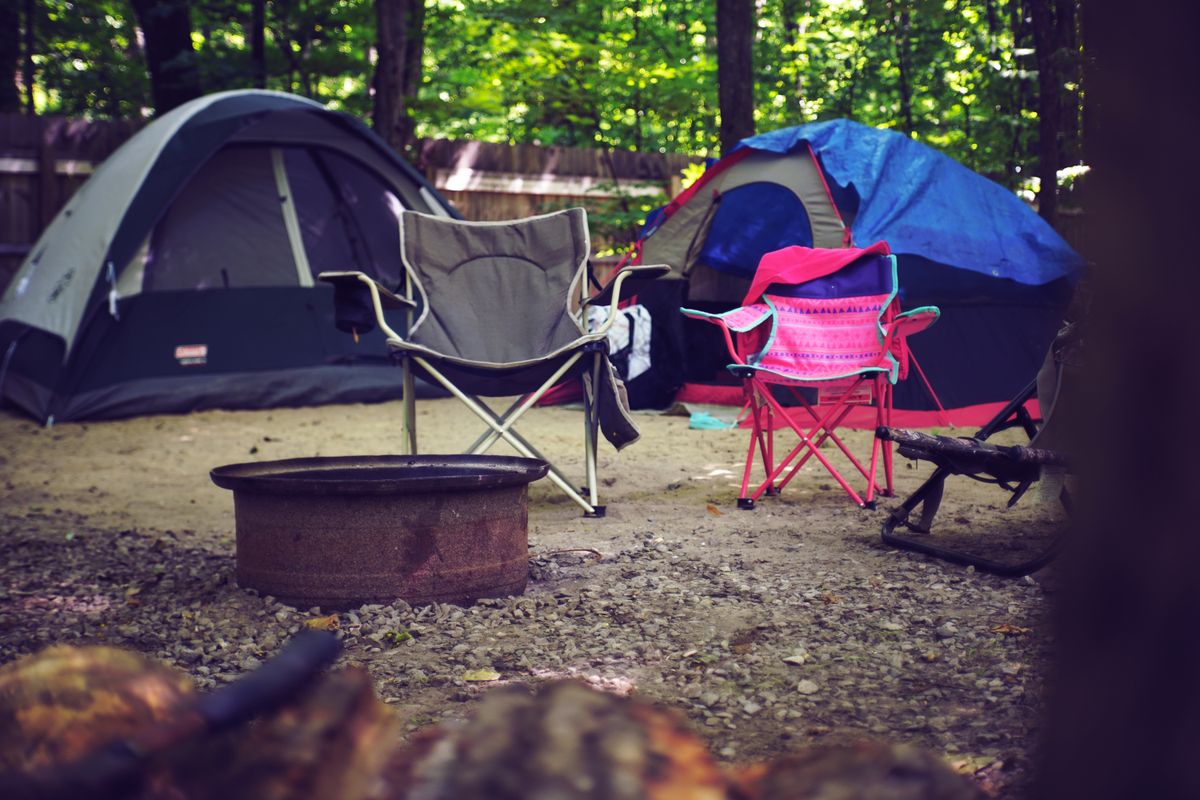
That shiny new tent, the canopy you just bought, the camp stove you’ve been eyeing — set them up in your backyard before you go. You don’t need to drive anywhere. Just 20 minutes in the yard will teach you more than an hour of fumbling in the woods.
You’ll be shocked at how long your first tent assembly takes. A half hour wouldn’t be unusual. The second time? Maybe five minutes. Knowing where each pole goes and how the rainfly attaches means you’ll spend your actual camping time relaxing, not reading an instruction manual by headlamp.
Even if you can’t do a full practice run, spend 10 minutes watching a setup tutorial on YouTube. Understanding the basics beforehand pays for itself ten times over.
Veteran take: I’ve watched more grown adults cry (figuratively… mostly) over tent poles than anything else in camping. Ten minutes of prep at home beats two hours of frustration at the campsite.
3. Choose the Right Campsite — Safety First
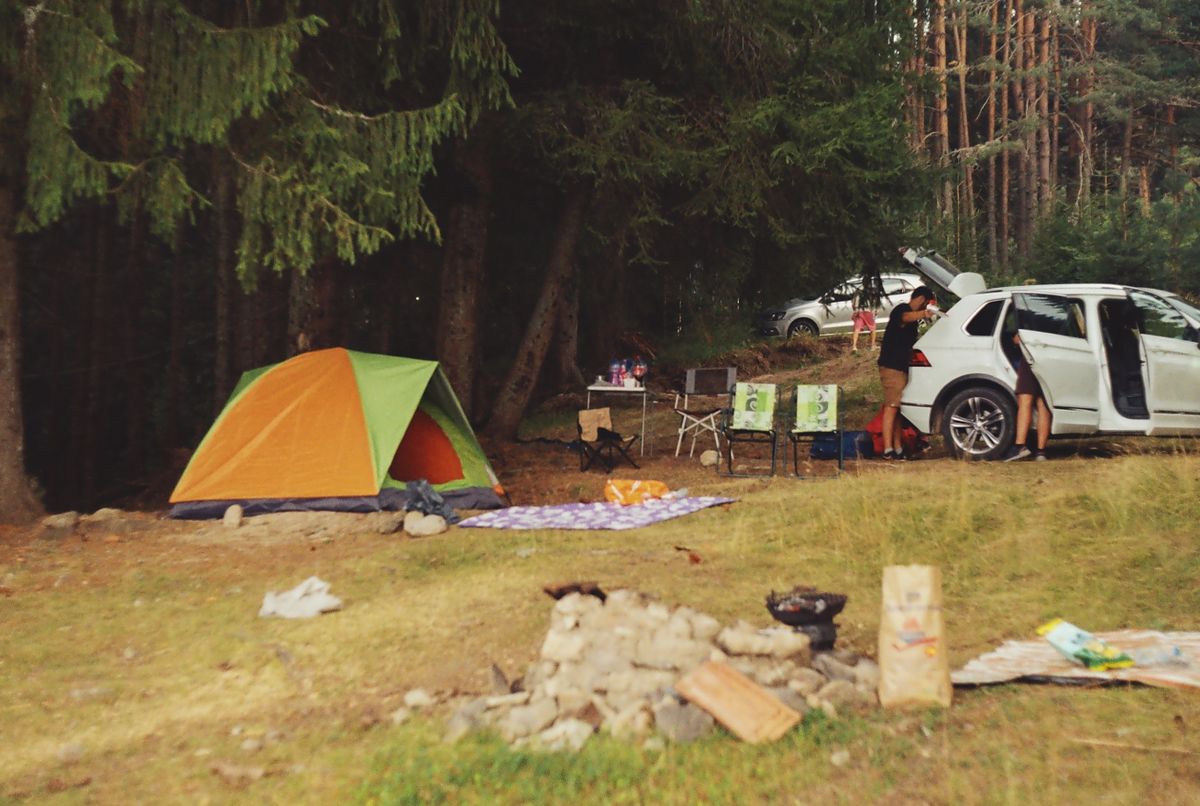
For your first few trips, stick to established commercial campgrounds. Places like KOA, privately owned RV parks, or well-maintained state park campgrounds have full amenities: flush toilets, potable water, electric hookups, and staff on-site who can help if something goes wrong.
If you want something a little quieter, state parks and national forest designated campgrounds are a great middle ground — basic facilities but still managed and safe. Dispersed backcountry camping (no facilities, no cell service) is amazing for experienced campers, but it’s a steep learning curve for a family’s first trip.
Remember this: When you’re with family, “safe” is infinitely more important than “adventurous.” A well-maintained campground with hot showers beats a “hidden gem” with no cell service and a sketchy access road, every single time.
4. The Kids Just Want to Be With You
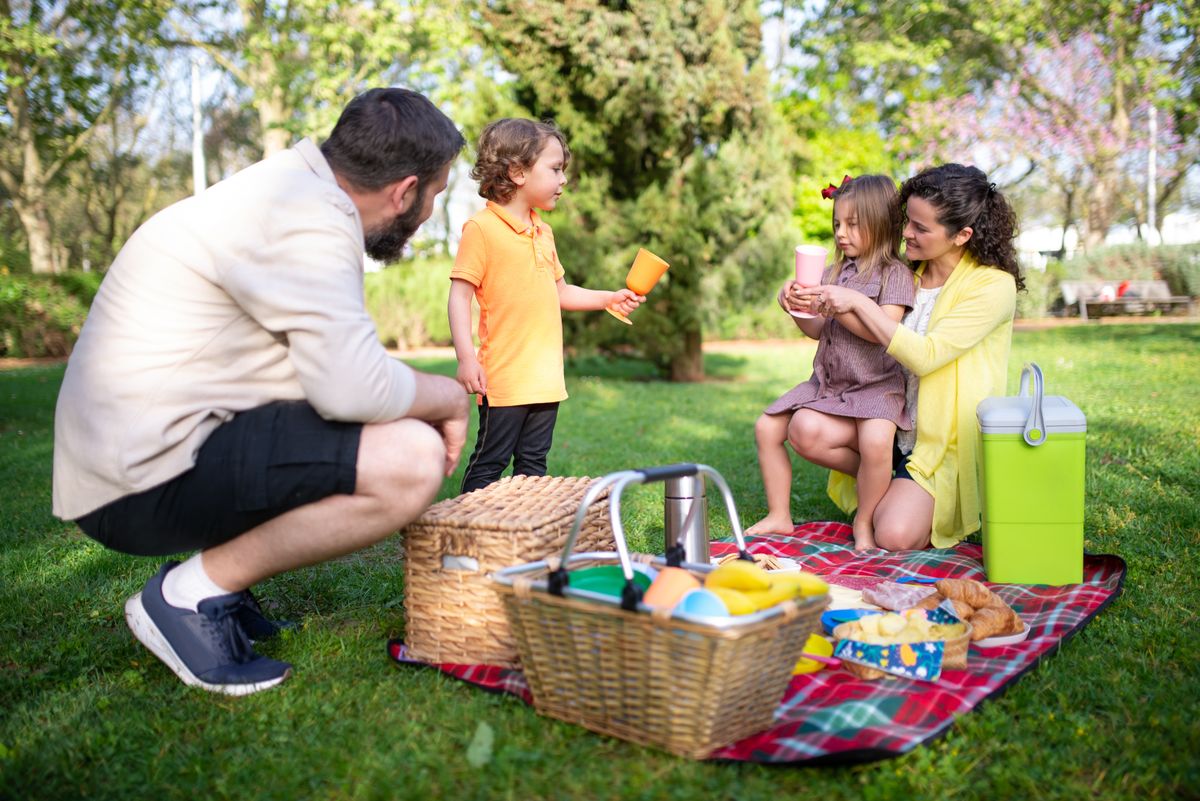
Here’s the thing about kids and camping: they don’t care about the five-star meals, the Instagram-worthy tent setup, or whether you hit the perfect hiking trail. They care about being with you, running around outside, and feeling like they’re part of something fun.
Bring a few outdoor toys — a Frisbee, a badminton set, bubbles, a bucket and shovel (always a bucket and shovel). If there’s a stream or lake nearby, a dip net and bucket will keep them occupied for hours. The most important thing is keeping them within sight at all times. Water, fire pits, steep drop-offs, and poison ivy are all real hazards at a campground.
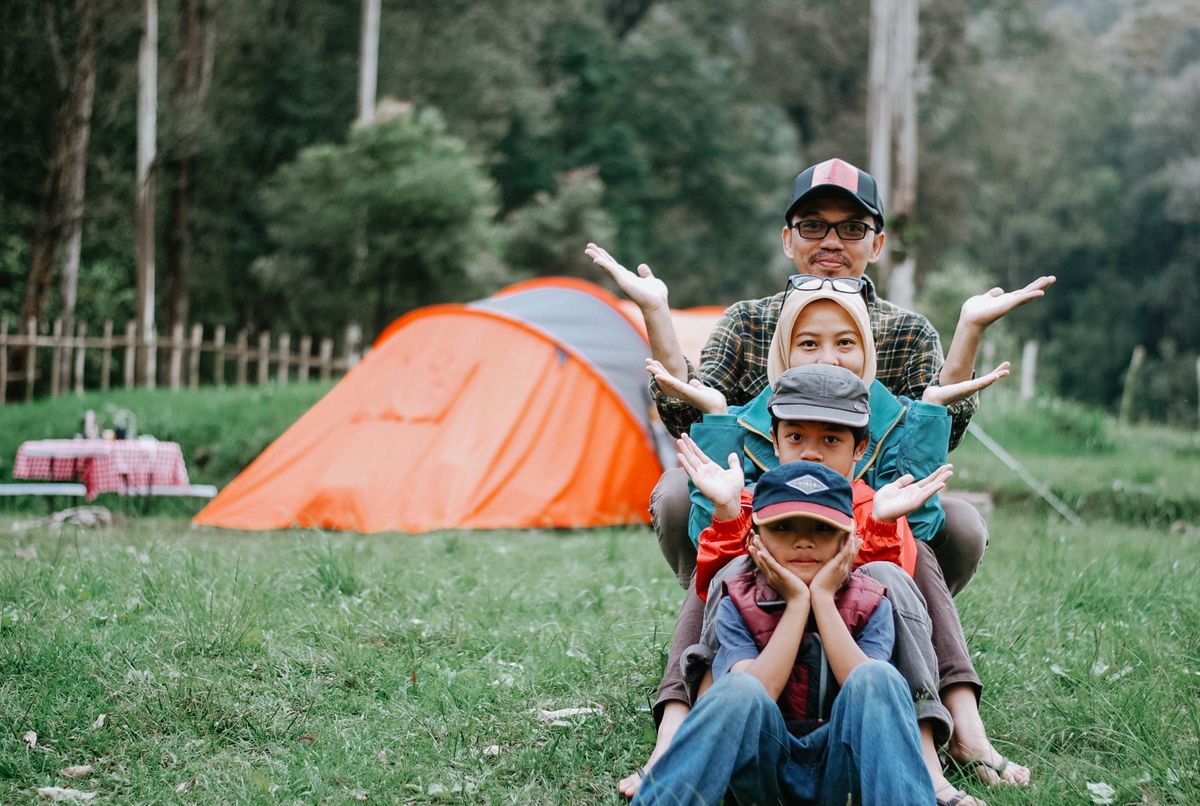
Hard truth: Put the phone down. Your kids won’t remember how many likes your campsite photo got, but they will remember the night you roasted marshmallows together and told stories under the stars. That’s the stuff that sticks.
5. Bad Weather Means Cancel or Reschedule
Some people swear by “rain or shine” camping. I get it — there’s something cozy about a tent in the rain. But for a family’s first trip, bad weather almost always leads to a miserable experience. Wet gear, a soggy tent, cold kids, and the entire weekend spent cooped up inside a 6x8 foot space? That’s not a memory anyone wants.
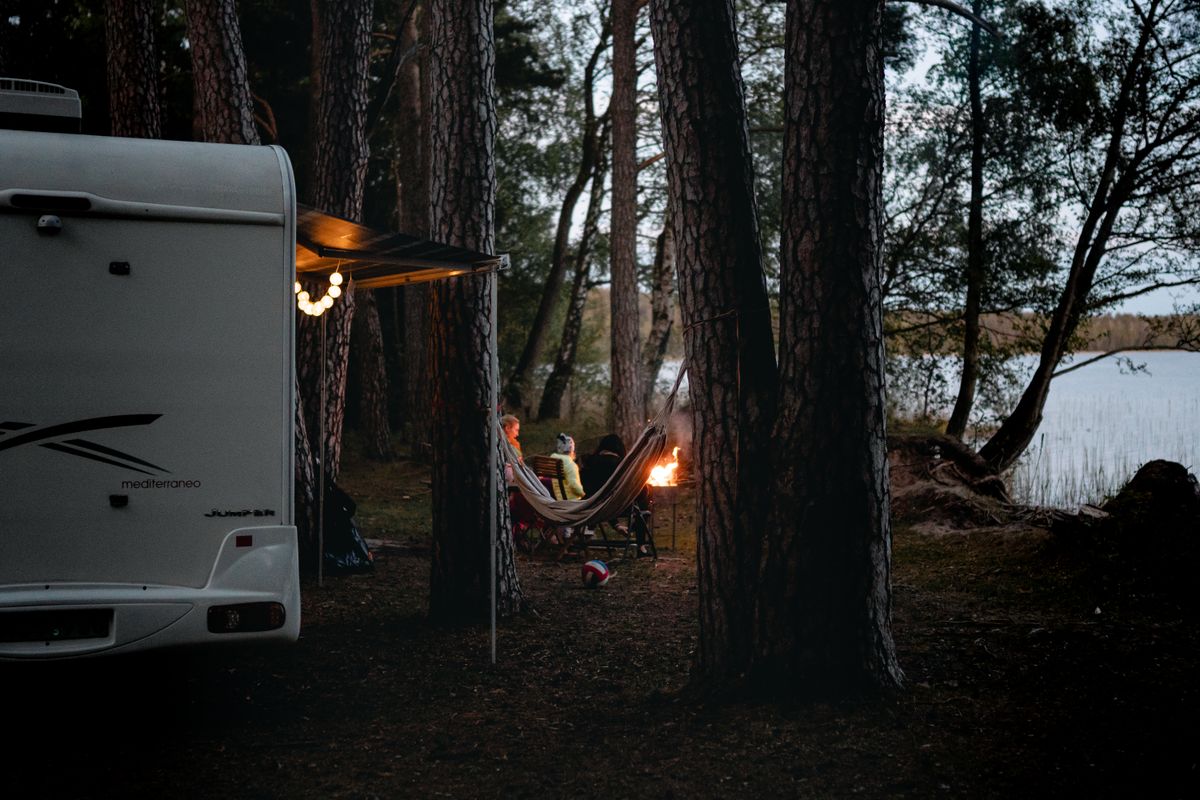
Check the forecast every two to three days as your trip approaches. If there’s a real chance of heavy rain, strong winds, or thunderstorms — reschedule. You’ve got a whole lifetime of camping ahead of you. One lost weekend is a small price to pay for a trip that’s actually enjoyable.
Seasonal note: Spring and fall are beautiful for camping, but temperatures can swing wildly. Nights can drop to near-freezing even when daytime hits 70°F. Pack warmer layers and a sleeping bag rated lower than you think you need. Better to have it and not need it.
6. Prep Your Meals Ahead — Keep It Simple
Most campgrounds are far from the nearest grocery store, and convenience store options are usually overpriced and underwhelming. Plan and prep your meals before you leave home. Marinate your meat and portion it into freezer bags. Wash and chop vegetables ahead of time. Cook rice or pasta at home so it’s ready to go.
The best camping meals are simple: foil packet dinners (literally everything wrapped in aluminum foil and tossed on the campfire), hot dogs, sandwiches, oatmeal with dried fruit, pasta with jarred sauce. You don’t need gourmet. A hot meal eaten together around the campsite is worth more than any fancy recipe.
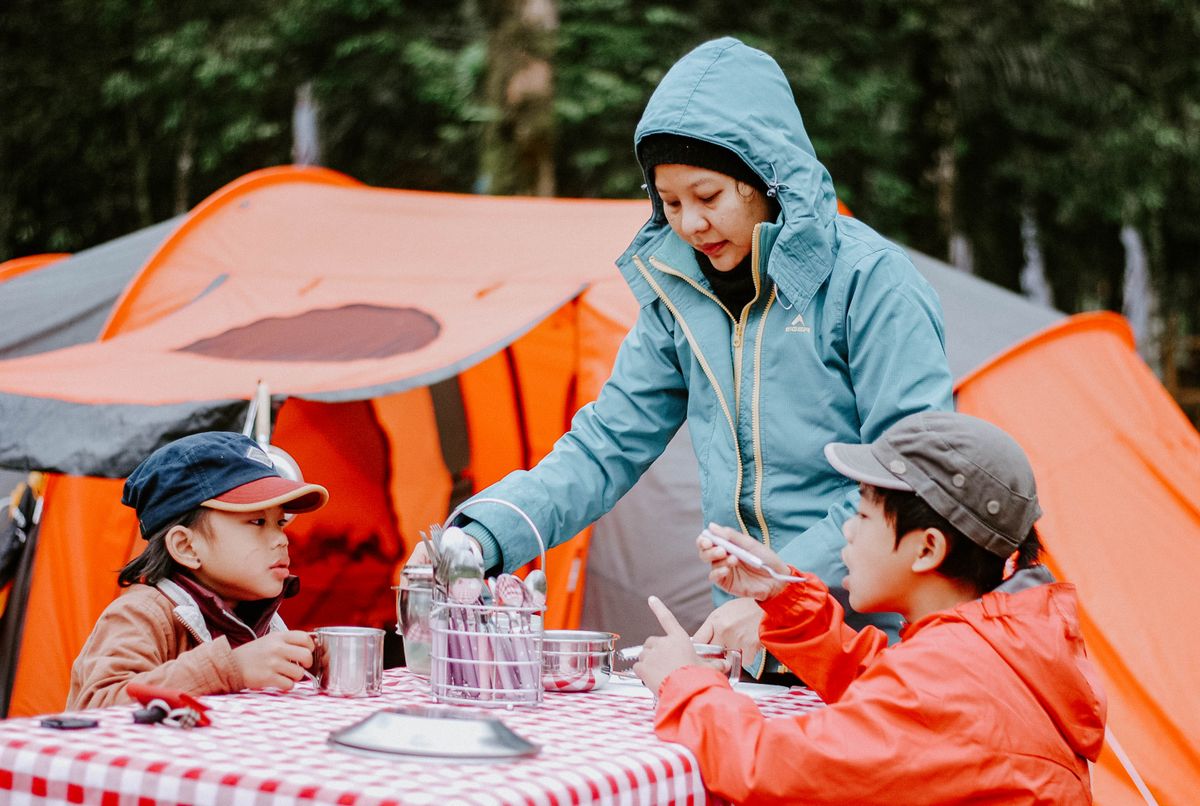
Water tip: Don’t assume the campground water is enough. Bring extra cases of bottled water — they double as ice for the cooler. If you’re boondocking, plan on roughly one gallon per person per day.
7. Keep a Good Attitude — It’s the Most Important Gear
Camping is not a hotel. Things will go wrong. A zipper will get stuck, the stove won’t light, you’ll realize you forgot the coffee filter at 6 AM. It’s all part of the experience.
When something breaks, take a breath. Laugh about it. Ask the neighbors in the site next door — campers are some of the friendliest people in America. If all else fails, Google it. Someone on YouTube has solved your exact problem at 2 AM in a sleeping bag.
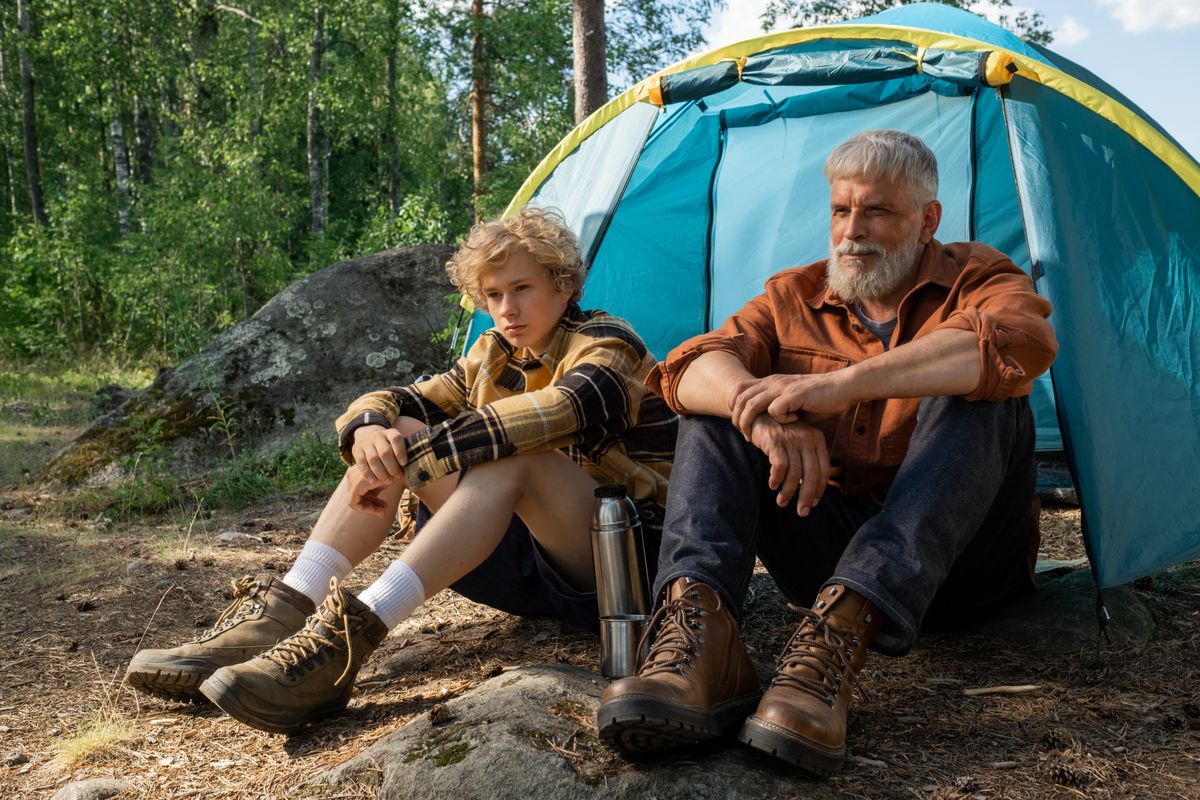
The real point of camping is to step away from the daily grind, get outside, and make memories with the people you love. The small mishaps are part of the story. A “perfect” camping trip only exists on Instagram. Relax, roll with it, and remember: you’re already doing great just by being out there.
Final Thoughts
If these 7 tips had a single theme, it would be this: be prepared, but don’t be rigid. Bring the right gear, do your homework, and then let go of the need for everything to go perfectly. Your first trip might be chaotic. Your second will be smoother. By your third trip, your kids will be the ones teaching the new campers in the next site over.
Every trip is a collection of moments you can’t get anywhere else. The marshmallow that fell in the fire. The game of cards by headlamp. The sound of your kid gasping when they see a deer across the meadow. That’s the stuff.
Go pick a campsite, pack the car, and go make some memories.
Happy camping! 🏕️
References & Resources
-
Leave No Trace — The Seven Principles of Leave No Trace — The gold-standard outdoor ethics framework every camper should know. Helps protect the places we love for future generations.
-
National Park Service — Camping Tips — Official camping guidance from the NPS, covering everything from campsite selection to safety and trip planning.