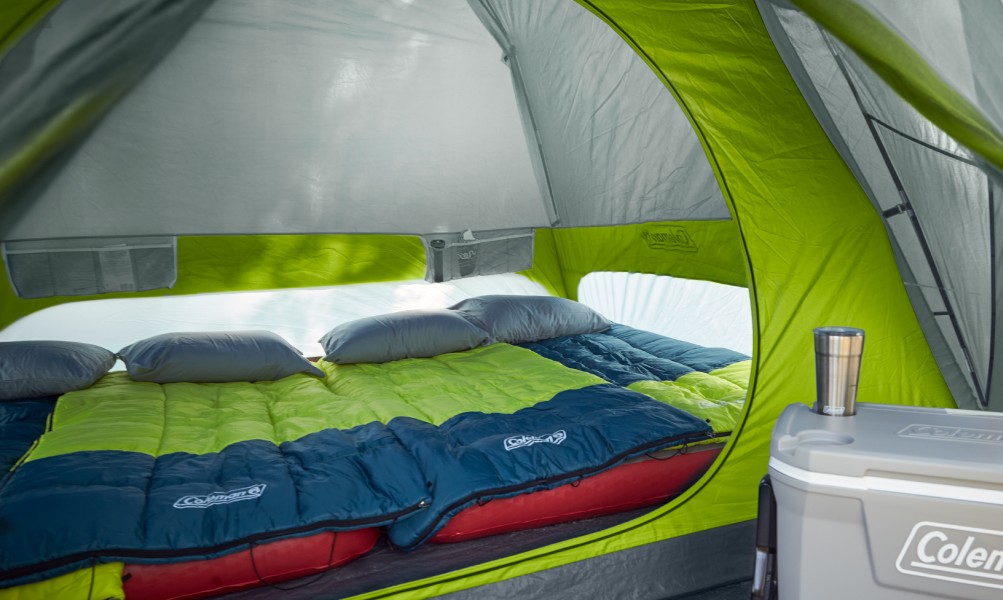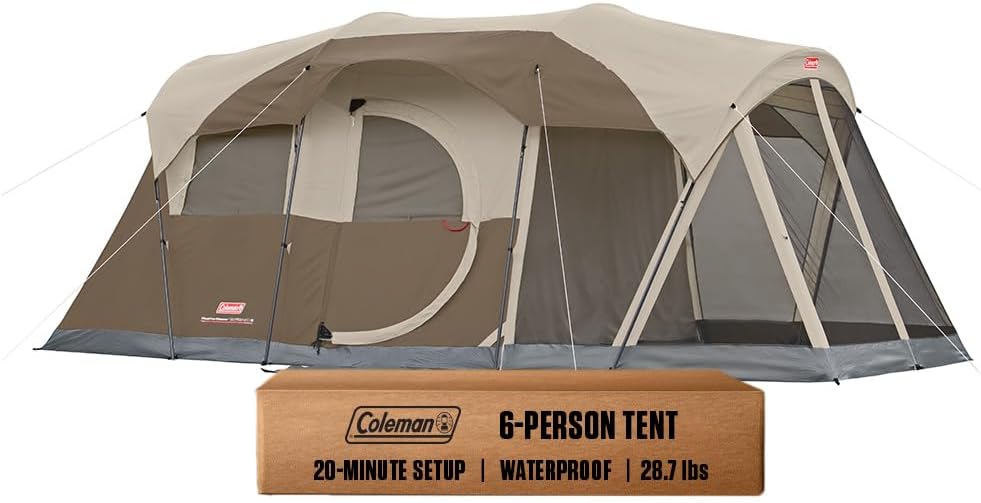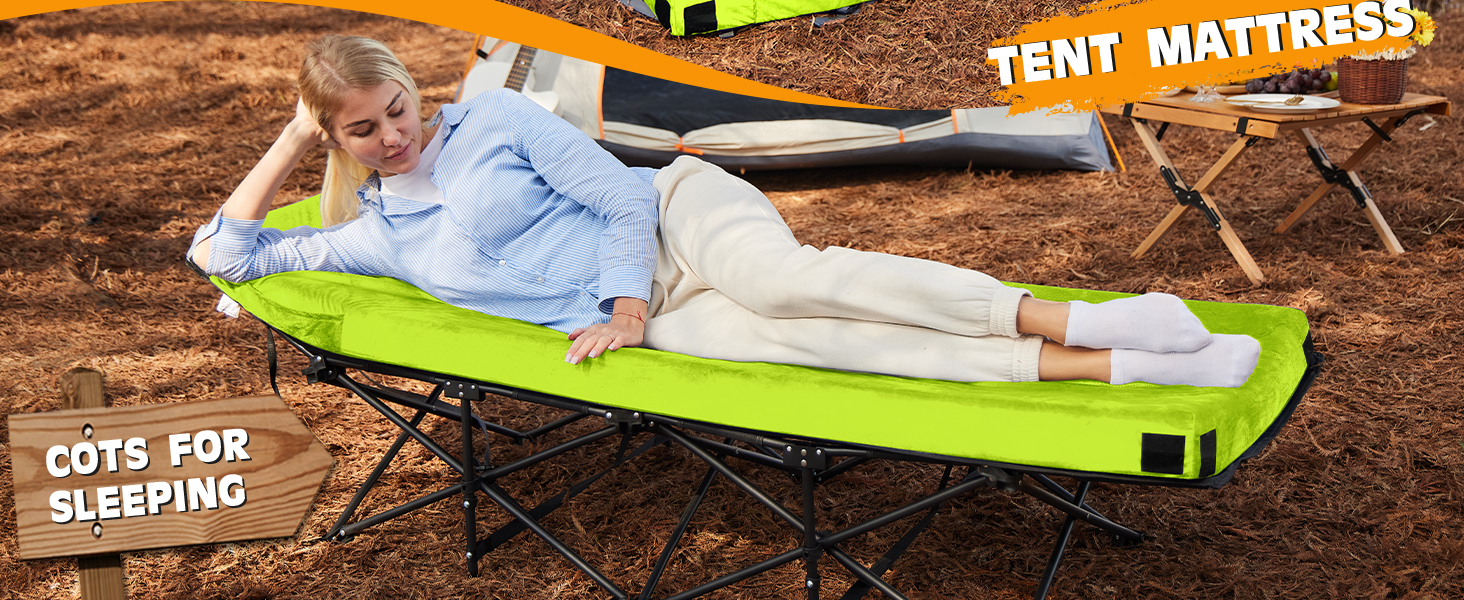
Last summer, I almost ruined our family camping trip with a $40 air mattress.
We were driving through Colorado, camping at three different spots over ten days. I bought what I thought was a “premium” air mattress — thick PVC, built-in pump, the works. It took me 15 minutes to inflate with a hand pump (the electric one died on the first night), and by midnight, I was sleeping on what felt like a deflating balloon.
Every time my wife rolled over, the whole mattress wobbled like a waterbed. By 3 AM, I was cold — the air inside the mattress was circulating, pulling heat away from my body. I woke up with a backache that lasted three days.
The next morning, I saw my neighbor at the campsite unrolling something that looked suspiciously like a mattress from a bedroom. “Memory foam,” he said casually. “Best camping investment I ever made.”
I ordered one that day. That was two years ago, and I haven’t touched an air mattress since.
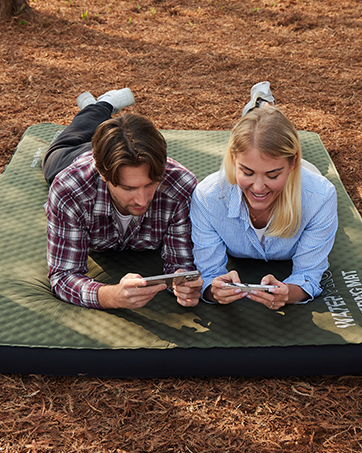
At a Glance: Memory Foam vs Air Mattress
Before I dive into the details, here’s the quick comparison:
| Feature | CYMULA Memory Foam | Traditional Air Mattress |
|---|---|---|
| Price | ~$70 | ~$30-50 |
| Comfort | ⭐⭐⭐⭐⭐ Home-like | ⭐⭐⭐ Bouncy |
| Setup Time | 10 seconds | 10-20 minutes |
| Puncture Risk | None ✅ | High ❌ |
| Insulation | Excellent | Poor |
| Weight | 9.5 lbs | 3-5 lbs |
| Storage Size | Larger | Compact |
| Durability | 5+ years | 1-2 years |
| Best For | Car camping, guests | Backpacking, budget |
Bottom line: If you’re car camping and comfort matters, memory foam wins hands down. But it comes with trade-offs in weight and size.
The Real Difference: Memory Foam vs Air Mattress
This is the section you won’t find in product listings. Let me break down why these two sleeping surfaces are fundamentally different.
Comfort: Night and Day
Air Mattress Problems:
- Feels like sleeping on a balloon
- Bounces when you move
- Air circulates inside (cold drafts)
- Pressure points aren’t distributed
- The “sinking” feeling in the middle
Memory Foam Advantages:
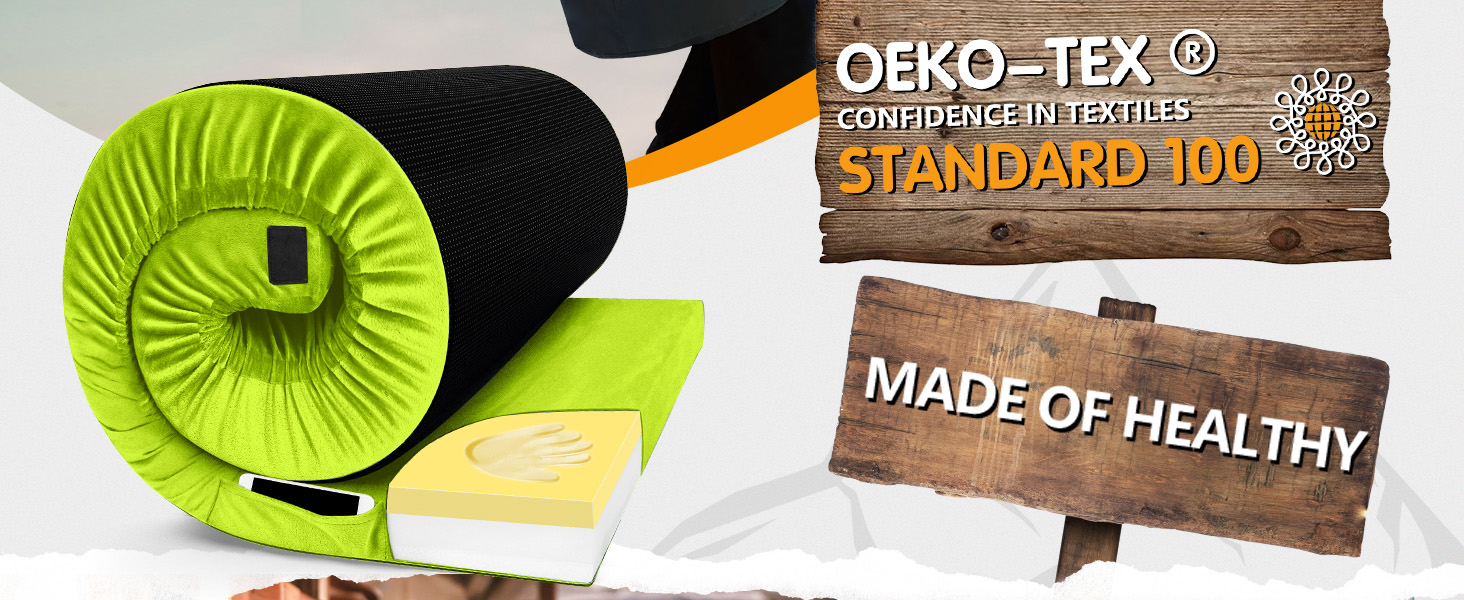
- Conforms to your body shape
- Distributes weight evenly
- No bouncing or wobbling
- Feels like your bed at home
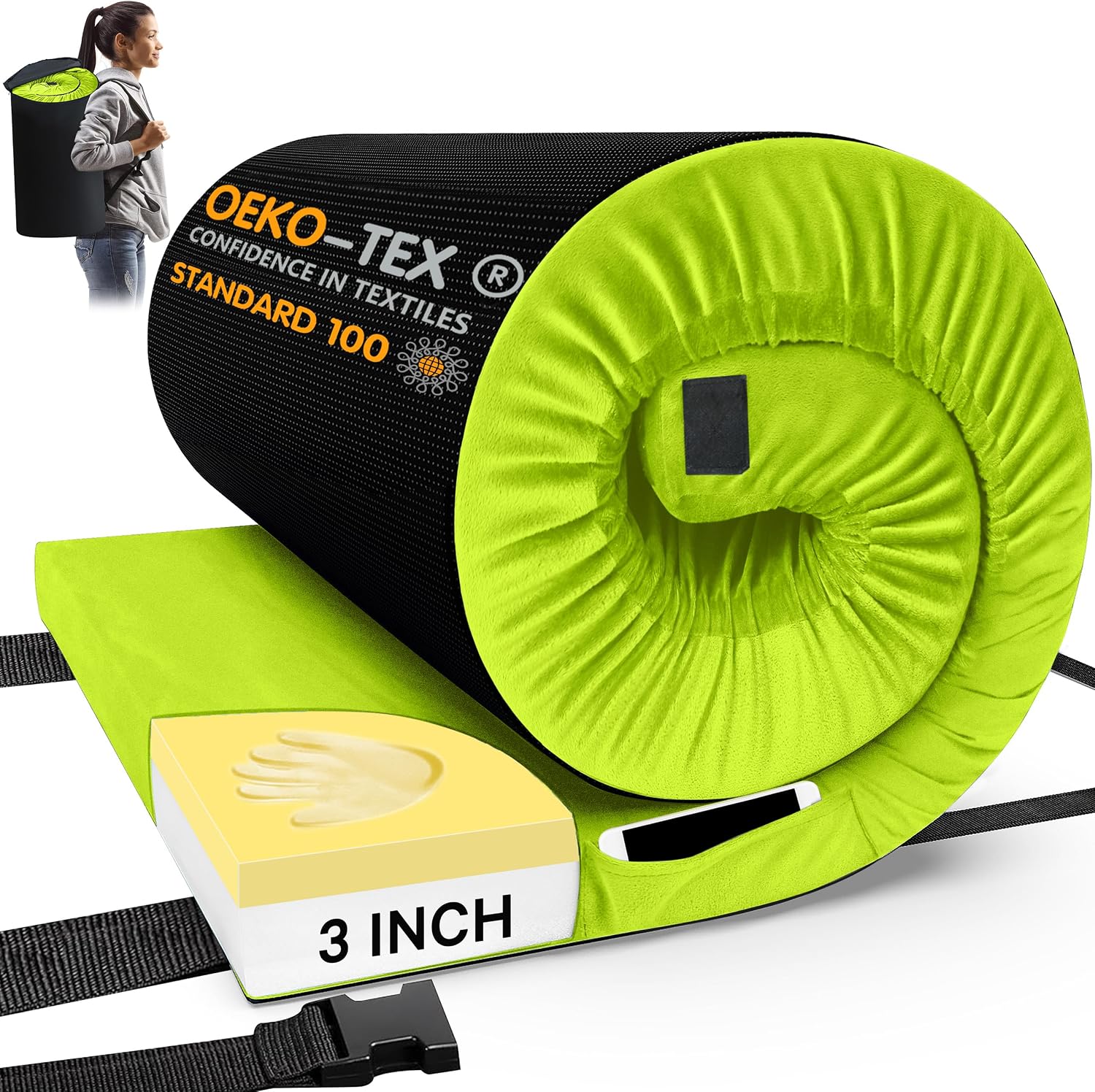
- 3 inches of cushioning between you and the ground
One reviewer nailed it: “I did not realize I was on a cot. It was that comfortable.”
The Cold Air Problem (This Matters!)
Here’s something most campers don’t realize: air mattresses make you cold.
When you lie on an air mattress, your body heat warms the air inside. That warm air circulates, carrying your heat away. Then cold air from the bottom replaces it. It’s like sleeping on a giant fan blowing cold air at you.
Memory foam is the opposite. The foam itself is an insulator. It traps your body heat, creating a warm barrier between you and the cold ground. No air circulation, no cold drafts.
User review: “I was in Big Bear, CA, and the nights got down to the 40s… I was even too hot and had to open the sleeping bag. No cold drafts like you get with an air mattress.”
Durability: One Investment vs Constant Replacement
Air Mattress Timeline:
- Month 1: Works great
- Month 3: Small leak develops
- Month 6: Patches everywhere
- Year 1: Throw it away, buy another
Memory Foam Timeline:
- Year 1: Still comfortable
- Year 3: Still comfortable
- Year 5: Still comfortable
- Year 7: Maybe time for a new one
The math is simple: spend $40 on air mattresses every year, or $70 once on memory foam that lasts 5+ years.
What Sellers Won’t Tell You
Truth #1: Size Matters More Than You Think
The biggest mistake people make is buying the wrong size. Too small, and your body hangs off the edge. Too big, and it won’t fit in your car or tent.
Size Guide:
- Twin (75x30”): Solo campers, fits most tents
- Twin XL (80x38”): Taller individuals
- Full (54x75”): Couples who don’t mind cozy
- Queen (60x80”): Couples who want space
Pro tip: Measure your tent floor AND your car trunk before ordering. This mattress is bulky when rolled up.
Truth #2: It Needs Time to Recover
When you unbox this mattress, it won’t look like the pictures. It’s been vacuum-sealed and compressed for shipping. You need to let it sit for 24-72 hours to fully expand.
Don’t panic if it looks thin at first. Give it time. By day two, it should be back to its full 3-inch thickness.
Truth #3: Weight Is the Real Trade-At 9.5 pounds, this is NOT lightweight. If you’re backpacking, forget it. This is strictly for car camping where weight doesn’t matter.
But here’s the thing: for car camping, those extra pounds don’t matter. You’re already carrying coolers, chairs, firewood. What’s 9.5 more pounds for the best sleep of your camping life?
What It Actually Does Well
1. The Comfort is Real
This isn’t marketing speak. Memory foam genuinely feels like sleeping on a real mattress. The 3-inch thickness is enough to cushion you from rocks, roots, and uneven ground.
User review: “I slept like a champ on this pad for 3 nights camping on uneven ground w/o any neck or back pain.”
2. Setup Takes 10 Seconds
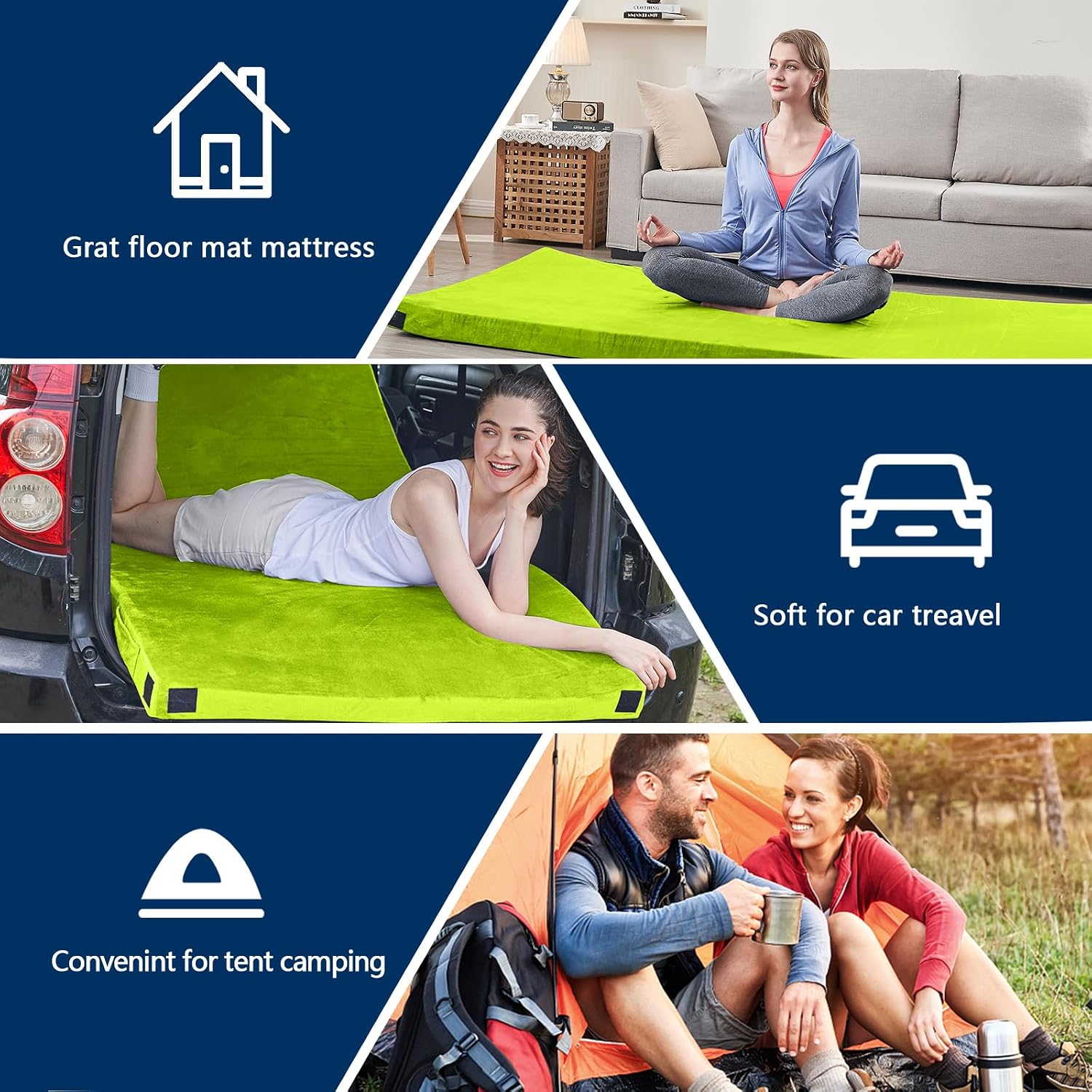
Unroll it. Done. No pumps, no inflation, no waiting. When you’re tired after a day of hiking, this matters more than you think.
3. No Puncture Nightmares
I’ve had air mattresses pop in the middle of the night. The panic of hearing that “pssssshhh” sound and knowing you’re about to sleep on the ground? Gone with memory foam. It can’t pop.
4. The Non-Slip Bottom Works
The grippy dots on the bottom actually grip. On a cot, on a tent floor, on a hardwood floor — it stays put. No more sliding around at 2 AM.
Real Camping Tips: Getting the Most From Your Memory Foam Mattress
Tip 1: Let It Breathe
After each trip, unroll the mattress at home and let it air out for a day. This prevents moisture buildup and keeps the foam fresh.
Tip 2: Use a Fitted Sheet
A cheap fitted sheet protects the mattress from dirt, sweat, and spills. It’s also more comfortable than sleeping directly on the fleece cover. Plus, it’s machine washable.
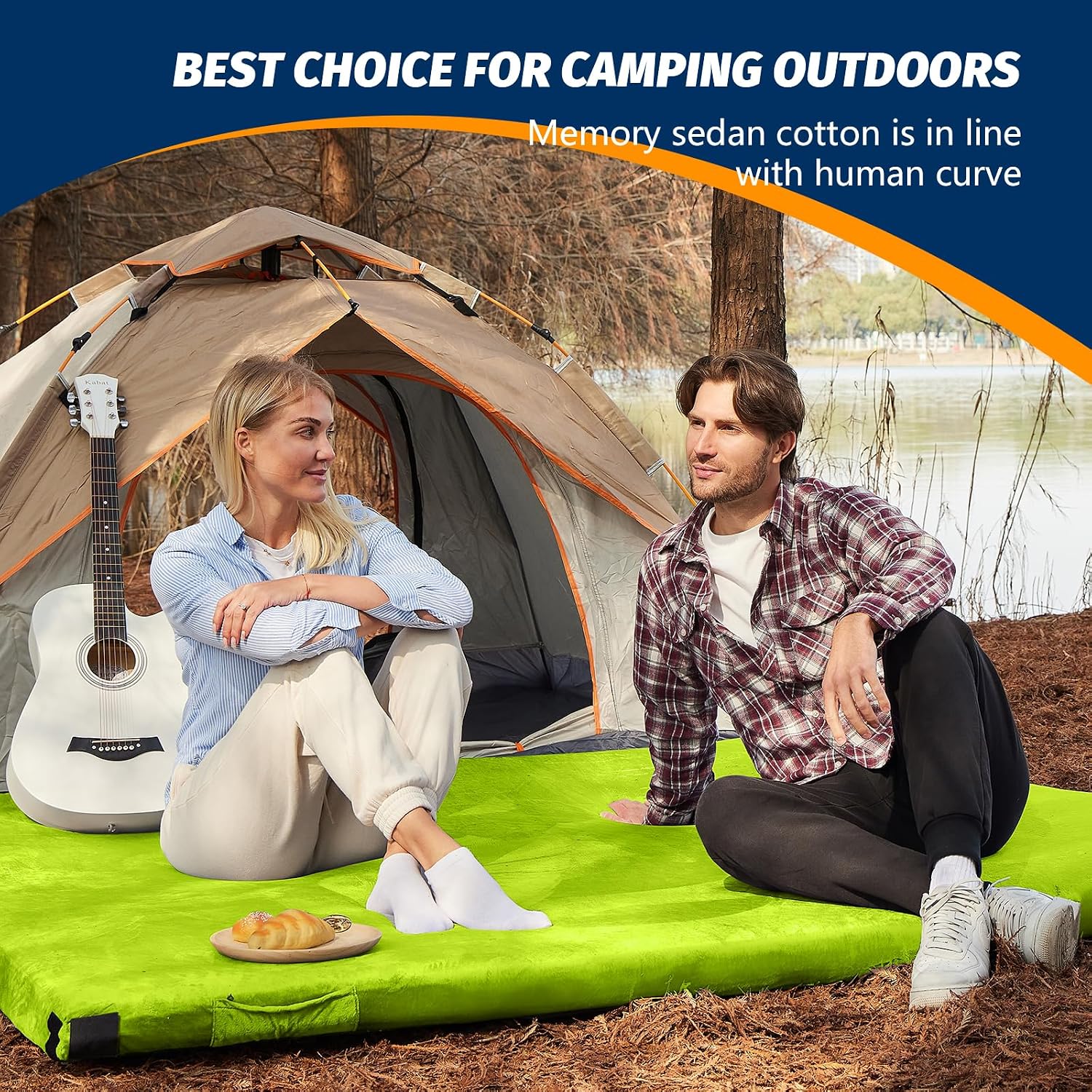
Tip 3: Car Camping Setup
For SUV or truck owners:
- Fold down the back seats
- Lay the mattress flat
- Add a fitted sheet and pillow
- You now have a bed in your car
This is perfect for:
- Road trips when hotels are too expensive
- Festival camping
- Emergency sleeping situations
- Surprising your kids with a “car sleepover”
Tip 4: Guest Room Backup
Don’t have a guest room? This mattress turns any floor into a comfortable bed. Keep it rolled up in the closet, pull it out when guests visit. They’ll sleep better than on some actual beds.
Tip 5: Cleaning Made Easy
- Fleece cover: Machine wash cold, gentle cycle
- Foam interior: Wipe with damp cloth
- Never: Soak or submerge the foam
- Drying: Air dry only (no direct sunlight)
Three Stories From My Memory Foam Adventures
Story 1: The Convert
My buddy Mike was a die-hard air mattress guy. “They’re lighter, cheaper, and easier to pack,” he argued every time I mentioned memory foam.
Last month, we camped together in Utah. He brought his air mattress; I brought my memory foam. By 2 AM, I heard him unrolling his gear. By 3 AM, he was asleep on the ground next to his deflated air mattress.
The next morning, he asked for the Amazon link.
Story 2: The Car Bedroom
We drove from Denver to Moab — six hours with three kids. By hour four, everyone was cranky. We pulled over at a rest stop, I folded down the back seats, and the kids napped on the memory foam mattress for an hour.
When we arrived at the campsite, they were energized and ready to explore. That nap probably saved our trip.
Story 3: The Unexpected Use
My mother-in-law visited last winter. We don’t have a guest room, so I set up the memory foam mattress in the living room. She slept there for three nights and said it was more comfortable than her bed at home.
She still talks about it. I’m thinking of getting her one for Christmas.

Who Should Buy This Mattress?
Buy It If:
✅ You car camp regularly (not backpacking) ✅ Comfort is a priority ✅ You have an SUV or truck ✅ You want a guest bed solution ✅ You’re tired of air mattresses ✅ You camp in cold weather
Skip It If:
❌ You backpack (too heavy) ❌ You have a small car ❌ Budget is very tight ❌ You only camp once a year ❌ Weight is a concern
Frequently Asked Questions
Q: Will I get hot sleeping on memory foam?
A: Memory foam breathes better than you’d think. In hot weather, you might want a thin sheet between you and the mattress. In cold weather, the insulation is actually a benefit — no cold air drafts like with air mattresses.
Q: Is 9.5 pounds really that heavy?
A: For backpacking, yes. For car camping, no. You’re already carrying coolers, chairs, and gear. This mattress weighs about the same as a sleeping bag and pad combo, but is far more comfortable.
Q: How long does it last?
A: With proper care, 5-7 years minimum. Memory foam doesn’t deflate, puncture, or lose shape like air mattresses. It’s a long-term investment.
Q: Can I use it in my car?
A: Absolutely. SUVs and trucks are perfect. Fold down the back seats, lay the mattress flat, and you have a car bedroom. Measure your trunk first to make sure it fits.
Q: What size should I get?
A: For solo camping: Twin (75x30”). For couples: Full (54x75”) or Queen (60x80”). Always measure your tent and car trunk before ordering.
Q: Do I need a sheet?
A: Not required, but recommended. A fitted sheet protects the mattress, is easier to wash, and feels more comfortable against your skin.
The Verdict: Is It Worth the Upgrade?
After two years of using this memory foam mattress, here’s my honest assessment:
It’s the best camping comfort investment you can make — if you car camp.
The comfort is genuinely home-like. No more waking up on the ground, no more air mattress deflations, no more cold drafts. It’s the difference between “surviving” camping and actually enjoying it.
The downsides are real: it’s heavy (9.5 lbs), bulky when rolled up, and costs more upfront. But for car camping where weight doesn’t matter, those trade-offs are worth it.
My rating: 4.5/5 stars
- Comfort: ⭐⭐⭐⭐⭐ (5/5)
- Durability: ⭐⭐⭐⭐⭐ (5/5)
- Portability: ⭐⭐⭐ (3/5)
- Value: ⭐⭐⭐⭐ (4/5)
- Warmth: ⭐⭐⭐⭐⭐ (5/5)
The bottom line: If you’re tired of air mattresses and want to sleep comfortably while camping, this is the answer. It’s not cheap, and it’s not lightweight — but it’s the closest thing to bringing your bed outdoors.
Now if you’ll excuse me, I need to convince my wife we need a Queen size for our next trip.
YouTube: See It in Action
Disclosure: This post contains affiliate links. If you purchase through these links, we may earn a commission at no additional cost to you. We only recommend products we’ve personally tested and trust.